Tag: Benefit Corporation

What it means to become a Benefit Corporation or Benefit Corporation for Good, and how this legal structure holds businesses accountable to people, planet, and profit.

  • Embodying B Corp Certification: The Next Economy, Financial Gravity, and Mission-Locked Business with Ryan Honeyman of Lift Economy

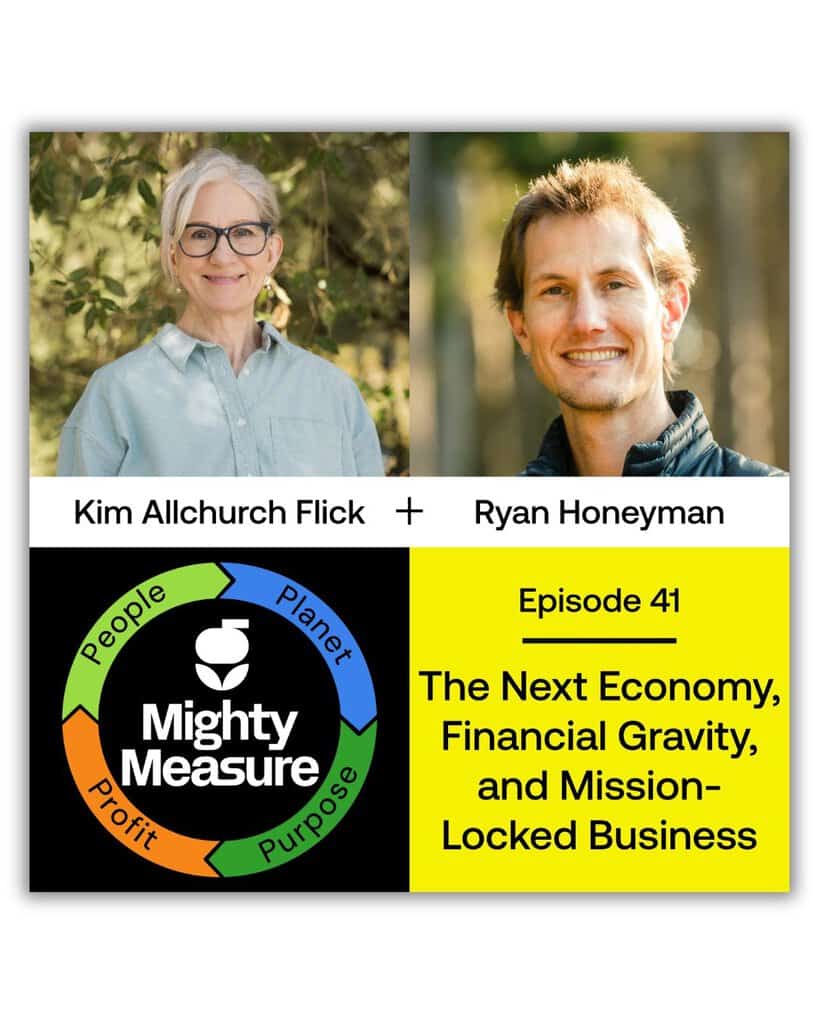
    Embodying B Corp Certification: The Next Economy, Financial Gravity, and Mission-Locked Business with Ryan Honeyman of Lift Economy

    Ryan Honeyman of Lift Economy, co-author of the B Corp Handbook, about “embodying” B Corp certification and aligning stated values with lived leadership and culture – joins Kim Allchurch Flick. 

    Ryan shares his path from criminal-justice-focused psychology work to sustainability consulting and early B Corp advising beginning around 2010, helping over 100 companies certify and recertify. 

    They discuss takeaways from the B Corp Champions Retreat, including shifting from anxiety about new standards to implementation and the value of in-person community. 

    Ryan explains Lift Economy’s broader “next economy” work (worker ownership, racial equity, regenerative agriculture) and the Next Economy MBA, which has reached 800 participants across 16 cohorts. He identifies “financial gravity” as a key barrier and references Eric Ries’ forthcoming book Incorruptible on mission-locking structures. 

    Listen Now

    Time Stamps

    00:00 Welcome and Guest Intro

    01:13 Champions Retreat Takeaways

    02:38 Ryan’s Origin Story

    04:43 Discovering B Corp Early

    07:36 Why Lift Economy

    09:34 Next Economy MBA Explained

    10:53 Community Shifts and Principles

    13:37 Barriers and Financial Gravity

    17:32 Optimism and AI Ownership

    21:56 Equity Focus and New Standards

    24:16 Meeting Companies Where They Are

    25:10 Consumer Demand for Values

    26:17 Real World Barriers and Hope

    27:28 Champions Retreat Strategy

    30:17 Where to Find the Work

    31:32 B Corp Paradox and Standards

    34:54 Defining Social Enterprise

    38:17 Marketing Claims and Verification

    39:29 Future of the Movement

    42:24 Dinner Table Dream Guests

    44:41 Closing Thanks and Sign Off

    Kim Allchurch Flick: Hello everyone. Welcome to the Mighty Measure Podcast. This is Kim Allchurch Flick and I am so excited today to be with Ryan Honeyman. Ryan Honeyman is a partner and worker owner at Lift Economy and co-author of the B Corp Handbook. The next economy, MBA, both published by Barra Kohler. For more than 15 years, Ryan has helped over a hundred companies, including Patagonia, Allbirds, Ben and Jerry’s, and Thrive Market become B, certified B Corporations, and Recertify under evolving standards and use certification as a catalyst for deeper organizational change.

    In recent years, his work has expanded beyond standards and strategy into leadership, embodiment, and culture. Ryan works in long-term advisory and coaching relationships with founders, CEOs and leadership teams to address the gap between stated values and lived behavior, helping leaders build organizations where governance, decision making and culture actually reflect their social and environmental commitments.

    Today we’re gonna talk about embodying B Corps certification. Rain. Welcome. It is a joy to have you here in the room. 

    Ryan Honeyman: Thanks so much for having me. 

    Kim Allchurch Flick: Yes. So we’ve known each other through B Corp for a few years, but never met until last week at the Champions Retreat in Wisconsin. That was a delight. It was amazing.

    And I learned more than I’ve ever known before, and I feel like I’m pretty up to date with some things. But what did you feel about that event? 

    Ryan Honeyman: Yeah and thanks, thanks for having me on. I think the. The things that stood out about the Champions Retreat were, a lot of the B Court movement.

    I think in the, over the past few years we’ve been feeling a little bit stressed or anxious about the new standards and this, the content of this, champions Retreat was a lot on the new standards and luckily I do feel like people are moving from fear and an anxiety and. Feeling stuck to, okay we’re actually doing this and now let’s move into implementation.

    So it was nice to feel a little bit more of the sort of movement towards. Getting the work done and a little less of the stalling out around the new standards, so that, that stood out to me. And similar to you your opening comments I really found a lot of value. I’m reminded of how valuable it is to be in person with folks.

    I, I often forget that that is so amazing. And so that was also replenishing for me to be around other humans.

    Kim Allchurch Flick: Thank you so much for that. What, before this, what was your life journey and inspirations to this point? 

    Ryan Honeyman: Yeah, so I started out wanting to reform the criminal justice system.

    So I was into psychology and the psychological effects of incarceration. My, one of the professors I had in college was leading the Stanford Prison Experiment for folks who randomly know about that. But anyways I was doing this. Sort of, reforming criminal justice approach. And one of the things I did was work at a, in San Francisco at San Francisco General Hospital, had a mental health unit for emotionally troubled kids.

    Folks who were systems impacted. And that was both very. Difficult, very fulfilling. It was like, wow, this is really in the trenches. This isn’t just writing papers, in college or academia is like what? Writing papers on things. This was like one-on-one interventions and when working with the kids, but it was also so incredibly hard that I was like, wow I’m burning out.

    This is, it had been I think two years of doing that work and it was really not, it was just so hard. And also I felt like the. Where I was intervening with, kids that were already 13 to 18 had already been through so much trauma that it was feeling like I was catching folks, later in the path.

    And so what happened is that my. Brother had studied environmental studies in college and he had some of these early sustainability books. I think things like natural Capitalism, I dunno if you know, readers May, listeners may have heard some of these. Cradle to Cradle, which was a funny book, but it was like made outta plastic and it was all about remaking things and and then, some other books around about Paul Hawkin and I read these books. This is around 2010, and I said, wow, this is pretty cool. I could be, I would much rather do this green thing than what I was doing, before. And so I convinced the. The executive director of this nonprofit I was working at to allow me to be a sustainability person, sustainability manager for a year.

    So I was at the nonprofit working, but I was more looking at, lighting and, energy efficiency and water and waste and how to, make sure the kids were getting healthy food, et cetera. And then at the end of that, he the executive director was like, we can’t really keep you as a sustainability person, so what do you wanna do?

    And I was like I think I’m gonna just start a solo consulting business to work, with a number of companies around sustainability. And this is pretty early in the B Corp movement. And so as I was starting this solo consulting business by fall of 2010, I had found out about B Corps and was like, oh, this is cool because this is, all this social and environmental things.

    In one wrapped up in one thing, was the legal structure, but also the certification. And so I said, instead of sustainability more broadly, what if I just talk to companies about B Corp as a way to, to become more, socially and environmentally conscious and, so I started doing that.

    IB lab had just opened an office in San Francisco around I think 2010 or 2011. And I met folks know Andy Fife from B Lab. He’s one of the. He’s back and he was an intern. It was funny we met pretty early and yeah, I started helping companies with B Corp certification and that was the good old days when the Bay Area, we had I think there was 200 B Corp and it was like 20%, I think there was a thousand in the world and there was 20% of all the B Corps were in the Bay Area.

    But now that’s those are, those days are over. The other, I think Portland’s probably ahead of us and, and definitely places like the UK are head of the United States now. So yeah, that was the history and how I got into B Corp work. 

    Kim Allchurch Flick: That’s fabulous. And I was listening to the dates ’cause B Corp, as we know, Dar B Lab just turned 20 years old.

    So you’ve been doing this for 16 years, so you were really on the cutting edge. And I got into it through Portland State University kind of sideways because I’d been laid off and had to find something to do. But my values came with me and that was around 2013 and it felt like there weren’t that many people out there doing what we do.

    And now there’s a lot. Yeah. But progress is really amazing. But you’re definitely one of the headliners for the B Corps movement and have always been there. I think to your question, Portland is above a hundred B cores, the state of Oregon. Just slightly above. We’re like getting toward 1 30, 1 40.

    I don’t know the exact number, but it is growing and it’s so fun to, to watch and be a sideliner of, as well as doing the work with, so how has the lift economy created and what are the solutions that you’ve been bringing about? 

    Ryan Honeyman: Yeah, so you know, one of the things that led me to lift economy, so I was a solo practitioner.

    From 2010 to 2014 actually till 2016 technically, but I met Kevin Bayou and Sean Berry, my current business partners in 2014 or so. And what I was intrigued by, so they had started Lyft. As a company to redefine success, basically to create an economy that works for the benefit of all life.

    And it felt like they were talking about things that the B Court movement wasn’t quite talking about yet. Things like, worker ownership or. Racial equity and, also regenerative agriculture, really getting into like carbon sequestering and how do you manage land in ways that yeah.

    Is beneficial for the climate. And so I was like, wow, this is what they’re talking about is are some things that. Pretty far past what my, at the time in 2014, I was, I thought B Corps were like the highest you could go. I was like, wow, this is the top of impact. And there are some B Corps that really live into that.

    But also, there’s, the movement has some large, larger companies and large businesses that are not necessarily looking at, permaculture and regenerative ag and worker ownership. And so I was intrigued and I started to work with Kevin. On a few projects where I would do the B Corp side, and then he would help with the vision and culture and strategy around like, how do you change your business to actually be more regenerative or more aligned with all life.

    And I said maybe I should just stop being a solo consultant and work with Lyft Economy to be, a team member there so that I can handle the B Corp component of the business and still participate in some of the other pieces. And so one of the things that. Yeah, so Lyft economy more broadly so we do B Corp certification.

    We do some of the nuts and bolts consulting for vision, culture, strategy, operations, but we also have some other things that are pretty cool, like the next economy MBA, which is a, an online MBA course that we started in 2018. And we just put it out there as this. Idea of what if people wanna learn business, but they don’t wanna do a traditional MBA and they wanna learn business a different way.

    And so we had worked with 300 social enterprises more customized to help them with their business. And so we took some of the learnings from that and some of those permaculture principles and other ideas and put it into this curriculum. And we had 50 people sign up in the first year.

    Of this online course, and that was the first cohort. And now we’re actually, we’re just launched cohort 16. And so we’ve had 800 people take the next economy MBA over the last, eight or nine years. And the. Cohort 17 is gonna be launching in the fall. I think that’s September. And yeah, those are some of the different things we do as well as our other podcast, next Economy Now and The Beyond The Be Podcast.

    Kim Allchurch Flick: So I’m going to switch my question in order a little bit because it leads me to, you’re getting to know so many people who are going through this program and also working with companies. What are the communities doing in response and what is, what do you see in your community as a growing worldview about these topics that you’re teaching?

    Ryan Honeyman: Yeah. I think the cool thing about the MBA is we go into some of the first six sessions are really like, let. Define the problem set and some of the, and some of the solutions. So it’s like really getting clear with folks about why we’re in the situation. We are, like, one of the things we talk about is just we call it the business as usual economy versus the next economy.

    So business as usual, we don’t really use capitalism or those things. ’cause there’s, people often have strong views like capitalism is this, or socialism is that. So we just say business as usual versus the next economy. And the business as usual is constant pressure to grow, constant, make money extraction at all costs.

    It’s the sort of standard operating model for business that we all know about in the B Corp world, in this impact world. And what we do is take folks through, like here’s some of the basic principles of what’s happening and then what are some next economy principles that could help you change your company.

    So things like defaulting to open source, something that we don’t really do in the B Corp world, which is kind of cool. Like I feel like it could be more open source. Components of things we do. Definitely shared ownership democratizing governance not just ownership, but also how do you run the company and how do you create organizations that are, vibrant and can operate more on a flat model.

    And, talk about regenerative operations. Talk about deliberately developmental. So it’s like how are you developing people? And we go through all these components and then set people up for then. Okay, let’s now go through specifically how do you do marketing from a next economy lens?

    How do you do sales? How do you do culture? How do you do, all of these things? And it’s been great ’cause there’s been a lot of B Corps who’ve come through. A lot of B Lab staff actually have taken the course and I think the way that people are responding in their communities is to say.

    Hey I’m either starting a new business and I want to integrate some of these principles or ideas from the start, or I’m within an existing company. There’s also folks who work at B Corps, maybe even large B Corps, who are like, I’m not gonna start something, but how do I bring some of these principles within my organization?

    And, yeah, people are doing different things. It’s just depends on what their role is, but it’s it’s been a vibrant community and people are building towards something that goes beyond even what B Corp can offer. 

    Kim Allchurch Flick: Yes. Thank you. This is so inspiring. And what, along the way and currently are some obstacles and challenges?

    Ryan Honeyman: Yes. Some of the obstacles and challenges and know I can go in a little bit too. One of the things that I have learned recently is there’s a author named Eric Rees who wrote the book, the Lean Startup many years ago in 2011, and he became very famous for that because he was all, the basic theory was like, how do you create the minimum at MVP, which is a minimum viable product, which is basically tried something, test it, and then iterate instead of doing a lot of work to create these fully fleshed out things.

    He’s been. He started something called the Long-Term Stock Exchange, which is also a, for publicly traded companies who want to go public but associate their their going public with long-term investors. And so they’ve got a couple companies, I think thread up is one and Asana, and there’s another one.

    So it’s in the earlier stages. But the reason I mention Eric is one of the main barriers. For a lot of us in the mission-driven world is what he calls Financial Gravity, which is like the business as usual idea that we talk about, but financial Gravity is just that. Ultimately everything comes down to how are you going to, how.

    Make money and protect against the pressures of, what it means to run a business which is usually to maximize shareholder value. And so he talks about benefit corporations in there, but he also talks about some of the things that benefit corporations are one aspect of this.

    Sort of, he calls it like creating armor for your company. Like benefit corporations are one thing, but you can also do things with the board of directors where you have your board take an oath to like always uphold the mission, which is pretty important. You can also create. He calls it spiritual holding companies, which is like a nonprofit, which owns a a for-profit entity.

    There’s also purpose trust, like Patagonia with their purpose trust. I think Tony Choon also has a trust ownership structure. So the, I think some of the barriers to this expansion of the B Court movement or the next economy has been just, the financial gravity of always feeling pressure to do more with money.

    And so what he’s been able to do is to create this, his book is called Incorruptible that’s coming out and it’s basically how do you structure your company not just as a benefit corporation, but other unique models that will really mission lock your company for the long time and help us better prevent.

    Things like what happened to, to Allbirds or others who were, Allbirds was a benefit corporation and a certified B Corp, but they still felt that pressure to expand and grow and they weren’t even, they were never actually profitable and it led partially to their unraveling of their company and like an AI company now, which is crazy.

    Yeah, there’s a lot of, there’s a lot of barriers and I think the Eric’s book, incorruptible is a great resource for folks 

    Kim Allchurch Flick: and in a timely fashion. As we’re recording this in spring of 2026, I just saw your newsletter come out this morning with that book mentioned, so we’ll put that in the show notes too.

    It’s great that people are thinking along those lines in a pragmatic fashion. The what? Businesses, but not the old ways where it used to be the corporate world that I came from, where you live and die by your quarterly numbers and. The stress level is just beyond, but it’s all for the stakeholders and it’s like, what have you done for me lately?

    Ryan Honeyman: Yeah. 

    Kim Allchurch Flick: And so I’d love the way you’re talking about that. I’m gonna get the book Incorruptible and I’ve read your books as well. Also wanna mention to the audience that the B Corps handbook is going into version three, so keep our eyes out for that. Really, really interesting topics. All of this what makes you optimistic?

    Ryan Honeyman: I think going to something like the Champions Retreat and just. Getting that sort of feel like the live contact with other people and the sort of inspiration from being around other B Corps. That’s, that makes me optimistic. I’ve got a, an 11-year-old and an eight 11-year-old daughter and an 8-year-old son who are like very cute and.

    Joyful, but also pushing my daughter’s pushing into tween zone, she’s still, she’s very sweet and so I just, I’m optimistic because I see it’s just so fun to be with them and to parent them and things like that. And this is kind of a weird way to go, but I will say that maybe 12 to 24 months ago I was.

    Much more pessimistic about all the AI stuff. With I, I still know that it’s like using a ton of energy and it’s, potentially changing a lot of things for the worse. And at the same time, like I just am. I feel like I’m more, it’s more like it’s here. And I think maybe a year or two ago it was like, wait, we should stop it.

    And slow down and things like that. But now it’s just it’s here. And then, so how are we working with it and using it in ways that are actually beneficial to folks? And creating, creating an economy that works for all. My, my business owner, my business partner Kevin, talks about, with ai you need to pair it with inclusive ownership. The example he uses was in the seventies when, Ford Motor Company would come in with robots and say, we’re gonna lay off, 5,000 employees because we’re gonna have robots build the cars.

    If you are just an employee of Ford Motor Company, you’re like, this is terrible. You’re gonna fight it as hard as you can. You’re gonna push back. If you’re a co-owner of Ford Motor Company, like if there was broad based ownership of Ford or something and you’re, the robots came in, you’re like. I’m an owner of Ford, and so the profits and benefits of these robots coming in is actually gonna make my work easier.

    Like I don’t have to, it’s not as unsafe as maybe it was and blah, blah, blah. And so that changes the dynamic of technology advancing because you’re participating in the upside. And so Kevin’s thing with AI is like, how do we make sure that the. The, there’s more broad based ownership of AI models and the sort of profits that come because then the sort of wealth creation and benefits go to the people.

    All people as opposed to it being a, just more financial gravity and shareholder primacy and going to these super rich billionaires. So that, that makes me optimistic too, about that possibility. 

    Kim Allchurch Flick: It’s interesting you brought that up because a AI is still something I find hard to define.

    Because of so many things. I use it a little bit to help correct my grammar. That’s way different than flying airplanes and a lot of other things that it does. But I love how you phrased that. And also anytime there’s change and people worry about losing jobs, you mentioned the robots. I said, yeah, but somebody’s gotta build the robots.

    So that’s creating jobs. So there, there also seems to be that along the way and we. Now we have more and more B Corps. So also looking for who are those innovators that are doing some really amazing things with good values. And I think that’s why I find optimism is in the innovators. And there’s one I’d love to support.

    It’s called Virtue Lab. That’s mostly Cleantech. Not every company’s gonna make it from the get go, particularly when they’re. Inventing something that has to have prototypes. It takes a lot of money and research. Often it cannot prove out, so some companies never get off the ground. But the ones that do can do some amazing things, and maybe AI is helping them go faster.

    I think AI can help medical research be clearer and go faster. So there’s so many possibilities, but I’ve gotta admit, I can’t understand. That the two little letters that are bigger than me. Yeah. And then there’s the energy concerns as well that come up with that. But I’m glad you brought it up because this is real conversation in real time.

    It’s talking with you is the other thing that comes to mind is we work in a world where we’re working with businesses and each one of those businesses has a silo or a niche. Or something that they’re very, very focused on. And we get to see a global view of all that. But I love that you brought up really specifics that people are focusing on, like permaculture, regenerative, ag regenerative business, how to do things better for people, employees doing it with equity and not backing away from that.

    And I think one of the things I really appreciated right from the get go at Champions retreat was they put equity and current affairs on the table and said, we are here. To talk about it, to do the right things, not shy away from it and stand for our values. And that made me feel really optimistic because it’s the not shying away from it part, nobody tread lightly.

    But it wasn’t combative. It wasn’t anything that was anything. But like Michael said, this is about all people. What else would you like to share? What else is on your mind about the world you work in and what you’d like to do?

    Ryan Honeyman: I would be curious, maybe we could talk a little more about. What you’re sensing from your, we could talk about the conversations around B Corp, did you find folks, in your conversations, did you find people still feeling overwhelmed by the new standards or were you finding people get grasping it a little more?

    What? What did you see from your conversations at the Champion retreat? 

    Kim Allchurch Flick: I think it’s twofold. One is people who haven’t looked at them yet still have trepidation. And the other discussions I’ve had with the organization that I’m in, in Oregon, the on purpose Oregon, which used to be local PDX.

    Also talking about how it almost seems like the companies that have recently recertified or certified and still have some time are postponing. So there’s that gap too. I, what I did is, as you did, worked with B Lab along the way. So the last two years have been aware enough. My company just recertified in November and I just jumped right into the new standards.

    But I’m plotting along and taking a bit at a time as I do other things in life as well. I’m a visual learner. I really, really like it. I think another thing that I’m seeing that. For me, and this is my world of view about it, is I wanna meet people where they are. And I love B Corps. I’ll always say that.

    Not every company wants to become a B Corps, so how can I help other innovations have come along? B Corps is definitely the, the stake in the ground 20 years plus. And yet there’s benefit Corporations for Good, which was created seven years ago, almost eight now, and it’s a lighter version. It’s also more accessible to companies at a lower price point.

    And then there’s the purchasing with purpose movement and people in planet first, and somewhere in there there’s something for almost everybody who’s mission driven. The other thing I never forget is Nielsen’s data from, one is from 2014. One’s from 2017, I think, and I’m always paraphrasing, but it’s that globally, 66%.

    Of consumers are willing to pay more for products and services when they know a company is sustainable and has good values. So there’s a lot of interpretation in there. The world sustainability can mean a hundred different things to a hundred different people. It’s kind of overused term, but knowing that people are looking.

    That gives me optimism. So how can they find us? And all these B cores, that’s to me is the missing link. And it comes with the marketing, the expression, all of that. And then the other study was about millennials. Same kind of questions, but they were in the 73%. And I also believe that as we’re growing and innovating and becoming more prolific as B Corps and mission driven companies, that the price point doesn’t always have to be higher.

    That maybe even if they’re willing to pay more. They can also know that they’re gonna pay the same to transition and find a company that has good values. So that’s what I’ve been operating with. And, but also being really realistic. For instance, there’s a couple of companies that really wanted to strive for B Corps.

    They’re also consumer products. They also import, and guess what happened? The tariffs went from 15% to 50, and the last thing this business owner can do is become a B Corps. And she’s just struggling to survive right now. So that’s the worldview. I really hope that through this year that more opportunities arise for people instead of fewer and that they find their way.

    But I do think the possibilities are endless, and I love seeing that there are people in agriculture. That are getting certifications, like regenerate certifications, and they really know what they’re doing in that realm. And that really gives me optimism too. And there’s people in different sectors who really know what they’re doing in these realms, whether it’s energy environment, but also with equity, with hiring, with treating people well things that they’re doing in community.

    So it’s out there. 

    Ryan Honeyman: Yeah. 

    Kim Allchurch Flick: Yeah. But how do you see it? 

    Ryan Honeyman: Yeah. Yeah. I think other takeaways for me from the retreat were, it’s funny, one of my strategies. For B Corps retreats is I actually don’t go to that many formal sessions. I just more hang out in the hallways because I I tend to see a lot of people that I wanna talk to.

    And, usually at retreats it’s they’re quite heavily scheduled of you have 10 minute break and then you go into this 90 minute session, then there’s an eight minute break, and then you’re, but most of the. People, there are the people I wanna see. And yeah, I just tend to go to the hallways and also pace myself ’cause, it’s also hard to, and I’ll mention it to Karen for the feedback on the retreat, but a lot of the events also had really loud music. They’re like, and it was like hard to have communic to like communicate with folks. But yeah I think that that was a piece that, that stood out was just the sort of, the whole retreat strategy and like how do you get, go and meet the right folks and get the most out of it? For me, my retreat strategy is mostly to go to a couple sessions, but mostly hang out in the hallways just to communicate with folks.

    Kim Allchurch Flick: That’s so smart. This is my first Champions retreat and I was all in, and I did find it exhausting at the end. I also noticed the noise level like you did. I met so many new people, but it was also great to see people that I’d been on Zoom with for years and never met in person. So things of that nature I thought were, it was so interesting.

    I also made an error. I, because I needed to come home, so I had to leave before the end sessions. I also missed all the. Banter and everything at the end that was coming up in LinkedIn. I’ve seen photos of, and I said, oh, I should have not done that. So lesson learned, but I also go to really specific conferences sometimes, like one was Go Green that I haven’t heard of anymore, but Clean Tech ones that are more focused on a specific type of industry, but still doing it with values and optimism and what I see as the.

    Connectivity and how much of that champions retreat like touched on, things like that they touched on. I went to one about water. It was really interesting. Even though it may not affect me directly, the indirect knowledge is still important. So it’s, the thing about general business is we can’t always be too general.

    It’s nice to know some really deep specifics and I think Champions Retreat did touch on that as well. Yeah, absolutely. The vendor marketplace was great. It was fun. Yeah, I came home with stuff. Yeah. 

    Ryan Honeyman: Awesome. 

    Kim Allchurch Flick: Is there anything else that you’d like to add? 

    Ryan Honeyman: I. Maybe we could I’m happy to jump on the, like the dinner with the three people or like the dinner one question or something.

    Or I dunno if you had other questions as well. 

    Kim Allchurch Flick: One is, how can people reach you? And I do wanna make sure that people know that in the show notes is your books, that newsletter. Everything. So how would you refer people to reach you? Yeah, 

    Ryan Honeyman: yeah. Folks wanna reach out? I definitely would suggest folks check out the Next Economy mba.

    That’s at lyft economy.com/mba. The Lyft economy.com site has all of our. Sort of content. I’m probably, I’m most active if folks are on social, on LinkedIn. I’ve removed myself from Twitter whatever the platform is now. And I never made it to the other transition platforms like Mastodon or anything.

    And I also never really signed up for Instagram. So LinkedIn is is where folks can go if they want to connect. And. Yeah the other podcasts I mentioned, so Next Economy Now is it’s more of a broad podcast that we’ve been doing now for 10 years at Lyft. And we’ve had. I think 300 people on now.

    But it’s things like, climate activists racial and racial justice activists. Also like business leaders. Like we had the, a number of people from Patagonia on there’s one gonna be coming out. With Eric Rees on the, his new book that’s coming out soon. And so it, it ranges the gamut.

    And then our Beyond the Be podcast is more B Corp specific. We also like to get into the, so we talk about the new standards and things and developments, but there’s also the bigger juicy questions of one of the recent episodes we did was on the paradox at the heart of the B Court movement with todd Ling and Ante Kim, and if, have you heard of that? The h the Harvard Business Review article that they did? 

    Kim Allchurch Flick: No, I haven’t. I’d love to. 

    Ryan Honeyman: Yeah, so they did a an article called The Paradox of Growing as a Values LED Company and it was a Harvard Business Review article from 2024, and it was about the B Court movement and how the B Court movement has.

    Grown but not collapsed like a lot of other social movements. Famously, like there’s been a lot like Social Venture Network, which started and then is like not really as, as strong anymore. I think it’s trying to be revived, it’s a little unclear. There’s like the American Sustainable Business Network, which I think is still going, but also had merge with Social Venture Circle and the Investors Circle and so there’s been a lot of.

    Communities that have been shifting. And so their research was on B Corp and they’re trying to say, why has it lasted? And so their paradox was that B Lab has both relaxed the standards or relaxed the sort of. The requirements at times, like for example, to allow in Ben and Jerry’s in 2012, but at the same time it’s tightened the standards.

    So for example, if Ben and Jerry’s could get in 2012, but then they also required Ben and Jerry’s and other companies to have, fully transparent, like a hundred percent of their. Their B impact assessment answers are transparent and it, and you have to have a full audit of all of your answers on a much more strict frequency as opposed to the frequency for other B Corps.

    You have to have the governance, they have to examine the governance of the sort of subsidiary to make sure it’s truly independent and has their own sustainability management system, et cetera. And so there’s they’ve both relaxed and strengthened, and they called it the paradox.

    Another word they use is consistently inconsistent about some of the changes. But it I think it’s a really helpful article and like framework to think about why B Corps have grown and been successful, and at the same time why there’s. Tensions in the movements because, like they, they list organic as something that had a lot of early momentum and then they had a lot of, or some of the fair trade controversy, but then a lot of multinationals came in and took over and it felt like that got co some of those things got co-opted, whereas opposed to the.

    The true purity side. They mentioned like the craft beer movement where it’s like you literally cannot be a large brewery in it. So it’s, it only stays small. And they would, were saying that maybe limits the effectiveness of the B Corp movement, if it was like never allow any multinational, like we would probably never.

    Reach effectiveness threshold or like a public awareness of how we are. So it’s a really fascinating article and it’s we did an interview that’s coming out on that just came out on beyond the b but I also recommend folks check out the Harvard Business Review article as well.

    ’cause it. Nerds out on B Corp stuff. 

    Kim Allchurch Flick: I’ll do that. And it also makes me think about some of the large B Corps that have chosen not to recertify and what is the definition of social enterprise. Can a B Corp be a P corp and not a social enterprise? And there’s another podcast out there and I was listening to one about an alcohol company.

    Tequila is tequila social enterprise. Probably not. Is alcohol’s been around since the dawn of humans almost. And yet how they run the company is another example is a company that I love locally. That is, they do oil changes in auto mechanics. They don’t sell fossil fuel, but they work with cars that use fossil fuel.

    Oil is a fossil fuel, and yet they’re a B Corps. And. And he says I can’t stop people from driving, so I might as well help people take care of their car and do it in a way that the other oil change companies don’t. So what are you seeing in as far as that goes? What is a social enterprise?

    Can you be a B Corps and not be a social enterprise? And what about these ones that have been B Corp for a while and are choosing not to? Yeah. 

    Ryan Honeyman: It’s funny, I. That oil, that car mechanics company, do you know if it’s run by someone named Farhad? Farhad 

    Kim Allchurch Flick: Kadi, yes. 

    Ryan Honeyman: Okay. So I went to college with him.

    Oh, at uc, Santa Cruz. 

    Kim Allchurch Flick: Yeah. That’s 

    Portland. 

    Ryan Honeyman: Yeah. Yeah. And now I know, I knew that he had opened up at B Corp auto mechanic. It’s so That’s great. Yeah, tell him hi, if you say, if you talk to him. But yeah I actually, the whole social enterprise thing is interesting to me because. It wasn’t until Aaron Sahan from Donate Economic, formerly of Donate Economics had made some, critical statements of B Corps allowing espresso in that I ever thought that the B Corp movement were not comprised of or composed of social enterprises. Like I thought everyone was just a social enterprise and I, and it was helpful to have some conversations on beyond the b and otherwise with a, to, to have him clarify well look, social enterprise is you’re doing this for the benefit.

    Of society and your, probably donating or you’re probably putting a majority of profits back to the mission as opposed to taking them out for shareholders. And so he is like not, not every B Corp you could say is doing it. For the for the benefit of society and the environment, you could argue that something like, I don’t know, maybe Allbirds or others was like more of a profit driven company that had some sustainability components.

    But is it a social enterprise? I think they would, Erin would’ve quibbled with it. So it was interesting conversation and I do, that’s one reason I like the people in Planet Firth first certification and Rebecca Dray’s work and Erin’s work as well because as but just for listeners who don’t.

    It’s only five requirements and one of them is you have to donate or you have to give a majority of profits or reinvest or give a majority of profits to your purpose. Like you can’t just say you’re a social enterprise and then take like 98% of the money out for shareholders, to enrich shareholders or something.

    And that I think is a really great, like litmus test for a lot of companies is what are they doing with the majority of profits that they make. 

    Kim Allchurch Flick: Yeah, I agree with that. Thanks so much for that. I think it is important to talk about definitions and where definitions can be lacking, so they can mean different things to different people, and yet it can still all be good.

    You have words like sustainability, words like impact. They all mean different things to different people. So in conversation I think it helps to discuss it in some ways and say what does it really mean to us or to a person or to a company? And have that be defined? And for me, I find the frustration when I know a company is doing really good things.

    The frustration is the lack of expression not strong marketing, not. Making a claim and not having a way to back it up. All of these things. So that’s where I see a lot of work can be done is, and if companies aren’t, they don’t say so. That’s, I think that the verifications are really terrific for helping weed out what might be potential greenwashing and.

    Which we’ve been through before in, in recent and long histories. There’s long history of making false claims. So I do think there’s tremendous value in making claims and being able to prove it and have a third party verification. Yes, absolutely. Yeah. I’d love to talk to you about the future a little bit.

    What Sure. That comes with the optimism. And then let’s go to dinner with your four people. What is there anything in the future. That you wish for or think about might happen? 

    Ryan Honeyman: One thing that’s, that is weighing on me a little is you mentioned I’m writing the third edition of the B Corp handbook.

    And so that’s probably gonna come out in September, 2027. A little bit TBD, but I think. The, so the, you know what I’m hoping for the future is to write something that’s both, takes into account the things that have happened because I feel like in 2019 when the last edition was written, it’s like a whole new, it’s actually all the racial justice uprising, all COVID, all the anti woke.

    Everything has happened since then. So it’s actually interesting to write a new edition, but I think what I’m hopeful for is doing some writing something and. That can be a tool for expanding and growing the movement in a way that takes into account everything that’s happened, but also, helps I think, position the B Corp movement for the next 20 years.

    That like some of the founders of B Lab have said. ‘Cause I’ve spoken to a few for this book and they’re like, don’t look backwards in the last 20 years. Let’s look forwards the next, the next 20 years. And I’m like, yeah, that’s true.

    There’s a lot of exciting stuff. So I think it’s like balancing those things while staying sort of authentic. And I’m optimistic that B Corps can maybe adopt some more some of these potential like mission lock structures that Eric Rees talks about that we can create more systems change with the new the new B Corps standards being focused on systems change a little more than individual company performance and that.

    Fingers crossed, we don’t have any more big negative scandals in the B Corp community. Seems like we’ve gotten out of that pattern a little bit, but, honestly, with with 10,000 companies, Bart Houlahan at the Champions Retreat was saying this is the largest business for good movement in the world now.

    And I did ask AI to verify that it’s the UN like global compact for business is larger, but those aren’t verified third party. So I was like, okay, it’s the largest, maybe it’s the largest third party verified of business for good movement. And so yeah, I’m optimistic about what’s possible in the future.

    Kim Allchurch Flick: Great. And I think the global B Corps is also growing. Yes, B Corps is around the world that’s faster than 

    Ryan Honeyman: us, 

    Kim Allchurch Flick: and the purchasing with purpose movement is actually growing more quickly. The US is the slowest growth. It’s growing more quickly and in Africa, Latin America, Asia, Europe. So yes. Thank, thanks so much.

    I think we could geek out for a long time, but let’s wrap it up with the dinner question. If you could have dinner with up to three people living or deceased. For a table of four, who would they be and why? 

    Ryan Honeyman: Oh, wow. The one person that popped into my mind just, so alive is Yon Scho from Patagonia because he’s such a, he’s such a, a I would, I will say like weird or like eccentric or he’s just so out there that it’s like, who is this guy? And what, what really makes him tick? And I’ve only, I’ve seen some of his talks. I did many years ago in, I think 2014 or something, I did see him speak live and got to meet him at a 1% for the planet event.

    He’s not very, he’s not like a gregarious, he doesn’t like open up and just let loose. But I feel like in a dinner table context, he might just say more about, about himself. So that’s definitely one person that, that comes to mind immediately. Another person would probably be.

    I think Barack Obama would’ve a lot of interesting things to say about what he sees in the world and what it’s like being president and all the balances, all the things that he’s had to go through. And so that’s someone I’d probably want at the table. And then, yeah, maybe some. I think I’m like searching for more of a historical.

    Figure that’s been through some stuff that could maybe put all the, like global unrest, in context. ’cause that, someone who’d been through the civil rights movement, like the easy answer would be like Martin Luther King or something. But maybe it’s maybe or may not, it’s that, but just someone to be like, how are we doing?

    And is this, are we like way outside the norm of what we’ve been through in America or the world? Or is this like just. It’s a cycle and, these are the moves that like, keep doing this, keep pushing forward because things will change rapidly and then, suddenly what you’re doing could really break through.

    So I think I would be yearning for someone to have that like historical perspective, a little bit of like systems change. 

    Kim Allchurch Flick: Oh, that’s so intriguing. Oh, I think having you at that table too would be pretty awesome because you have done a lot of systems change for a lot of people, and it’s been terrific. I really appreciate you being here.

    Ryan Honeyman: Thanks so much for having me, Kim.

    Kim Allchurch Flick: Thank you. Everyone, thank you for listening. This is Kim Allchurch Flick with the Mighty Measure Podcast. Signing off and wishing you a good day. 

    This Episode’s Guest: Ryan Honeyman
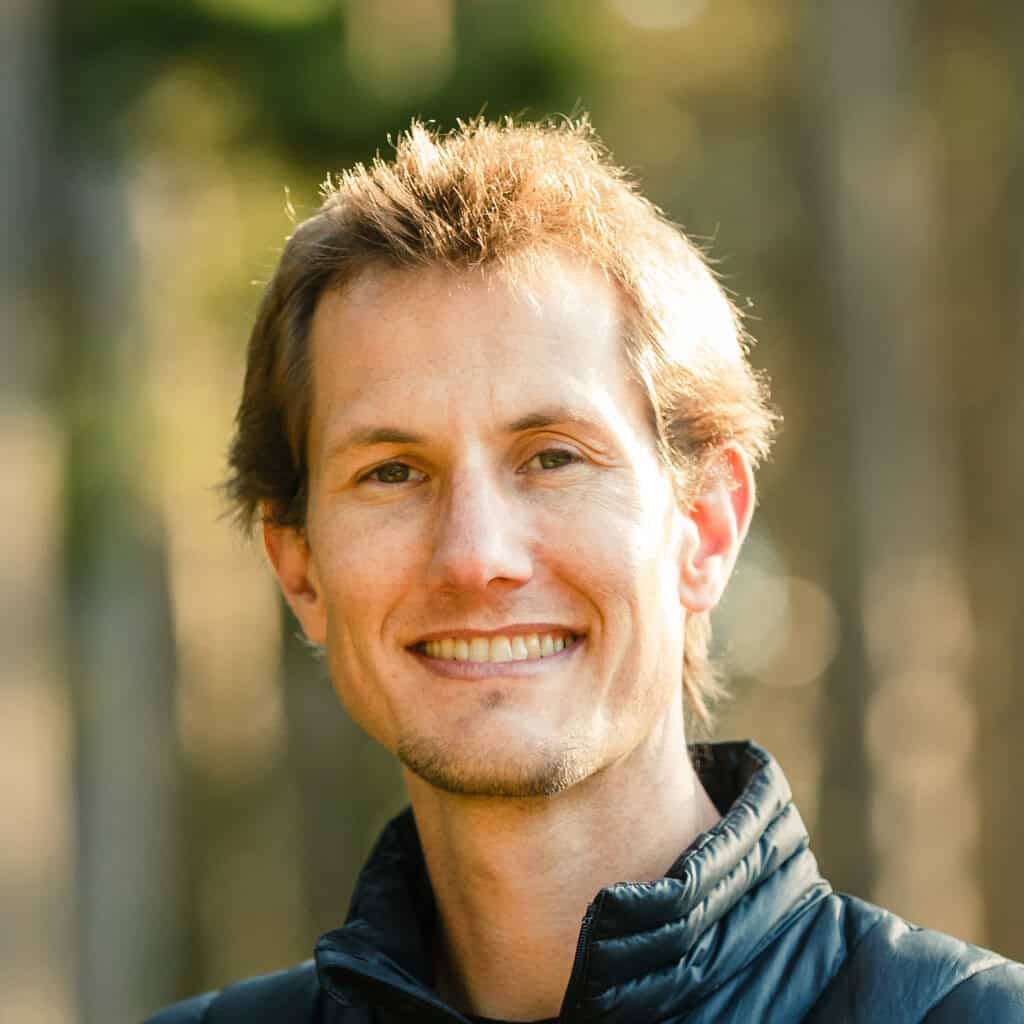
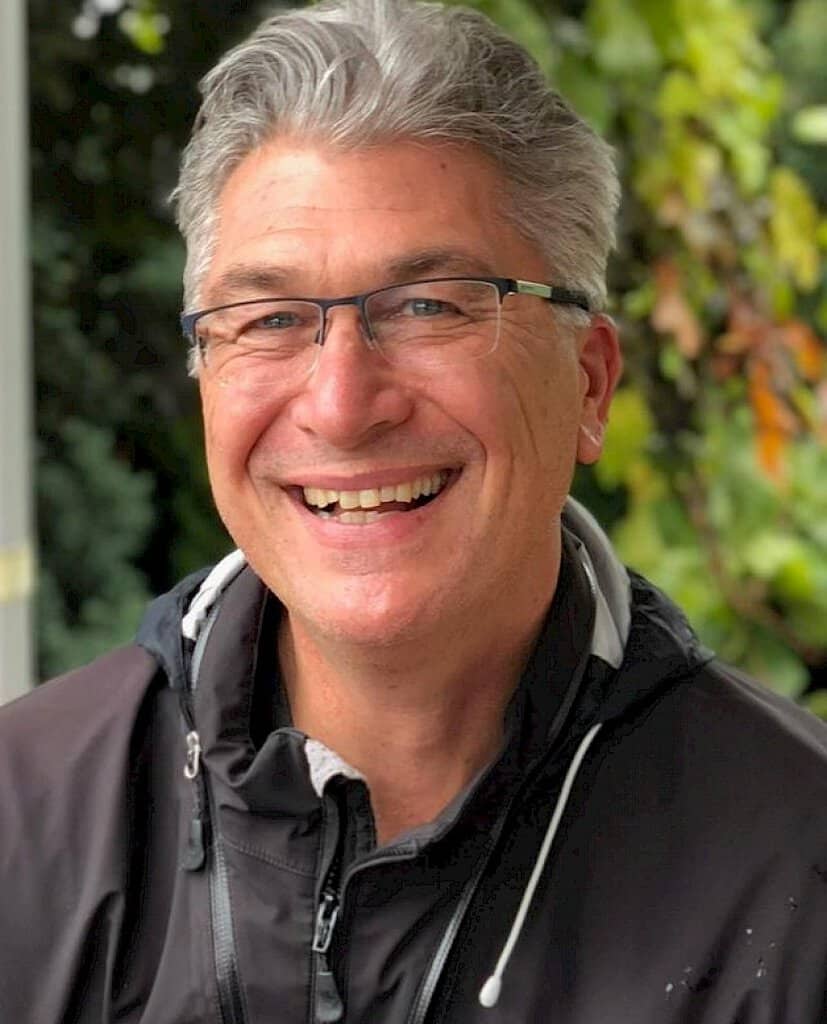
    Ryan Honeyman is smiling in an outdoor setting.

    Ryan Honeyman is a Partner and Worker-Owner at LIFT Economy and co-author of The B Corp Handbook and The Next Economy MBA, both published by Berrett-Koehler. For more than 15 years, Ryan has helped over 100 companies—including Patagonia, Allbirds, Ben & Jerry’s, and Thrive Market—become Certified B Corporations, recertify under evolving standards, and use certification as a catalyst for deeper organizational change.

    Ryan is the co-host of Beyond the B, a podcast exploring what is working and not working in the B Corp movement, and a co-host of Next Economy Now, a LIFT podcast highlighting leaders advancing regenerative and whole-systems approaches to business.

  • Accountability, Certification, and the Triple Bottom Line with Tom Hering of Benefit Corporations for Good (BCFG)

    Accountability, Certification, and the Triple Bottom Line with Tom Hering of Benefit Corporations for Good (BCFG)

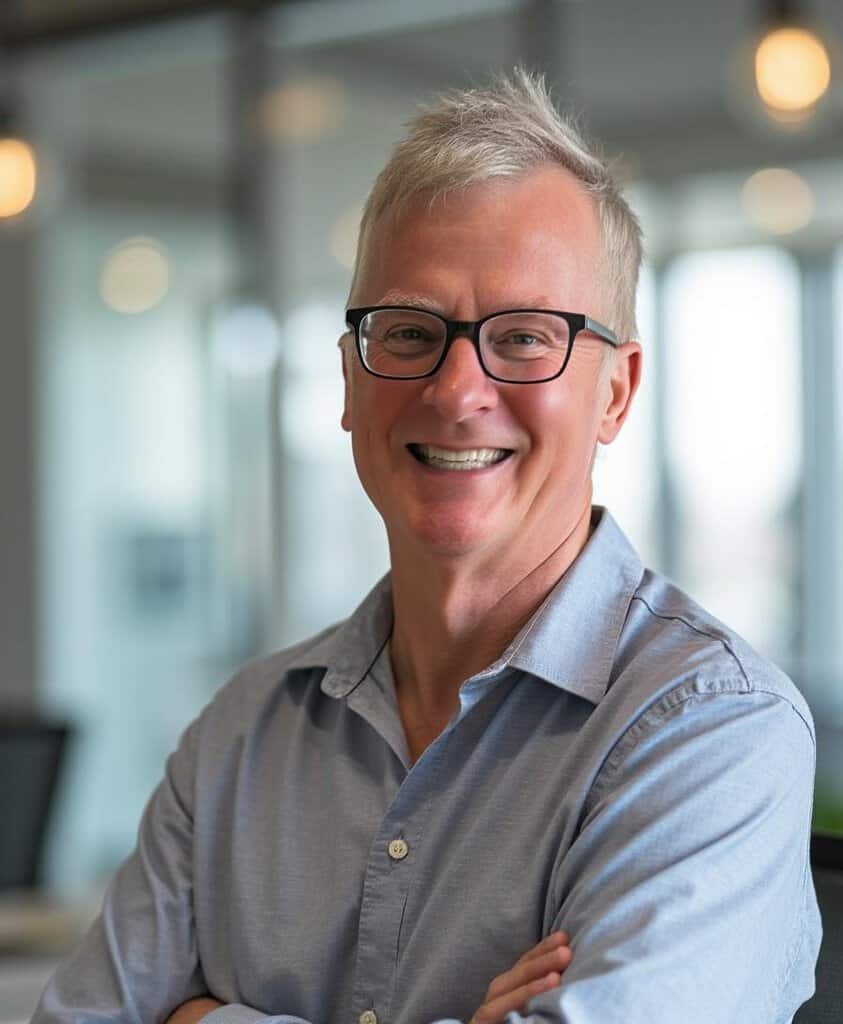
    Tom Hering, co-founder and managing partner of Benefit Corporations for Good (BCFG), joins Kim Allchurch Flick for a discussion about whether small businesses truly reflect their values and how to communicate them with accountability.

    Hering shares his three-act career journey from advertising to purpose-driven business through the Benefit Corporation structure, and describes BCFG’s work since 2018 certifying businesses across 13 states and one Canadian province around people, planet, and profit.

    They discuss challenges including a trust deficit from purpose-washing, accessibility for small businesses, funding and scale, purpose fatigue, and an awareness gap about Benefit Corporations.

    Hering outlines BCFG’s process (values quiz, legal benefit status, 60-question assessment across eight standards, annual public benefit reports) and highlights community-building events, student support from University of Oregon’s Allen Hall PR teams, optimistic market data and generational expectations, ways listeners can help, and how to connect via BCFG’s website, newsletter, and YouTube.

    Listen Now

    Time Stamps

    00:00 Welcome and Guest Intro

    02:00 Tom Journey to Purpose

    04:38 Trust Deficit and Community

    09:44 Key Challenges Today

    14:34 Why Optimism Is Rising

    18:04 Expansion Beyond Oregon

    21:39 How Certification Works

    27:05 Student Outreach and Mentorship

    33:53 Recertification and Value Proof

    39:33 How to Support and Connect

    43:22 Dream Dinner Guests

    47:00 Closing Thanks and Wrap

    Kim Allchurch Flick: Hello everyone. This is Kim Allchurch Flick of the Mighty Measure Podcast, and I’m thrilled to be here today with a friend. Tom Hering is co-founder and managing partner of Benefit Corporations for Good, also known as BCFG, an organization he launched in 2018 along with Mary Anne Harmer to grow the benefit company movement across Oregon and North America.

    Under his leadership, BCFG has certified businesses in 13 states and one Canadian province championing a triple bottom line of people, planet, and profit. He is the co-founder of two books. Putting soul into business, how the BI Benefit Corporation is transforming American business and 25 building blocks to create a conscientious organization and currently serves as a member of the advocacy action team for the Interfaith Alliance on Poverty.

    Tom holds a degree from the University of Oregon School of Journalism and Communication. Today we’re gonna talk about. Does your small business truly reflect its values? And there’ll be some key takeaways why a responsible small business communicates its values to all stakeholders. What lies at the heart of small businesses practicing the triple bottom line, and how a small business builds in accountability to its mission, vision, and values.

    Tom, welcome. It’s so great to have you here. 

    Tom Hering: It is awesome to be with you, Kim. I am honored and look forward to chatting with you here over the next few minutes and see if I can, help bring some interesting viewpoint or enlighten a few people or just reaffirm some things to some of the great leaders that might be listening to your podcast, 

    Kim Allchurch Flick: all of the above.

    And a nod to Mary Anne Harmer. I met her first and she led me to BCFG in 2018, and we’ve all been friends ever since. So I am truly blessed by that. So let’s start with what has been your life journey and the inspirations that brought you to this point? 

    Tom Hering: This is just a very interesting question. I know that, you sent these ahead to me, Kim, to look at ’em, and really, my journey is simply defined by three x.

    All right. And honestly, I didn’t really figure out how they were connected until I was deep into this one, the third one. And little bit about the first two acts they were spent in advertising. I was copyrighted creative director. Are two decades of learning how to shape stories communicate what a company stands for.

    And I really did love it at that time, but somewhere along the line I started asking a harder question, particularly in my second act, that what do I actually wanna stand for? And, the question started to become impossible to ignore. And that is I wanted my third act to mean something beyond the campaign, beyond the ads, beyond the beyond beyond the radio spots.

    And so I started exploring the intersection of business and purpose, along with my co-founder and now retired partner Mary Anne Harmer. And that’s when we discovered the Benefit Corporation structure. The idea that a company could embed its commitment to people and plan it into its legal DNA, not just in its marketing materials or pr brochures.

    But something that was genuinely electrifying. And my inspirations have always been, the entrepreneur, the entrepreneurs who refuse to accept the false choice between profit and purpose, that they were not, opposites but actually work together. And those business owners who you know, who look at their team, their community, their environment, and say, these are not trade-offs, these are responsibilities.

    Every one of our certified members in the BCFG community inspires me, including you, Kim, and you are our very first certified BCFG. I want listeners to know about that. And we’re very humbled still to this day by that and you all in, in that community and our community are really proof that there’s another way of doing business.

    You know that it’s not only possible, but it is actually happening.

    Kim Allchurch Flick: What a lovely way to put it. And thank you for the nod. It’s the so much fun. I was so delighted to hear about BCFG. And learn what you and Maryanne were putting together. And I thought, I’m, I’ve gotta be on board and haven’t looked back. I’m so delighted. What are you seeing and hearing in the community and what do you see about you in terms of what you’re doing and how the community’s responding?

    Tom Hering: Yeah the way I see it as the communities we serve are small business owners and they are simultaneously really the most underestimated. And as I see the most powerful force in the American economy the issue I see most clearly with them, it’s a trust a deficit. Consumers are, increasingly skeptical of corporate purpose claims and rightfully so. purpose washing is everywhere. I remember hearing about greenwashing so much the very first time I heard about Oregon Benefit Company in 2017. From a good friend of ours in the Oregon Secretary of State’s office, and, there’s this thing about companies plastering sustainability language across their websites without a shred of accountability behind it.

    And I think the cynicism, it damages everyone, including the businesses that are general, generally trying to do things right. Another issue that bubbles up for me is accessibility. The infrastructure for purpose-driven business has historically been built for larger companies with ESG departments or legal teams that have the monies to engage with those those specialists, those subject matter experts and small businesses, which represent the vast majority of employers in our country have been largely locked out.

    And so that’s why we came up with Benefit Corporations for Good a, a solution that has a certification but is aimed at the small business person. And this is from solopreneurs to, we have a few businesses that are in the thousands, a 1500 thousand employees are teams. But for the most part, they’re for smaller businesses.

    And our standard really was developed alongside, respected bodies like B Lab and what is the other one I’m thinking about? Green America, GRI, those are similar organizations that are recognized by the Oregon Secretary of State. And designed to be really accessible to small businesses, and we are humbled to be on the, on that page with those three other great business organizations.

    And then we also offer something just as valuable as the certification itself. And I call that community, when our purpose-driven business owners find each other. They’re able to accelerate and encourage and inspire each other, and they share practices, they refer customers, and the cool thing is that they really raise the bar collectively.

    And so the solution really to a trust deficit is verifiable accountability. And I think that’s what we provide to these purpose-driven leaders that become part of our community. 

    Kim Allchurch Flick: I concur from my vantage point as well being in Portland, but also you’re building this across several states and your gatherings are mostly in person, but there are some virtual ones as well, and they aren’t typical networking events.

    I think the magic that you do is bring people together where everyone gets to announce who they are, what they do. And it’s a chance to see who’s in the room. And it brings people much closer together. And I know that I personally have done business with a lot of BCFG businesses because of that, because we’ve had a chance to shake each other’s hand and say hi.

    But not in a sense of networking. It’s more in a sense of the commonality of we’re all here too. Work our butts off, earn money and do it for a higher purpose. And everyone has their own individual view of that. 

    Tom Hering: Yeah. Yeah, absolutely. To use an old cliche, you are all singing out of the same hymn book, and it delights me to no end.

    When we have those happy hour for good events or get togethers that bring not only just to our community, but others that are interested or are also purpose-driven leaders, nonprofit leaders come, that it is something that inspires me. That’s what really keeps me going. It is it’s great energy and I’m grateful for every one of those really inspiring professionals that are in the same room on those events in particular, to see that energy and that connect connection.

    Kim Allchurch Flick: And I think you also do something magical, which is bring a focal point. There’s always someone who’s talking about something specific for 15 to 20 minutes, not too long, not too short, and yet it, it encapsulates the meaning for a particular event. So you’re very, very good at that. We’re gonna switch gears just a little bit and say, what are some of the obstacles and challenges that you’re seeing these days?

    Tom Hering: Yeah, so I, yeah, I came up with three. And these are the ones that, it definitely enters my mind and my heart, pretty regularly every week. And, the very first one is really about scale and advocacy and certification for good. Don’t necessarily attract traditional interested investors.

    We’re not a product, with a hockey stick kind of growth curve. We’re really building infrastructure for a moment and a movement, I should say, and that requires a different kind of patient mission aligned support. Finding that support at the scale needed to grow our impact remains our most persistent challenge.

    And so that’s cer certainly one of the three obstacles challenges I think that are on that weigh on me pretty regularly. And the second one is what I call purpose fatigue. There’s so much noise around ESG and sustainability and social impact. That I feel business owners and consumers are becoming somewhat numb.

    When everyone claims to be purposeful, nothing feels meaningful. And our job is really to cut through that noise with something concrete and certification and accountability and annual reporting all add up to, to proof not promises. And I think that’s a good direction.

    And then the last one, and this has been one, since Maryanne and I founded this in this organization in 2018 it’s the awareness gap. And it’s surprising how few people still know about the Oregon Benefit Company or the Benefit Corporation across the United States at this time and date, even though that ability for a business to incorporate as one has been on the books since 2008.

    We’re talking almost 20 years. A remarkable number of small business owners have never heard of it, and a lot of them are living the triple bottom line in practice how they run their businesses. They just don’t know that there’s a legal framework and a certification that formalizes and then validates exactly what they’re doing.

    Every conversation we have is partly in education, and education at scale takes time and resources. That’s something I finally have accepted. So none of these, it’s funny, Kim. None of these challenges really discourage me, but they certainly help clarify the work that I need to do as the leader of this community.

    Kim Allchurch Flick: And you’re doing it well and you bring up something really important it that it is true. There is still greenwashing and purpose washing, looking good, but not really doing it. And then there’s the other thing that you and I have talked about is in our community, finding these small companies bumping into some, someone in retail may be walking through a door and it’s obvious that they’re doing things with heart, with soul, with purpose, doing some really great things.

    And to see the depth at which they are thinking about their employees, their sourcing. This happens a lot in food. And so ask a couple more questions what is your purpose? What are your values? What do you do? And. They tell me and then I say, oh, and how do you track that?

    Oh, we don’t. Or, it’s, or there’s some vry to it. So there’s the also this I’m not gonna call it a trend, that’s not what I see, but people that really are doing great things and they haven’t thought about really bringing that to light and the value of measuring and documenting and keeping track of that and.

    I find that because of our work my work as well, because I live in the certifications and verifications world and want to showcase what companies are doing, and part of that is measuring and reporting it so that consumers can find the companies that are doing well and know exactly what it means to these ones that are doing great things and don’t showcase it at all.

    And. And that seems to be a gap. And I was wondering what you’re seeing in that regard too. Not the over promising ones, but the ones who are doing great things and can’t even find it on their website or 

    Tom Hering: I think that’s, getting that message out and clarifying that there is some third party that’s helping, to validate claims that have been made by businesses that are doing good is a helpful thing. And you’re right, there are many that are doing that, and I think that’s the one thing that Maryanne and I saw. Back in 2018 is that there were so many good small solopreneurs, small businesses doing amazingly good work but didn’t either have the time or the resource to go through a formal certification.

    I think until we, I think we came along at least and offered an alternative there, things that are really making me optimistic because I was talking about my challenges, but I think there’s some things that are really making me optimistic. Data Next Generation and the businesses I meet every day are totally fueling that for me.

    So a couple interesting recent stats here. For your audience and this is really some data that is pretty much unambiguous. So PricewaterhouseCoopers in 2024 in their voice of consumer survey, found that consumers are willing to pay nearly 10% more. For sustainability produced goods, and this is even in an inflationary environment.

    So this was just two years ago, not even two years ago, Deloitte found that purpose-driven companies retain employees at a 40% higher rate. And a 2024 study from them showed that 94%, 94% of Gen Z consumers expect companies to address social and environmental issues. These aren’t fringe numbers, they’re mainstream market signals.

    The way I see it. This next generation does give me enormous hope particularly millennials and Gen Z. They aren’t asking whether businesses that you know, business asking the question whether a business should be purposeful, but rather they’ve already decided it should be. They’re the dominant consumer and work workforce for the next three decades.

    And they’re businesses that the businesses that understand this now are gonna have a structural advantage for sure. We always say to businesses that are considering coming to our community or whatever certification standard they might be seeking, is that if you really wanna attract the best and the brightest in terms of employees, make sure that you’re paying attention to the needs of those two generations.

    And that is. Basically they wanna work for a business that does more than just make a profit. And, and then I guess the last thing really is that there are the inspiration I find are from, as I mentioned earlier, the business owners themselves. Every company that we’ve certified, from solar providers to law firms, to artisan food producers.

    It’s proof that profit and purpose are not opposites. And these opportunities aren’t sacrificing performance for values. They’re discovering that values, their values are a competitive advantage. And so when I look at all of this together I just don’t feel optimistic. I feel like we’re on the, the right side of history.

    We’re really at an inflection point, I think, and I think that history is moving faster than a lot of people realize. 

    Kim Allchurch Flick: I think you’re so right and it’s why I think I have the best seat in the house with this podcast series as well, is hearing the stories of those people and collectively how much optimism I have as well.

    Because there are innovators and creators and supporters that are doing something for good and collectively, this is a pretty large force of just values and purpose-driven people. In concentric circles all over the place. 

    Yes, and 

    and you’re right. And it’s really encouraging to hear those statistics as well.

    Very encouraging. Yeah. And tell me about the expansion. Other states you’re in 13 states now. Not all states have the, legal entity of Benefit Corporation, but a lot do. And what are you seeing beyond the local area? 

    Tom Hering: I think they’re very similar. right now, I think it’s 40 states that offer Benefit Corporation legislation.

    And I gotta believe that almost every state’s gonna have that at one time or another. Before this whole chapter I guess is written, but what I see a really no different than what I’ve seen in the businesses that we’ve certified in in Oregon. They they’re very purpose driven.

    It’s all built Kim, on values. Their values are aligned. All 13 states have values that are aligned. And I think this is something that I always say, even in our happy hours for Good, which is in person here in Portland, and that is, people should be talking with one another.

    It’s always one of, you’ve heard my pitch, dozens of times now. But I always say to everybody in the room, and we have plenty of people that are new that come each time that are not necessarily certified, but I say. You should be talking to your neighbor who, even if you don’t know them at this point, because your values are aligned, and why would you not wanna do business with somebody who, believes and acts the same way that you do in terms of how you run your business?

    So I see that in these, 13 o other states. I just certify one of our businesses in New Mexico two weeks ago. And it always comes through loud and clear that, they are built on. The belief that the triple bottom line that people, planet and profit that idea is the only way to do business.

    And they’re doing it, they’re doing that. They’re reflecting that in their certification process with BCFG. 

    Kim Allchurch Flick: Well, congratulations. That’s another state. And I think the other thing I see happening with the magic that you create between companies, and I wanna say not everyone’s like-minded, but certainly like valued.

    And I think the beauty of it all is also diversity of thought that comes into it. Diversity of businesses, diversity of the types of people running those business and working with those businesses, but doing the work together and discovering. Supply chain. Discovering potential partnerships, discovering supporters, discovering contractors discovering.

    Helpers and the assistants and all within that community and beyond. And I know that because of it, I’ve found great companies to work with that I didn’t know of if I wouldn’t, may not have known of if it wasn’t for your group. And because of the group, we’re all getting to know each other more. And that differentiator is values driven because we all have competition too, and some values driven, some not.

    But having that differentiator and being able to find it is really, really something. 

    Tom Hering: It really is. And you’re right. And that’s a, another real benefit of being certified is it is a clearly a differentiator in how you market your business. And it’s something to be, as I said earlier, something that younger generations are particularly looking for.

    And they will do their due diligence and they will look to see what does this business, whether they’re a customer or a prospective customer or a prospective employee. Or just a prospective supportive community member, see what this particular business stands for and stands up for, is what I say. So 

    Kim Allchurch Flick: abs, absolutely.

    And would you mind talking a little bit about the evolution of BCFG since 2018 and what the assessment’s and any changes you’ve made to it? 

    Tom Hering: Yeah, I think ours, is a, it’s a simple process. Really there are just we say there are really three things to move forward into our community. And that first thing is obviously to see if you’re a good fit. And we have a free values alignment quiz that is on our homepage. There are 12 questions. It takes you less than two minutes. You get a good idea of whether you’re a good fit now, whether you’re working toward it.

    And then we’re able to offer some follow up information to help them get on that path if they need more help. Secondly we always suggest that they incorporate their business or amend their business if they’re already incorporated to include that benefit company or benefit corporation box and that structure in their legal documents on their Secretary of States website.

    And then the questionnaire is 60 questions. Somebody goes through it, and our pricing is all based on the number of FTEs in a particular company. And as you could imagine, we, the majority are in our smallest fee range. And that’s five FTEs or less. And those questions are based on eight standards.

    And the eight standards are understanding the values of Benefit Corporation, what we call conscientious leadership diversity, equity, inclusion. Green practices, community engagement, customer service, strategic business practices, and work life, or what we call life balance. 60 questions based around those and it’s self-evaluating.

    And then once somebody’s done, we ask if they’re supporting documentation on why you gave yourself a particular score. To include that. And then we go through the process of not only scoring, but evaluating what are some quality steps that you might be able to take to improve your scores and here’s where you’re doing great work.

    And recently we’ve added a new written report then that follows that we hadn’t been doing that. Because of our, what we felt was a very low price point. But now we’ve added this not only in documentation, but in scoring and an infographic that shows a company leader what’s being done well and where can we improve and something they can refer to each year.

    And we do, speaking of each year, we do require our founding 20. Businesses. Our first 20 businesses ask that we bake in some real accountability, and that is the annual benefit report must be produced. That is pretty much a legal requirement in all 40 states. How did you improve people and planet, or that’s the simple word.

    There’s some more policy statement that talks about positive impact, positive material impact on people and planet. But and nobody gets re-certified in our committee until that report has been, not only created and, but it has to be published on that particular businesses website.

    Kim Allchurch Flick: That’s super important. And you’re saying something that is so. Critical to remember is the state is requiring it, it’s, it is written in there and that means make it public. It can be on a website. And there are other organizations we know other verifications and certifications that are also saying Benefit report annually must be public.

    I find re-certifying annually to be. Something where you gotta brew a good pot of tea or something and sit down and just do it. You’ve made it so it can be saved and can go back to it. But I also find that I love having a sense to look back and look forward and retrench. Certification is usually the hardest because sometimes we don’t know what documents to prepare, and that’s where consultants and people like I come in.

    But also, once you’ve done it. The documentation doesn’t have to change. It needs to be updated, but the platforms created can be similar and it doesn’t have to feel like a second job. It can be part of the operations to keep documenting in those eight standards, and then you’re ready to prepare and in some ways, preparing for taxes annually.

    Feeds into this type of documentation because if you’re a company that’s tracking philanthropy volunteer hours, things of that nature, then you’ve got some of the documentation there anyway. And I think that’s where some people get scared and put off is they think that the tracking is gonna feel like a heavy load, but when it becomes.

    When it becomes I’m trying to find the right word for it, but when you have a system 

    And can create a system that works really well, it can be plugged into so many different things and you feel really good about it. But for companies that do have employees or to be able to share with partners, like to attract part partners in a supply.

    That’s also something that becomes really great to share and people start to find each other. 

    Yeah, so 

    I think what you’re doing has so many layers to it, that the assessment itself is one thing, but what it does for companies is many things. And that’s great to know and it has been updated. And tell us a little bit about your outreach too and how you’re being supported by and are supportive of the U of O students and others.

    Yeah that’s a bright spot too. That’s a really cool thing. 

    Tom Hering: It is a very bright spot. So I’ve been fortunate. So this is almost the end next week I think is the end of my fourth year of engaging with Allen Hall pr, which is a student run. PR organization with the University of Oregon, my alma mater, and I’ve had the privilege of working with a different student team the last four years who’ve helped me and BCFG with its social media and some great creative thinking to help me problem solve particularly when it comes to communication.

    About our community about our businesses, and it’s, I’m gonna do it again. I’m gonna be, I’m gonna be signing up for year five because it’s something that I get their creativity and their energy and their smarts, and they get a little bit of mentoring from me. But I’ve had some students on those teams that have gone on and are doing great things at very young ages at least in my perception.

    And it’s been a total delight and joy. They’re just really I think students today, the majority that work on these teams, they’re passionate and yet they’re really maxed on time on the time that they have because the majority of them are all working as well. They’re working part-time to get themselves through school.

    And, I was privileged to go to a time where I could work on a summer and make enough money to put myself through school. And that’s just not a realistic thing. So I even have I place even a higher value of what they bring because of that and because. They have been doing such good work for our community.

    Kim Allchurch Flick: Yes. And I see the products of that on your LinkedIn post. I know they’ve been creating some of those graphics. Yes. And that beautiful infographic that you create for the people that have certified, that becomes a beautiful marketing tool and something to put in a benefit report. But the highlighting that you’re doing of members and when the teams show up at the BCFG happy hours and when they do a survey.

    All these things are a huge part of the community that’s built through BCFG, and I’m very appreciative and I know a lot of other people are as well. So what makes you optimistic? 

    Tom Hering: Optimistic I think is pretty much, what I think I mentioned a little bit ago about just having meeting with the company leaders, these business owners.

    They’re the ones that truly make me the most optimistic. I see them firsthand. I’ve met them. Some screen to screen, but mostly face-to-face and what they’re doing and their commitment as leaders to do something that is very mission-driven. Even though they’re not necessarily nonprofits, but they are very mission-driven in how they approach their business.

    I recently certified a business in the last two weeks. That is doing some amazing work for teenage financial literacy, and I am just absolutely blown away by these two co-founders who. Found this deep need through one of the founder’s nephews as a matter of fact. And it’s being around people that wanna do good and not only wanna do good, but are doing good, Kim, that really give me this good, healthy dose of optimism and a world, at least from my viewpoint, that needs a whole lot of it right now.

    And that’s where I can find it for me for sure. 

    Kim Allchurch Flick: I thank you for that. Yeah, it’s, it, this is 2026 and people are having some challenges and, we find this network that we have in our community, but also see in other communities of mission-driven, values driven entrepreneurship. That there’s a lot, and that’s where I find my optimism is small, but collective is mighty and I think there’s a lot of good people.

    People are doing some really great things and you also help bring people together so that they can see it. And because of that, I mean I’ve been able to hire people and get jobs done with because I’ve met people through your organization and your networking, and I have an opportunity to really find out how they feel and how.

    They care about their employees. One was solar panels and it was a really rough time because of tariffs. And they were talking about the, the employees were talking about how they loved working for this company, power Northwest, that, and they’d been with other companies that probably would’ve laid them off, but.

    They, they kept their jobs, but the other thing I saw is they were empowered to be creative problem solvers and they really worked together and issues came up and they solved together. And I was able to observe it and they were great to be around and they did a phenomenal job. So I think that’s part of it too.

    It ripples down and it ripples up and it ripples through everything that companies do because when employees recognize it and feel happy and they say, yeah, we could go to a similar company anywhere, but we wouldn’t be treated like this. That’s just one example. And we have others. And you know who they are too.

    But some produce, food, some produce, services, some produce a variety of things. And collectively it really makes a difference in how we do our work, but also how we live our lives. 

    Tom Hering: Absolutely. Yes. Yeah, it makes a real difference. I think that whole stakeholder’s approach versus a shareholder’s approach works wonders for everybody in a business across the board.

    And I think the one thing that, again, we see that is a very consistent marker of the leaders that are in our community is this idea. Not necessarily a new idea, but still a great one is servant leadership. They walk alongside their employees, not in front of them, and their team members and they’re all treated equally.

    And it is really refreshing and that’s why. Employees, team members stay together. They recognize that. And this whole, this example you just shared Kim about Power Northwest is, I didn’t, I wasn’t aware of that. It’s very impressive. And I believe that’s happened to a couple other companies recently that I’ve, recertified.

    So I’ve been hearing the same kind of story. It’s just how these leaders are built. It’s what’s in, their DNA. 

    Kim Allchurch Flick: Absolutely.

    Every once in a while somebody’ll say, oh, we’re not gonna recertify anymore for a variety of reasons, but we’re doing the work. What do you see and what are your thoughts about that?

    Tom Hering: Yeah. I think that’s a, it’s a, it’s an interesting question and certainly we’ve had, a good number of businesses that have chosen not to recertify with us. I think, my feeling is that. The mission of that particular business might have changed the profitability of that organization might have changed.

    And that has been probably the most, those are the two most common reasons why people haven’t recertified with BCFG. Now, I recently heard from a. Business that had been certified then did not recertify for two years, and now wanna be back and recertify. And I said absolutely. They said that they believe in our mission.

    We were helpful as a community. They’re still struggling a little bit, but they’re working out, their revenue scenario. And I always say particularly to to historically challenge communities, we do offer scholarships too. That means, there is no cost to go through our certification if there indeed is a financial challenge with that particular business. As long of course as they’re aligned and with the triple bottom line movement. So we try to do that as well. But overall, I think that the majority, we have businesses like you, Kim, that have been with us, eight, nine years now I think, and several as a matter of fact.

    I think what it help, what helps with businesses that continue to recertify is it, I was gonna mention as we were talking earlier. That a leader gets each year at the recertification while it at 60 questions seems pretty onerous to some people. I understand it, particularly if you’re a solopreneur, but the information that you glean from just going through that process, even if I’m not involved, that leader is able to recognize almost right off the bat, here are some things I need to be doing better.

    Let’s see what BCF GC is doing this. It’s this self-awareness of, wow, here’s a way I can improve my business with my team members. Here’s something that I’m missing. Or I haven’t thought about this particular grain practice. Why haven’t I looked into that? It is an ama It’s very enlightening.

    You’ve been through it and I know that you’ve discovered that yourself. And I think that’s the one thing that I keep telling people that even though I heard from one of our leaders and I, a solopreneur and rightfully so, just a week ago on, on how, she saw this questionnaire and thought, oh my gosh, 60 questions.

    Do I have time? And that’s the question. It’s not that they, that she didn’t believe in it, but did she have the time? And I said, here’s how to do it. Chunked this out. However, whatever guidance I could give her. But in the end I know that she will find some new things that will help her be a better purpose-driven leader and as a result, better purpose driven business, which I think is gonna be more attractive too.

    The, types of customers and prospective customers that she wants as part of her business. 

    Kim Allchurch Flick: I concur. And I think it also goes back to those statistics, and I’ve always done the older Nielsen 20, I think 20 14, 20 17, that said two thirds of consumers globally were willing to pay more for products and services when they know a company has good values.

    I’m paraphrasing. And around 2017, they said that 73% were millennials, and now you have the 2024 PricewaterhouseCoopers. Are justifying paying up to 10% more in the Deloitte, up to 24% more, and 94% of Gen Zs expect values driven. So having a verification helps all those percentages of people find you if you’re a company owner and also helps us find each other.

    When we wanna do business, ’cause we as business people are also consumers 

    Yes. Of 

    something either whether B2B or B2C. So having the proof points and that beautiful infographic, it can be enlightening for somebody who’s looking to do business with someone who’s has great values. So that’s one of the reasons why I personally am driven to recertify, is to keep current, to keep up to date.

    Also, because I like to know how things work and I help others do their certification. So I have a different motive. But I also have a motive for myself, and that is striving and being recognized. For that and what you have as an infographic and a badge that is becoming increasingly recognizable.

    And so all of this helps because consumerism is full of, we know this, millions of messages daily and how do we sort through it? So this is, gives people a way to, to cut through. And those percentages I think are very important. And, but I also don’t wanna dismiss that there are people who’ve been consumers longers.

    Baby boomers onwards, and a lot of those people have good values too, whether it’s originally or evolved over time. And people are also getting more data. And the more we know, the more we might seek to do something good or work with companies that are doing good and there are new innovations that didn’t exist back, didn’t give us choices.

    So having new choices also means we can shift and our values can be pointed in that direction to make choices. 

    Tom Hering: Absolutely. Absolutely. Yeah. 

    Kim Allchurch Flick: So what else would you like to share? 

    Tom Hering: I just, I think what I would share maybe is a couple things, how people might be able to help me better listening help me move the needle a little bit more on this expanding this community.

    And I would say, the first and probably obvious one is maybe to tell someone about it. And particularly if you’re a small business owner listening who cares about the world they’re operating in, thinks about their team, their community, their carbon footprint, tell ’em a little bit about BCFG.

    I, being in the, my first two acts in the advertising world, word of mouth from Trusted Voices is still our most powerful growth engine, and I don’t think that’s ever gonna change. The second is maybe if you’re interested to champion certification as a standard.

    As you were saying earlier, we live in a world where consumers and partners increasingly and those stats from Pricewater House Coopers you know, and Deloitte increasingly, underscore that people wanna support businesses that mean what they say. And if you’re in a position to, to recommend vendors or choose choose certified benefit corporations or certified B Corps you know that they’ve been verified if you’re a journalist or an investor or a community leader, talk about certification, the way you talk about other quality standards and normalize this expectation of accountability.

    And then I guess again, maybe just as a little part A part B of the last, second point I just made there about championing certification is think about maybe being a certified member. And again, whether it’s through our community or through one of the other three communities in Oregon, or many of them are available throughout the United States.

    Do that. I just put a pitch for us is that we’re a Lean Oregon. Organization. We have an outsized mission. Every dollar, every relationship we bring in, goes directly into building the infrastructure for a more accountable econ economy. We don’t need everyone to do all three.

    We just need more people maybe to do one of those things. 

    Kim Allchurch Flick: Well said. How can people reach you? 

    Tom Hering: The best front door is obviously our website benefit corporations for good.com. I know it’s a mouthful. Everything lives there. You know how certification works who’s already part of our community.

    You can see the annual benefit reports of those that have been recertified. You know how to start a conversation about becoming a certified member. If you wanna stay connected with our movement, the. Best practices, member stories, policy updates tips and tricks.

    Sign up for our newsletter. It’s also available on the website. We make it worth your inbox. And, if you’re a small business owner who’s asking the right questions about what your business stands for I’d love to hear from you directly. You can reach out through the website.

    Our work really grows through conversation more than anything. I’m generally energized by every, small business leader, entrepreneur who’s ready to take the next step towards accountability. And then I’ll just say the one thing that we’ve just been building out is if you wanna even just learn more quickly.

    Our YouTube channel now is getting several shorts that have been posted. They’re usually one minute, and that’s at ben Kors for good.com. You can find us on the YouTube channel. So those are some ways that you certainly can reach us. 

    Kim Allchurch Flick: Very clever and I highly recommend the newsletter as well.

    You always have great tips and all sorts of things happening, and it’s for beyond Oregon. It’s a really solid, good monthly newsletter. Yes. 

    Tom Hering: Yeah. Yes. Appreciate 

    Kim Allchurch Flick: it. So thank you so much. And now for the final question, if you could have dinner with up to three other people living or deceased for a beautiful table of four, who would they be and why?

    Tom Hering: So this is, I’m smiling as I’m saying this because I, I thought about this more than I probably should admit, but I kept coming back to the same three people. And not because they’d agree with each other, because the tension would make for the most honest, important conversation I could imagine.

    And because I recently read what, I could probably say is the most important and memorable book I’ve ever read. It was the biography on Martin Luther King, Jr. And it’s a book called King by Jonathan eig. It was written in 2025, I believe, and it got the Pulitzer Prize. Dr.

    King understood something that most business leaders still haven’t absorbed, and that is that economic justice and moral justice are inseparable. His vision, the of the beloved community wasn’t just about civil rights, it was about building an economy where every individual, every person has dignity.

    That’s the North star of what we’re trying to do at BCFG. I’d want him, to push us on whether we’re being bold enough. Probably he’d say no. But the second seat would go to Yvonne Sheard the founder of Patag. And, most people who are aware of the B Corps community or of that particular organization, or both, know that he recently gave his entire company to a trusted, dedicated trust dedicated to fighting climate change.

    He’s the most radical practitioner, I think of exactly what benefit corporations certification is meant to protect. He’s also as people that are, familiar with him know he’s a reluctant entrepreneur who stumbled into purpose. The same way many of our members do. Not by following a framework work, but by following his conscious or conscience or values, I would say.

    So I’d wanna learn from him what he got right and what he’d do differently. And then the third seat’s gonna be probably a clank here. But this is the one people might raise an eyebrow as I said here. It goes to Milton Friedman. And so for those that are unfamiliar with him, he was the Nobel Prize winning economist who wrote the, the famous 1970 essay arguing that a corporation’s only social responsibility is to increase its profits.

    And that essay became the intellectual foundation for shareholder primacy, the ideology that we at BCFG is, essentially built to challenge. We were built to challenge that. So I’d invite him not to argue, but to listen because I think if Friedman were sitting at the table with Dr.

    King, with Yvonne Chouinard and with the evidence of what purpose-driven business actually produces for employees, for communities. For long-term value, he might be the most interesting person in the room to watch, change his mind. I think that dinner would be worth every minute. 

    Kim Allchurch Flick: I think that would be amazing.

    You’ve really got me thinking there. Yeah. And the snarky side of me wants to say, and I’d love to video the whole thing, encapsulate it and put it on 60 minutes.

    Tom Hering: Maybe we could Yeah. Have Scott maybe get Scott Palley to introduce it too. Yeah. 

    Kim Allchurch Flick: Indeed. Oh, well it is 2026. What are we gonna say? Yeah, Tom Hering you are a treasure. I also wanna thank you for. Just this the beauty and friendship you bring to everything. And a nod again to our friend Mary Anne Harmer, who co-founded with you and continues to be a friend to both of us and all things there.

    Thank you for everything. Thank you audience for listening. This is Kim Allchurch Flick. I appreciate you listening to the Mighty Measure. Please share it with friends and listen to other episodes because there’s a common thread running through this and I’m noticing it sometimes purely by accident, but there’s a lot of good out there and a lot of people doing great things to give us a lot of optimism.

    Thank you.

    This Episode’s Guest: Tom Hering

    Tom Hering headshot, smiling, in an office setting.

    Tom Hering is Co-Founder and Managing Partner of Benefit Corporations for Good (BCFG), an organization he launched in 2018 alongside Mary Anne Harmer to grow the Benefit Company movement across Oregon and North America. Under his leadership, BCFG has certified businesses in 13 states and one Canadian province, championing a triple bottom line of People, Planet, and Profit. He is the co-author of two books, Putting Soul Into Business: How the Benefit Corporation is Transforming American Business and 25 Building Blocks to Create a Conscientious Organization, and currently serves as a member of the advocacy action team for the Interfaith Alliance on Poverty. Tom holds a degree from the University of Oregon’s School of Journalism and Communication.

  • Why Climate Capital Isn’t Flowing – and How to Fix It with Sean Penrith of Gordian Knot Strategies

    Why Climate Capital Isn’t Flowing – and How to Fix It with Sean Penrith of Gordian Knot Strategies

    Sean Penrith, CEO of Gordian Knot Strategies, a climate finance consultancy aiming to mobilize $1B per year by 2030 (and having mobilized $1.67B to date) joins Kim Allchurch Flick. 

    Penrith shares his path from entrepreneurship in Argentina to founding a sustainable glass company, then moving into climate policy, carbon markets, and impact investing in Portland before launching GKS to “translate” between capital providers and climate projects. 

    He argues climate capital isn’t flowing due to a nature-negative economy, lack of standardization, unclear risk/return profiles, and failure to price ecosystem services viewed as public goods. 

    GKS focuses on nature-based solutions while also evaluating energy and tech options. 

    He urges consumers to choose responsible banks, support climate-forward policymakers, and pressure companies, and defends carbon markets as a conduit moving capital to Global South “carbon sink baskets,” despite corporate fear of reputational risk.

    Listen Now

    Time Stamps

    00:00 Welcome and Guest Intro

    01:36 Sean’s Entrepreneurial Journey

    04:52 GKS Mission and Funding Gap

    06:03 Why Climate Capital Stalls

    08:11 Nature-Based Solutions Focus

    10:28 What Consumers Can Do

    19:31 B Corps and Better Standards

    23:34 Carbon Markets and Reputation Risk

    28:56 Nature’s Fast Comebacks

    32:44 Trillions Needed and Leadership

    35:09 How to Reach Sean

    35:28 Dinner Guests and Wrap-Up

    Kim Allchurch Flick: Hello everyone. Welcome to the podcast. I’m here with Sean Penrith, the CEO of Gordian Knot Strategies, GKS, a climate finance consultancy, serving multinational corporations and endowments, agencies, project developers, consortiums, and impact investors across the us. South America, Africa, and Europe.

    GKS goal is to ignite climate solutions by mobilizing a billion dollars in impact investment per year by 2030. Sean was a senior technical advisor to the Integrity Council for the voluntary car carbon Market. This I-C-V-C-M and an observer to the green bond principles. Sean presents frequently on topics that include conservation, finance, business scaling.

    Climate, smart agriculture, carbon mechanisms, policy and markets, the future of sustainability and climate change. Our topic today is why climate capital isn’t flowing and how to fix it. What an incredible topic. Thank you so much for being here. 

    Sean Penrith: Thanks for having me. 

    Kim Allchurch Flick: And I understand you are in Europe.

    We’re recording across several time zones and it’s just a delight to have you, and I admit this is a topic I don’t fully grasp well in terms of climate and finance but having concerns about the climate and being able to talk with somebody who’s trying to fix those concerns, to me is a great pleasure and a privilege.

    So what has been your journey and the inspirations that have shaped. Where you are today? 

    Sean Penrith: Yeah. Let’s see if I can condense that for you. Kim. So when I was young, I was always very entrepreneurial and I started a business after I sail the yacht across the Atlantic in Argentina. And the business was very lucrative.

    But it was one where. I began to question like what the purpose was for making the money and. It wasn’t that we had an illegal business or anything, it was in Argentina where, things are a little bit loose and when the phone would ring, I ring, I would jump wondering, oh my gosh, is there some issue at customs or what’s going on?

    And. I decided I needed to do something about it, so I went home to register. I’m from Cape Town, South Africa, so I went home to register for an MBA and while I was there, I started a sustainable glass company with my co-founder. And the reason that I wanted to do it was because I had this sense that if I did something with real meaning and with real purpose, it would satisfy me and make me more comfortable with what I was devoting myself to. So it was really an inner sort of calling or message, if you will. And so I was the CEO for that company for 14 years. We set up factories in different parts of the world, and then we sold that and I moved to Portland, Oregon, which.

    As you well know is the Center for Sustainability and everything that is happening on the energy efficiency and the green movement. And I got heavily embedded in the world of climate change, climate policy, carbon markets, impact finance. I actually started with our team a, an impact investment fund, which in 2015, which was really the early forerunner for.

    What you see now, there’s a deluge of impact funds around the world. But in those days was a newish thing. And I left in 2018 to start strategies basically because I had I’m married to an American. Beautiful American, and she was due with our second boy and I just wanted to be more, more present have more availability.

    And so I thought I’ll start this consulting company because I recognize there was a need for a translator between those that have capital and those that need capital. And it, I have to say it wasn’t. It wasn’t like I did a huge go-to-market strategy and then decided there was a need in the world.

    I just moved into it because I had existing networks and relationships that all needed help. And we started with one or two clients at first and that grew. And the more I got involved in this, the more what’s the word? Rewarding it has been, even though it’s hard work. I’ll, and we can get into that in a minute, but to do something, to devote your life to doing something where you know that it’s greater than you is a very humbling thing.

    But it’s also rewarding in the sense that you feel like you’re fighting for the right team. 

    Kim Allchurch Flick: I, it’s so incredible and it’s been time and ever evolving as well. What. With Gordian Knot what are the goals and what are some of the challenges? 

    Sean Penrith: Our goal is to mobilize a billion dollars a year by 2030 in climate finance.

    We’ve currently mobilized $1.67 billion. So we are a little short of our target. What are the challenges? At a very, at a macro level. You’ve got a nature negative economy that is essentially moving $5 trillion a year into the extractive world, and then you’ve got around $35 billion in nature positive trying to change the paradigm.

    So that’s a 140 to one disparity in the way money moves. So that’s the major obs obstacle is that we’ve got we’ve been challenged with a financial engineering arena of the way capital flows, which underwrites, extractive and doesn’t recognize the value of climate solutions. What does that mean?

    It means that. The clarity that you need in terms of being, investing into a climate solution, whether that’s protecting a forest in Borneo, or promoting regenerative agriculture in Ghana or whatever it is it is not very clear to the mainstream investor how to assess that opportunity, what the risk profile is, or how to be managed.

    I think at the end of the day, through no fault of mainstream capital allocators it’s a fragmented arena to move into because there’s no standardization. If I said to you, Kim, you should really invest in tree planting, your first question would be how do I do that? Exactly.

    If I said to you, if I said to you, you should invest in property, you gotta. Pretty good idea where you can go and find those resources. And I think that’s really what the major obstacle is that it’s not part of our vernacular, it’s not part of our financial systems. And the main thing is that what we’re attempting to do through climate finance is really protect the things that deliver planetary stability.

    But while we do that, those things, whether it’s a clean ocean or a functioning forest, are essentially viewed as a public good. We as citizens of the globe, believe that we have a right to a green space. We have a right to fresh water. We have a right to breathe clean air. And because we haven’t put a price on that priceless ecosystem, we have a disconnect.

    So that is the major challenge is how can we, knowing all of that, how can we turn climate solutions into viable investment opportunities where mainstream capital starts realizing there is potential and start changing the way they allocate capital. So that was a long answer to what’s the obstacle, but that’s the challenge.

    Kim Allchurch Flick: And are there sectors that you work with more than others? How where do you find some of the places where you can see the needle move? 

    Sean Penrith: Yeah, that’s a good question. So we predominantly have and tend to focus on what we call nature-based solutions. So anything involving natural ecosystems, whether that’s watersheds.

    Forests or regenerative agriculture or mangroves or algi. Anything to do with nature is what we tend to focus on. And to be honest, it’s quite difficult because it’s difficult to create a value proposition. I shouldn’t say it’s difficult. What is difficult is to address the perceived risk. That people who are interested in investing in climate solutions, in the nature-based arena to make them feel comfortable enough that this is not a gamble.

    And the thing that I hear so often, Kim, is can we really invest in a forest? Because is it really stable? Is the forest gonna be there or is it gonna burn down? And the thing I always remind people is. Our natural biomes have sustained this planet for eons that actually do their job extremely well, better than any mortgage industry, better than any banking industry, better than a host of other industries, and yet we are questioning the efficacy.

    Of our natural ecosystem, it’s almost laughable. But, so to answer your question, we focus on natural climate solutions, although we also spend time looking at energy efficiency, renewable energy, and what we call technological solutions like direct air capture and storage or more technological solutions, which people tend to gravitate to because they feel like it’s safer.

    But the work. Look, if we don’t, if we don’t protect our natural ecosystems, this planet’s done for, it doesn’t matter how efficient we become at ai there won’t be much left. 

    Kim Allchurch Flick: Oh, concur. And I, since there must be some frustrations along the way, but yet I still hear the joy in your voice and the positivity that can happen with that.

    How? How can you speak also to consumers who want to make good choices and may not have enough money to invest yet, but want to support those who can which industries, which kind of products which companies should we be exalting in a way as saying thank you for doing something that helps the planet instead of being extractive so that we can help you as well.

    Sean Penrith: Yeah, I think the number one place that people can individually deliver huge undeniable weight to the argument is, and I forget the exact website it’s called, I just looked at it the other day. It’s a website that tracks the most responsible banking entities in the world and basically compares the, carbon intensity of one bank versus another. And of course, all the ones you and I know well in, in the US are right up. But there at the top is not being that great. They’re funding the extractive. Side of things. And so to me, if there’s one place that you can make a difference, it’s choosing a responsible bank.

    There’s one just opened up in Florida called Climate First Bank. We’re actually thinking of moving our entire business checking account over the first climate, but they really, they walk their talk. So that’s number one. I think the other one is a little bit different from where I know the spirit of your question, but to me.

    When you look around the world, there are a few shining examples of policy makers or politicians that understand the severity of what’s. Planet’s going through whether that’s Al Gore or Mark Carney or Gavin Newsom in California. Regardless of what you think about his policies, understanding that Ahmed is a structural necessity for human survival.

    And so to me, people can make a difference obviously by voting for the, for people that put environment or sustainability or climate. First, and I think, it’s, that has not been happening, which is why we have a lot of folks in power that continue to carry the extractive industry flag. Which is just amazing to me.

    It’s just irresponsible 

    Kim Allchurch Flick: Indeed. I love. Listening to you and learning about something that I know a little about, which is large finance. And yet what I’m seeing is also how what you’re saying is being helped by people doing small things, but collectively. And one of the examples is a trip we made to Costa Rica last year that I did after 30 years and 30 years ago.

    I thought it was beautiful, but I didn’t realize. Was that it had been pretty severely deforested and going back in 2025, staying in eco lodges and to a naturalist guide, every one of them said, over the years, Costa Rica has reforest up to 50%. A lot of it on small hectares, like four to 10 hectares, privately owned that people don’t like.

    The monocrop pineapple industry that does the exports. They’re growing organically and they’re doing it with biodiversity, so nothing’s monocrop. They’re all integrated, and it was really, really encouraging to see that and around us. I also see media is pitching in a way too. Over the years, there have been some films.

    That are really good. Kiss the ground And common ground. 

    Sean Penrith: Don’t look up. Yeah, 

    Kim Allchurch Flick: exactly. Tho those types of films that help us understand that agriculture can change and it can change on a small scale, but collectively it builds up. And what I’m hoping that happens as people learn is that the consumer drive will also.

    Push industries toward what you’re doing as well and yet sometimes things feel daunting. 

    Sean Penrith: Totally. And I think we underestimate because it’s easy to feel overwhelmed and hopeless. If you look at what’s happening in the us, people are finding a voice to. Express whatever sentiment they believe about the efficacy or the trajectory of where this country’s going.

    But I think for a long time people have underestimated the power of their collective voices coming together. Because truthfully, I’m from South Africa. I was born in Zimbabwe. We had, growing up, we. Lots of strife. We had to overcome apartheid. We had to there, there was lots of challenges.

    And when I came to the US in 99 it’s, it’s a lot easier to live there because there’s not a call to arms, if you will. There’s not a rallying cry. We are seeing it now, and I’m not happy about it because it’s. Divisive. But but I think we underestimate it.

    And as you say, the it is the people on the ground who have the ability to aggregate and collectively change things, I don’t, I am optimistic, like you said, Kim, but I’m also a bit aghast at our inability to, i’m not even saying take a long view. I’m not saying take a hundred year view. I’m talking about just take a 10 year view. We just, nothing we’ve got in our current modern day society allows us the luxury of taking a five to 10 year view, everything’s next year, and so on, and that’s. Which is the difference between Asia and the west.

    They do plan for a hundred year cycle. They understand intergenerational wealth and transfer. They really do. We don’t, we have absolutely lost sight of it. And I work with a lot of communities in Africa right now. We are advising a newly established agency in the country of Liberia. So we are advising them on standing up.

    A sustainable financing mechanism for the country to help aid the small landowners that, that really are subsistence living. And, these people, if there’s anyone that needs help, it’s these people who are protecting the carbon sink baskets of the world, and we just don’t price it.

    It’s really worrying 

    Kim Allchurch Flick: the carbon sink baskets of the world. That’s an interesting, an important way to think about it as well and how the Climate First Banks owns amazing for people like me who are small business owners, how can we look to companies to help you and how can we connect with you to make investments?

    Sean Penrith: Just to be clear, we don’t make investments. We advise impact investors and impact funds and corporations and agencies and endowments on how to this is the part of the work I really love, so for example the US Endowment for Communities and Forests is a impact investing program that we worked closely with.

    The endowment had this idea of, exploring whether or not they could use a portion of their corpus to put into impact investing. So we did. We did the research, we helped design the pilot. They started scaling up every year. Putting more and more capital in. And I love that we can help direct capital at scale.

    That’s the part that really I love doing it when you get people to understand that there’s real opportunity here. And the endowment is a terrific example of people like that. So my point is that we don’t invest, we advise other people to invest. And most people just find us on our website strategies.

    But I think for consumers generally, there’s a couple of ways, right? And we’ve talked about the one, one is banking. How can you change where you bank? The second is fossil fuel companies, like what do you drive? How do you getting your power? Is it, is there a green component to it?

    And then the third is being aware enough to, I’m not saying take to the streets or be a belligerent activist, no business is gonna change unless they hear the voice of the consumer asking them to change. They’re just not gonna do it. There’s no value proposition for them to do it.

    And it requires us to say to people, where is your sustainability strategy? Where is your impact investing strategy? And that’s what I mean, is I think we’ve lost that voice in the US where we haven’t had to. But now it’s more urgent than ever. So those are the things that I think would help help us.

    And I think as there’s a. Whatever you want to call it, like a a blanket over the country which the rest of the world is watching in terms of how is the US gonna continue to respond to ESG or sustainability or carbon or whatever it is. And again it’s not going to respond if consumers don’t do anything, don’t say anything about it.

    So I think being vocal is important. 

    Kim Allchurch Flick: Absolutely concur with that. And I, my company is a B Corps company and yesterday started B Corps month across the US and Canada and the world. The B Corps movement is global and it seems like that might also be an opportunity that 

    Sean Penrith: totally. 

    Kim Allchurch Flick: And particularly with new standards coming out, there’s such an emphasis, deep dive emphasis on environmental components.

    Including carbon accounting. That’s becoming the measurement of the progress or lack thereof that’s being made with companies that choose to go through that assessment is, it might, one might say improving, which also means becoming more stringent. And becoming more difficult. And yet some of the solutions are companies popping up who know how to do carbon accounting in scope one, two, and three, and help translate it so that more and more people can understand something that might feel quite big.

    But it also helps companies from small, medium and industrial size companies to really think about what to do. And I think there’s opportunity there because the other parts of. The assessment to focus on is also how do we improve the lives of employees? How do we improve lives in the community? How and it all is tied together.

    They become almost inseparable even though they’re measured in different ways. And that makes me somewhat optimistic. And the other thing that makes me optimistic is there are people with. Values like yours who are running companies that are not certifying as B Corps, they’re not getting a stamp on anything, but yet the values are still there.

    One of the frustrations I find is we know from Nielsen studies that two thirds of consumers and. It’s millennials, 73% are willing to pay more for products and services when they know a company has good values. And that includes business owners that are, working B2B. 

    And yet the frustration is how do they find each other.

    And without being able to express those values and what impacts are being made, it becomes more difficult. So I really encourage companies to. Express, improve and write benefit reports and have the receipts that show it, but to show what they’re doing so that they can be found more easily and start to build a stronger network.

    That help, hopefully helps you as well. And it, and that can start with consumer push also. And I see it as a big net that doesn’t have great communication, but it has possibility. 

    Sean Penrith: I agree with you. So we’re a benefit corporation for good. So we’re. Wonderful. The other. Yeah. But I, it’s an interesting movement because nobody ever asked us, are we a B Corp or Benefit Corp, or whatever it is.

    It’s just something that we felt was really important to be aligned. And ’cause when you talked about the messaging side it’s, that is a, that is an open space, right? We don’t. Like we, we do our reports, we put it on our collateral, but it’s really driven internally. There’s no push for it from the outside.

    And I think that’s the opportunity for companies to it’s exactly what happened with organic, right? Organic was fragmented. It had different standards. Slowly we got to some standardization of what organic means, and now people have a degree of comfort that if they buy an organic banana that it’s, better. And that’s what we need when dealing with companies. 

    Kim Allchurch Flick: Indeed. What else is relevant that you’d like to share? Because this is arguably a very large topic, being compressed into a shorter conversation and yet critically important. I think everything you’re talking about is really critically important to understand and grasp and find out how we can help and.

    Those with the money, those working in companies that can make changes and work with you to be able to move that needle forward. 

    Sean Penrith: Yeah, I think the thing I wanna say what 

    Kim Allchurch Flick: is relevant? 

    Sean Penrith: Yeah, what’s relevant. It’s unfortunately, Kim the equation has flipped where, there, there are a lot of corporations that do actually want to do good. They do but the environment has changed to the point that when they look at engaging us so let’s say a company says we want to develop a, an investing program. We wanna allocate some resources to. Whether it’s investing in carbon credits or regenerative farming or whatever it is, ’cause it’s in our supply chain, doesn’t matter.

    The thing that’s flipped is that these people who want to do well are now operating under a veil of incredible caution. It’s not whether they think it’s good or not, that’s not the issue. It’s how do I ensure that I don’t make a mistake? Because the cost of making a mistake reputationally and in the media is huge.

    If I can draw a parallel, so as you probably know, the carbon market has taken a beating. A massive beating for integrity. And I’m not saying there aren’t justifiable reasons, but the irony that people who are attempting to do something as compared to people who do nothing, are the ones that are getting beaten up and the people that do nothing, they get a pass that, that seems like wrong.

    That’s wrong. And so because of that. Corporate leaders are incredibly aware of the type of of media sentiment that might castigate them. If they invest in something, God forbid, it goes barely upward. And if you take any industry, whether again the mortgage industry or the solar, the renewable industry, all of these is, these industries have had major implosions.

    Look at the 2008 crash. Did that stop mortgages? No. Did it stop you having. An account at a bank. No. And yet everybody turns to the carbon market and says, you need to be purer than the driven snow. Now, I’m not saying that the market doesn’t need to improve and it has improved. We’ve been part of that with our colleagues in this space, but it just seems that our.

    Perspective is the wrong way around. We should be applauding people who, even if they make errors along the way, are actually trying to do something compared to the people that are doing nothing that are involved in the extractive industry and they get a free pass. And the thing, the one point I would make here, and again, being born in South Africa, Southern Africa, I’ve been exposed across the continent to.

    The successes and failures of international aid, and while I understand all the motivations behind aid, one of the challenges with aid is that it delivers no leverage. And what I mean by that is it doesn’t create, it’s very rare, I should say that it’s rare that aid beat flywheel effect. But what can create a flywheel effect is if you help people create a business, right?

    If you help them develop a value proposition where they can be architects of the output that they then get paid for, that has incredible leverage. So why am I telling you that? Because when you take the carbon market for all of it, all of its challenges, there really isn’t a mechanism.

    It takes capital from the west, from the rich countries and puts it into developing countries because developing countries have an asset for the first time. Developing countries have got an asset, what is it? These carbon sink baskets that what? That’s what they’ve got. They can generate very high quality carbon credits and they can sell them to the companies in the west who have a need for them.

    And so to me. Channeling capital from the west into these emerging economies to drive tree planting or regenerative agriculture or protecting a mangrove is extremely powerful. No other mechanism does that other than aid, but aid doesn’t create the leverage. And so when people are like I can’t stand carbon markets, they’re completely missing the point.

    The point is we, for the first time, we have a conduit. To move capital from the west to emerging or the global south where we need it. It’s not charity. We need climate mitigation. And these emerging countries have the biomes that are worth protecting. They are worth us investing in them. So I think, that’s a long answer to your question, but it’s like our math is all upside down.

    We punish the people that take steps. We don’t punish people who do nothing, and then we take a market to task because it’s driving capital to the carbon sink baskets of the world, which we need desperately. This seems madness to me, 

    Kim Allchurch Flick: and yet everything you’re saying reminds me that this is so critically important and.

    Even the small areas, and there are some examples of, one is there’s a recent book called Land Healer by Jake Fines, who used to work at the Net Farm in England, which was a dying farm southern England about 20 years ago. And they weren’t making any money. It was just collapsing. And Isabella Tree and her husband decided to regenerate that.

    Farm by bringing animals in, having grazing animals, having more biodiversity, no more mono crops. They really looked at how tilling the soil is, but just it’s a book worth reading. And now 20 years on, they have a enormously biodiverse beautiful place that is open to the public to learn from as well.

    I grew up in England and I remember, and this is a bit about what we know, when we know it and how we think of things, it’s about what is perception. When I grew up in, in the Cotswolds in England, it was beautiful to see pastures and walls. And, but turns out that England. Had been a very forested island and it’s not large.

    The square mileage is probably about the same as state of Oregon, and yet it is so over farmed that’s why a book like Land Healer really shows what they’re trying to do to also feed people, to also have the food source, but to change the paradigms of how that is done. And to do it in a way that is biodiverse.

    And when it starts to happen, it happens quickly. And also that the film kiss the ground shows two farms side by side. 

    Sean Penrith: Yeah. 

    Kim Allchurch Flick: They’re both almost going broke. One of them decides this isn’t working I’m gonna change. And it becomes very biodiverse and he is not using fertilizers anymore and he is not creating dust tilling and the line between the neighbor.

    And it’s not only how broadly different they are, but how fast. And in California, there were four dams taken down on the California, Oregon border and one in WashU Washington, although Wild Boy Creek. And the thing that it took years to take those dams down and it took a lot of tribal input as well.

    The thing that the people are astonished by is that particularly the. The Native Indians who had been from the salmon tribes said they were finding salmon DNA in as early as four to six weeks. 

    So some of these examples helped me be optimistic to say, if we can just cross a line and say, let’s start doing this, nature rises up and nature moves quickly.

    And I loved what you said about how. The planet’s done well without us, we are a very invasive species and if we can pull back and give nature enough room there, the speed at which things happen is really relevant. And that’s why, coming back to what you do, encouraging companies to do good things with their money to help these things happen in those carbon baskets that are everywhere.

    They are on every continent. There’s it’s carbon, if 

    Sean Penrith: every Yeah. 

    Kim Allchurch Flick: It could do wonderful things in a short period of time, sometimes still within our lifetimes to actually be able to see it, like taking a dam down has brought back a species that hasn’t been able to be there for, in some cases 60, 70 years, and they came back in four to six weeks.

    It’s encouraging and it takes money to do that. 

    Sean Penrith: It does. I think your point about in our lifetime, maybe it’ll be a combination of this, but it’ll either be something cataclysmic that, you know, like COVID where everyone had to respond or or some political enlightenment. It’s gonna be, because I, I think one of your questions was, what is the community that I work in and what’s the worldview? It’s, I think you picked it up. There’s a, there’s definitely a sense of optimism and a drive to succeed at what we do, but we do it clear-eyed and very aware that if you just look at what we need by 2050 in nature finance, that’s $8.1 trillion a year.

    Yeah, eight 8.1 trillion and 70% of that must come from the private sector. 70%. ’cause the public balance sheets are too thin. We just, we can’t rely on the public finance system. So where do we get that from? We know there’s enough money in the private markets. We know that there’s trillions and trillions and trillions of dollars in all sorts of sectors.

    So what we need to do is create the focus, the urgency, the will to put a value on planet stability. That’s either gonna be a crisis or enlightenment. Hopefully not, but the incremental pace at which we’re going is definitely challenging for me. 

    Kim Allchurch Flick: Yes, indeed. Crises we’re seeing if they’re recognized.

    Enlightenment, there is some bill McKibbon wrote a book called, here Comes the Sun. About the solar industry and how the Chinese are leapfrogging wind and others, and yes they have done a lot with coal but the speed at which they are switching over to solo and solar, making it affordable, but.

    Sean Penrith: Yeah, but that’s political leadership, right? They see the value proposition in being dominant in that industry. We don’t see that in the us. We don’t see that in Europe. We’re so concerned about keeping the status quo. I think when I say enlightenment, I mean to me Mandela is the, is the epitome of somebody who understood. How to care for community, how to care for land, right. We need more people like that. 

    Kim Allchurch Flick: I hope a lot of people listen to this because I think you’re amazing. As we wrap up how can people reach you? 

    Sean Penrith: Easy. I think I’m the only Sean Penrith on LinkedIn by my recollection.

    So LinkedIn’s pretty easy. Or our website, GordianKnotStrategies.com. Those are the two easy ways 

    Kim Allchurch Flick: and everything is in the show notes. And also the final question is, if you could have dinner with up to three people living or deceased, who would they be and why? 

    Sean Penrith: I mentioned one, Madiba Mandela would be one.

    Yeah. Why? I was just a legend. Just the ability to have such incredible humility and vision. It’s breathtaking. So that’s one Second, I would love to have dinner with Richard Branson. I find him. I find his maverick ways and his story very inspiring. And the third would be W. Chan Kim, who’s the Blue Ocean strategist the mastermind of management thinking.

    I’d love to have dinner with him. 

    Kim Allchurch Flick: Oh, it sounds so delightful. You are s an inspiration to me. I’ve learned a lot. I’ve admitted carbon and financial markets have not been my bailiwick. I’m but learning to understand them is one of those Im important things because I do work with businesses and I am a community member and wanna reach as many people as possible with these messages.

    So thank you. Thank you for doing it. Thank you so much. Everyone. Thank you for being here. 

    This Episode’s Guest: Sean Penrith

    Sean Penrith headshot. Smiling, outdoors.

    Sean Penrith is the CEO of Gordian Knot Strategies (GKS), a climate finance consultancy serving multi-national corporations, endowments, agencies, project developers, consortiums, and impact investors across the US, South America, Africa, and Europe. GKS’s goal is to ignite climate solutions by mobilizing $1 Billion in impact investment per year by 2030. Sean was a Senior Technical Advisor to the Integrity Council for the Voluntary Carbon Market (ICVCM) and an Observer to the Green Bond Principles. Sean presents frequently on topics that include conservation finance, business scaling, climate smart agriculture, carbon mechanisms, policy, and markets, the future of sustainability, and climate change.

  • Good Groceries, Farm-to-School, and Supporting Small Farmers with Kristy Athens

    Good Groceries, Farm-to-School, and Supporting Small Farmers with Kristy Athens

    Kristy Athens of Good Groceries in Wallowa County, Eastern Oregon, joins Kim Allchurch Flick.

    Athens recounts her path from generalist writer to food-systems specialist, including moving to rural White Salmon, writing “Get Your Pitchfork On,” earning an MS in Food Systems and Society, and launching a local gift-box business that evolved into Good Groceries, rebranded in 2024.

    She describes Eastern Oregon’s short growing season and dominance of large-scale commodity agriculture, and how most residents rely on low-priced corporate groceries.

    Good Groceries has grown yearly since 2020, prioritizing paying small farmers while acknowledging higher prices by donating $1 per sale to food pantries and accepting SNAP with Double Up Food Bucks.

    Athens also supports local procurement as a liaison for the Oregon Farm to School Network, discusses pragmatic views on organic and soil care, notes logistical challenges of rural delivery, and urges listeners to buy from local food hubs, CSAs, farm stands, and farmers markets first—“Buy local is not a drill.”

    Listen Now

    Time Stamps

    00:00 Welcome and Guest Intro

    01:15 Kristy’s Rural Journey

    03:18 Food Systems Wake Up Call

    04:07 Launching Good Groceries

    05:55 Eastern Oregon Growing Reality

    08:01 Cheap Food Culture

    09:10 Food Hub Model and Mission

    13:10 SNAP and Access Efforts

    14:10 Farm to School Connections

    15:41 Organic vs Local Nuance

    18:22 Land Stewardship and Awareness

    20:14 Logistics and Scaling Challenges

    23:08 What Keeps Her Hopeful

    24:01 Buy Local Is Not a Drill

    27:49 Dinner Guests and Wrap Up

    Kim Allchurch Flick: Hello everyone. Welcome to the podcast. This is Kim Allchurch Flick. And I’m so happy to be here with Kristy Athens of good groceries. Kristy has an MS in Food Systems and Society from Marylhurst University and is the author of Get Your Pitchfork on The Real Dirt On Country Living.

    She has worked in rural minority economic development for decades, currently connecting Eastern Oregon farmers and school districts as the procurement liaison for the Oregon Farm to School Network and serving for a number of years on the Wallowa County Farmers. Market board. Kristy moved to Wallowa County in 2013 and before that lived in western Oregon, Washington, and the upper Midwest in her spare time, ha ha ha.

    She manages Pitchfork Garden with her spouse, makes collage art, and plays songs on fiddle and electric base. Today we’re gonna talk about how Bilocal is not a drill. Kristy, I’m so excited to have you here. thank you Kim, so much for having me. Thank you. And the Wallowas are beautiful. You live in an amazing place in eastern Oregon.

    And curious, what has been your life journey and inspirations that brought you to the current moment? I. 

    Kristy Athens: I would love to say that it is a linear path, but I don’t think that’s the case. I started out as a writer and as a generalist. I wrote about lots of different industries and, after doing that for oh gosh, probably 15 years. I wanted, I decided I wanted to specialize and around that time my spouse, Mike and I moved from City Life. We had grown up in the Midwest, in Minneapolis, and then we moved to Portland in 1995 and we were looking for something a little more rural. We would go out and hike in the gorge and, fell in love with that area and thought, geez.

    Seeing all these houses on the sides of the road, it’s like, how do these people live here? What are they doing? And so we moved out to white Salmon Washington in 2003 and, that’s how the book Get Your Pitchfork on came about. I learned a lot of lessons not having lived in a rural community.

    There are lots of cultural lessons I learned as well as, how to work the land and that kind of thing. And so I thought other urban people might like a guide to moving to a real place. And when I started doing the research, it was a lot based on my experience, but when I was doing research for that, I was learning more about agriculture and learning nuances like scale and farming methods and different markets and different philosophies about agriculture.

    And that sort of piqued my interest in. In agriculture writ large, but also specifically about small farms because I talked to a few small farmers and one of my friends had also started a farm, moved to the area around the same time as I, and just learning how. Not profitable. That was really surprised me.

    And so I started to get interested in that. And around that time I learned of a brand new master’s program that was at Meryl Hurst University. It was called Food Systems in Society. And I had not yet done a master’s program. And. Finally, I was interested in doing one, and so I joined the first cohort of that in 2013.

    And so it’s a social science degree, so I learned about what are called in quotes, externalities, which means all of the sort of very serious side effects of industrial scale agriculture. Including land grabs and environmental degradation and human rights abuses. And by then I had moved to an even more rural area.

    So in Wallowa County, Oregon where we are now. And I was, so now not only am I learning about in how agriculture works, but I’m learning about rural economies and I originally started a gift box business using the different things that people out here make carb wooden and spoons and different value added food products and things like that.

    And I also, as you mentioned, join the farmer’s market board. And after a couple years of doing the gift boxes, some of the farmers came to me and asked if I would do something like what I was doing for the artist, for the. For the farmers. And I said yeah, that’s what I should be doing anyway so I launched I had a couple of them help me, be on an advisory board and start what is now called good groceries.

    Originally the original gift box business was called Genuine Wallowa County, and then the food delivery was called Genuine Wallowa County Provisions. And then I sold off the gift box piece to another local person and then so I could focus on the food. And so I rebranded the food delivery to good groceries in 2024.

    So that’s my direct line to this position. 

    Kim Allchurch Flick: Wow. You’ve learned so much along the way, and I’m really intrigued in what have been your impressions through time about learning about agriculture and the factory farming side. And also what you’re deeply in now is more the rural local soil carrying side and what are you seeing around you and how are people responding to those differences? 

    Kristy Athens: This area. So first of all Eastern Oregon is a very different growing climate from Western Oregon. I felt like when I lived in St. John’s in Portland, I could throw a candy wrap around the ground and something would grow out of it.

    But out here we have real winter, although we aren’t really having it this year, but that’s another story. We have a very limited growing season for things like tomatoes and basil, and we can have a frost any night of the year. In the middle of summer it can happen. Growing what are called specialty crops, which means everything that’s interesting, all the fruits and vegetables.

    Things that as opposed to commodity crops, which are your wheat and liquid milk and things are sold on a grand scale. So specialty crops are hard to grow out here. The soil is actually good. Unlike a lot of Eastern Oregon we have. Because of the way the mountains are shaped.

    We have more bunch grass than sagebrush and so we have a little bit more moisture. So we have really good soil, but it’s just we’re enterprise is at about 4,200 feet and elevation. And it’s just, it’s harder to grow things here. And just the, climate in agriculture the work that was done over the 20th century to have everything consolidated and and industrialized yeah. Everything out here has been industrial level. So people grow, hundreds of acres of wheat, hundreds of acres of grass hay and raise a lot of cattle out here. Because the land even though the soil could support.

    Different crops, the climate and the season can’t really support them very well. Yeah, so it’s, it’s just like everywhere in the United States, most of the agriculture up here is a large scale

    Kim Allchurch Flick: and what has been the need in the community and some of the solutions with with that climate. 

    Kristy Athens: Most people get their food from a large corporate source. We have one corporate grocery store in our county. And then people travel to others in different areas. I know people will try, will travel two hours to go to Costco in Lewiston.

    They’ll drive to La Grande to go to one of the big box stores there. People in Northeast Oregon, or I different from people anywhere else, most of them are by necessity looking for the lowest price of their food. And, you’ve seen it in news headlines. And I remember even in junior high school there being week or so that we spent in social studies class talking about food system. But every, the whole focus of it was, calculating the cost per ounce of something. And, getting the best deal was definitely the focus. And I think it’s been, we’ve been hardwired for a long time that the cheapest food is the goal.

    And so I’ve got my work cut out for me 

    Kim Allchurch Flick: Indeed. So how is Good groceries doing and how does it fit into these systems? 

    Kristy Athens: It’s going well. As far as growth, it’s the year over year growth. So again, it started in 20. 20. And so I’m closing in on my sixth year. And the year over year growth has been there every year.

    It’s grown every year. But it’s a tiny drop in the bucket of actually feeding people. As I did with the gift boxes, the goal was to create another revenue stream for local people. Here, it’s hard to live out here. People think that things are cheaper in rural places, and that’s not true.

    I think if anything it’s more expensive because of scarcity and, and the, and especially the traveling, that one must due in order to get things or, ordering things that are shipped to you. There’s just a lot of extra and having to drive everywhere. I live four miles from town.

    That’s a long walk. So there’s there are more expenses I think for rural living, but I I have a lot of, colleagues who are doing similar work around the state and around the country. And they, it’s really interesting. Food hubs are approached in from many different directions and they serve many different purposes with different organizations.

    And so what I mean by that is a lot of organizations are. For-profits, a lot of them are nonprofits. And so the food hub in a lot of cases, is a one component of many programs within a nonprofit. Some of them are farmer co-ops. Most of those developed during COVID when they were trying to figure out another way to sell their food when farmer’s markets and other things were closed.

    And so a lot. And then there’s that piece of it, and then. People also come at it from different mission bases. And what I mean by that is a lot of people are looking at food justice on the part of the eater. And which is incredibly important and feeds into that larger conversation of of income inequities that have developed over the last 50 years as well as the industrial agriculture trends that we were talking about earlier.

    But my my focus has been on the farmers because there are so few. Farmers generally. It’s a few, it’s a handful of farmers that run a lot of land out here, and then there are just a very small number of small farms, on 10 or five acres or less. A lot of them are just backyard garden kind of farms.

    We don’t have the big market farms that you have in the Willamette Valley. But I don’t wanna lose those. And my focus has been pay the farmers what they need to make this worthwhile. And in our current capitalists model, it’s really hard to make those two things. Work at the same time.

    Food justice for eaters and income equity for farmers without there being some grant support in the middle. And because I don’t function as a nonprofit, even though I do function as a benefit company which we can talk about as well, but that, that basically is a commitment to focus on the environment and and social justice as well as profit.

    So even though my business is a for-profit, profit is not the main focus. So yeah, so I’ve been focused on paying my farmers and I, in order to. I’m very aware of the fact that in some cases, not all cases, but in some cases, that results in my prices being higher than in a grocery store.

    And to try to compensate for that, I donate a dollar of every sale to the local food pantries. As well as other community giving things, but that in particular. Is it an intention to acknowledge the fact that the pricing, because I’m supporting the farmers, the pricing might be out of reach for some people.

    I also went to the trouble to be able to take snap payments, which if you’ve ever worked with USDA is a huge hassle, but it was also important to me to be able to do that as well. And on now I just just starting in January farmer’s Market Fund in Oregon is supporting my snap payments with double up food bucks.

    So the people who do use Oregon EBT card to buy their groceries at groceries can get half off of their Oregon grown produce. 

    Kim Allchurch Flick: That’s so incredible. I’m curious also about your connection to the schools where a lot of food flows through public schools.

    And what can you tell us about that?

    Kristy Athens: So I do some work on a contract basis with Oregon Farm to School Network. And so I am working with the schools to, to make sure that they take advantage of state funds that are allocated through the Department of Education to school districts to purchase local food for their for their cafeterias.

    And good groceries does not do any wholesale sales. For that same reason that because I’m paying most of the money up to 80% of the retail price goes to the farmer. So there’s no room for me to do any wholesale. With the current model that I have I might, you know, try and work out a different situation in the future, but at this present time, I just sell directly to consumers.

    But I do work as a liaison and so the school districts and the farmers are still making their own contracts with each other, but I’m there to help them find each other. If they have questions about how the program works, I can answer those things like that. But it’s a great opportunity for local schools to support their neighbors, and, in a lot of cases, the kids of the farmers are in the school makes a lot of sense.

    Kim Allchurch Flick: And for the kids’ health and variety of things. And can you share with us your thoughts about the environmental piece of local farming and what you’ve learned about the differences between large factory. Farming and more local. 

    Kristy Athens: It’s an interesting topic. It’s pro, it probably could be its own topic.

    I know we have we don’t have all day to talk, but it is a rich topic and I do think that I do think that it. Is, yeah, it’s something that, it’s something that people should look into from various angles, I guess I would say. And the reason I say that is there are a lot of farmers out here who use organic practices who are not interested in certifying.

    And so for good groceries, I do not require organic certification. And I, I’m, I guess I’m a pragmatist. I think that I understand why chemicals are used sometimes and I also also understand that the word organic has become a bit of a it has. There are realities to organic that a lot of people are not aware of or don’t want to know about.

    ‘Cause there are lots of chemicals that are used in organic farming, especially in industrial organic farming. Personally I would rather eat food from a small non-certified farm then. Industrial organic that you get at a corporate grocery store. That’s my personal my personal preference.

    I, I think that all organic is good. But I do think it’s become a bit of a panacea for some folks. And and I’ll leave it there ’cause it is its own topic for sure. 

    Kim Allchurch Flick: I think there’s another podcast coming up at some point, but we can definitely, I have to get more than 

    Kristy Athens: me on it.

    Kim Allchurch Flick: Indeed. And it’s important. And thank you for that. And I also know that in your area there’s a a ranch that is Regener certified and concerned about soil health. So it seems like in the region there are some people who are really looking at the environmental piece. Yeah, from soil upward and it doesn’t always have to be small.

    Kristy Athens: I would say that all farmers care about soil. It’s just some farmers have a different view of the impact of of traditional agricultural practices. I don’t think that there are farmers that don’t care about soil. I just think that they yeah, they just have a different approach. But yeah.

    I don’t think it was because of a lack of care. I think it’s just a different approach. 

    Kim Allchurch Flick: Yeah. And that makes a lot of sense. And I sense. While it still feels small scale because of things like films like Kiss the Ground, biggest Little Farm, common Ground, those types of films that are talking about agriculture, reaching people that.

    Many of whom never considered where food comes from. And that learning can help move needles of awareness. And I’m wondering what you’re seeing in terms of that awareness of the consumers and awarenesses of the farmers as time goes by. 

    Kristy Athens: As far, if I look at my customer base it’s definitely a lot of people who have moved here from somewhere else who maybe brought their value system with them and also brought a job with them that enables them to be a good groceries customer.

    Yeah. Definitely people everyone who lives in Wallowa County is very, very proud of living here and want to protect it. For example, we’ve had a lot, we have a, Wallowa Land Trust has done a lot of work to preserve. Some lands near the wall Lake. There’s also been some land that’s been returned to the Nez Perce tribe, or oo as the original inhabitants of this area.

    There’s been a great, also the Land Trust has done some great work to work with local ranchers to invite the Nimiipuu. Back here to dig canvas route and do other gatherings that they used to, that they’ve traditionally done in this area. Yeah, again, I don’t think, I don’t think that the love of the land has changed.

    I think maybe some of the processes, people are re reexamining some of the processes. 

    Kim Allchurch Flick: And that’s good. What are some of the obstacles and challenges for you? 

    Kristy Athens: Oh gosh. Where should I start? I mean on the really pinpoint on the ground I have a. Two wheel drive cargo van that has a refrigeration unit in the back and which is great for summertime, but it is impossible.

    Not impossible, but very, very difficult and somewhat dangerous to take. If I because as I mentioned, it’s hard to grow food in Wallowa County, so a lot of the food that I sell is not grown in Wallowa County. That was one of the reasons that I changed the name. So I get a lot of food from the neighboring county, which is Union County.

    That’s where La Grande is located. And then I also get a lot of produce and other food and some really great value added products from two food hubs in Washington. One is in Walla Walla, which is two hours away and one is Puget Sound Food Hub. And they deliver. Orders to Walla if food hub and then I go to Walla Walla and pick up the whole thing and bring it back.

    So I have access to some amazing cheese some kelp snack chips and just all kinds of cool things that I would not be able to carry if I were just relying on our region. And also to get to Walla Walla, I have to go through the Blue Mountains. And in the wintertime, taking a two-wheel drive van over a mountain pass is terrifying, even with studded tires.

    So I have practical limitations like that. I just got a grant slash loan to purchase a four wheel drive van, and I’m very excited about that. And so there’s, yeah, so there’s lots of logistical challenges in that regard. There’s also the challenge of this being a very sparsely populated county.

    There’s 3,500 square miles and 7,500 people. That necessitate has necessitated me moving into, and I am just going to do this next week launch into a weekly delivery to Union County. And so that’s terrific. But that requires an hour plus drive also. So there’s just, there’s a lot of driving.

    The the people who run benefit corporations for good, which is my B company. Certifier, are always pressing me to get an electric van, which I would love to do, but it either needs to be refrigerated or have four wheel drive. So there are those kind of realities at this moment.

    Hopefully that technology will catch up with the need. But yeah, so there’s just lots of challenges, logistical challenges I would say. And then obviously the situation with it just being a short season and hard to grow a variety of crops here. 

    Kim Allchurch Flick: Oh indeed. And what makes you optimistic?

    Kristy Athens: Lots of things. A lot of my existing customers are people who are new to the area. They tend to be in their thirties and they are unwilling to throw their ethics under the bus just for convenience or other considerate air price or anything else.

    They make me optimistic. They are great supporters. They’re super excited about this. And they, they’re telling their friends. They’re making a point of it. So that’s been really great. 

    Kim Allchurch Flick: I really like that thought. Unwilling to throw their ethics under the bus and hopefully all of us how can people reach you?

    That’s easy. Just go to good groceries.shop.

    And is there anything else you’d like to share? Also, thinking about the people that aren’t in the county, but in terms of overall thoughts about how to select food and some of the considerations going to a store. What are some key differences of making a selection that can help us all not throw our ethics under the bus?

    Kristy Athens: For a lot of people, we need in income equality for people to be able to to use that old phrase, vote with your fork. Not a lot of people don’t have as many votes as others, and I definitely don’t want to suggest that if people are buying from large grocery stores that they don’t have ethics.

    It’s, there, there’s a lot to fix. I used to do just as an aside, I used to do a community con, lead a community conversation with Oregon humanities called good food, bad food. And I don’t know if you’re familiar with the conversation project, but it’s it’s not a lecture.

    It’s a conversation. And so we would all be talking, I would, seed the conversation with various aspects of the food system and then we would talk about them. But one of them was that, during the Reagan administration the Emergency Food Assistance Program was developed TFA and it’s still called TFAP or no, it was originally, I just gave away the punchline.

    Originally it was temporary Emergency Food Assistance program, and eventually they just changed the name to the. Emergency Food assistance program because wage inequality has been going on for decades. And eventually it became clear that people are never not in an emergency situation anymore, a lot of people.

    I don’t wanna judge anybody who doesn’t shop at good groceries or any other local farm stand. And there are, I wanna point. Farm stand or food hubs all over the state. So wherever you live in Oregon you can probably find a food hub where you live. But yeah, I think the thing I want to people to take away, despite what I just said, is that, and this is the title of our little program here.

    Buy Local Is Not a Drill. If you can. Find a food hub. Find a CSA, find a farmer’s market. Find a farm stand and go there first. You can always fill in the rest of your list somewhere else, but first buy from your neighbors. Because once if we lose all of our farms. They’re not, if we put buildings and data centers on all of our farmland it’s not gonna come back for a really, really, really long time.

    I don’t think, I think looking at the, our current global situation, I don’t, I think everyone can agree that importing food is not such a great idea or needing, more importantly needing to import it. It’s one thing to import. French wine because you want to, but needing to import our basic staples, I think is everyone can agree is a bad idea.

    And the only way that’s not gonna happen is if people actively seek out local sources of food first. 

    Kim Allchurch Flick: Actively seek out local sources. Yes. And that can vary across regions, counties, and states. But as you said, they are there and they will, they want to sell. They want to continue doing what they’re doing and share food with people.

    And it’s one of my greatest joys is going to a farmer’s market. It’s, they’re fun, they’re. It’s interesting to see what people bring in. It’s fun to talk with people, get to know who the farmer is. 

    Kristy Athens: Yep. 

    Kim Allchurch Flick: Exactly. Indeed. Thank you so much. Thank you for those tips and giving us all food for thought.

    And speaking of food if you could, this is the final question. If you could have dinner with anyone, up to three people living or deceased, who would they be and why? 

    Kristy Athens: Can I have two answers? 

    Kim Allchurch Flick: Absolutely. 

    Kristy Athens: Okay. So my first answer would be my Life group. And that would be my two grandmas and my mother-in-law ’cause I missed them.

    And then my career group would be, also family, my father-in-law because he had a food broker business. When I started dating my spouse in 1990 when we were tiny babies and he had this food broker business. And at the time, like I said, I was a writer and I did not care one bit about his business.

    He died in 2005 and I started doing this food stuff in 2013 with grad school, and boy do I wish I could ask him some questions now. But Jim Menlow and then and then my other two choices were Dolores Huerta. ‘Cause she was so inspirational. So good at motivating people and so food justice oriented a lot of people.

    Might not know who she is, but she was right up there with Cesar Chavez doing the same work. And Cesar gets most of the credit and the streets named after him. But Dolores Huerta is somebody to look up. And then James Beard, another civic, Northwest Hero. The first television chef before Julia Child.

    Although there’s no, no tape of it left anymore. But he is a he is wrote an a million cookbooks and he was probably the first besides native,

    their whole, for millennia. James Beard I think was born. Like early, very early, 19th or 20th century. And he lived in Portland and he and his nanny house person helper would go down to the markets down on the waterfront in Portland. And so he learned to eat oysters as a young boy and learned the importance of.

    Seasonal, eating seasonally and eating from the place you’re in. And so he’s a bastion of regional and seasonal cooking. So I would love to also, he was also if he, especially if he was making dinner, ’cause he was a great chef and and a good he had a good taste in wine from what I understand. Those would be my dinner tables.

    Kim Allchurch Flick: Oh, that’s lovely. And a nod to James Beard is the, Portland is building a new James Beard market in exactly. Downtown, so

    anyone visiting Portland probably into 20 27, 28. I might wanna look that up. Kristy, thank you so much. I love the work you’re doing. The heart and soul you put into the hard work of driving in all four seasons with so much variability and continuing that congratulations on being benefit corporations for good.

    And we’ll put everything in the show notes. Everyone. Thanks for listening. This is Kim Allchurch flick, signing off. 

    This Episode’s Guest: Kristy Athens

    Kristy Athens smiling and holding the Benefit Corporation for Good certificate.

    Kristy has an M.S. in Food Systems and Society from Marylhurst University and is the author of Get Your Pitchfork On!: The Real Dirt on Country Living. She has worked in rural/”minority” economic development for decades, currently connecting Eastern Oregon farmers and school districts as the procurement liaison for the Oregon Farm to School Network, and serving for a number of years on the Wallowa County Farmers Market board. Kristy moved to Wallowa County in 2013, and before that lived in western Oregon/Washington and the upper Midwest. In her spare time (ha ha!) she manages Pitchfork Garden with her spouse, makes collage art, and plays songs on fiddle and electric bass.

  • Solar in 2026: What Changed, What Didn’t, and What’s Next with Garrett Hartwell of Power Northwest

    Solar in 2026: What Changed, What Didn’t, and What’s Next with Garrett Hartwell of Power Northwest

    Garrett Hartwell of Power Northwest, a Portland-based residential and commercial solar installer serving Oregon and Washington, joins Kim Allchurch Flick to talk about the 2026 solar landscape and the company’s purpose-driven approach as a Benefit corporation.

    Hartwell describes how a 2019 reset in Spain and concern about climate change led him to start the company in 2020, navigate licensing and electrical code requirements, pivot during COVID to virtual consultations, and grow to 35 employees.

    He explains Power Northwest’s three pillars—happy homeowners, enriched employees (including apprenticeship programs), and a clean environment with extensive jobsite recycling.

    Hartwell discusses the end of the 30% residential federal tax credit, continued 48E commercial credit enabling third-party owned residential leases (including PPAs and prepaid leases), supply-chain disruptions, tariffs, and evolving compliance rules, while remaining optimistic about solar’s durability and impact.

    Listen Now

    Time Stamps

    00:00 Welcome and Guest Intro

    00:48 Garrett’s Solar Origin Story

    01:21 Spain Reset and Purpose

    02:31 Launching Power Northwest

    06:10 COVID Pivot and Growth

    08:20 Becoming a Benefit Corporation

    09:03 People Planet Profit Pillars

    11:04 Jobsite Waste and Recycling

    13:50 Customer Story and Team Culture

    16:41 Solar in 2026 Incentives Shift

    18:24 Third Party Ownership Explained

    19:55 PPA and Prepaid Lease Options

    23:54 Community Solar Explained

    24:43 Solar Future Vision

    26:26 Supply Chain Crunch

    27:13 Tariffs and Regulations

    28:17 Solar Economics Today

    29:29 Hidden Coal in Grid

    31:04 Solar and Shipping Impact

    32:22 Benefit Corporation Mission

    34:03 Climate Hope and Nature

    35:41 How to Get a Consult

    36:50 Winning the Solar Games

    39:16 Dinner Guests and Values

    41:22 Final Thanks and Wrap

    Kim Allchurch Flick: Hello everyone. This is Kim Allchurch Flick, and my guest today is Garrett Hartwell of Power Northwest, a local solar installation company at a Portland, Oregon. The company serves Oregon and Washington providing both residential and commercial solar services.

    Founded as a Benefit corporation, Garrett had a passion for creating a purpose-driven company, putting people and planet first. He believes that more profit simply means more purpose, and is striving to build a lasting company that can make a positive impact in the world where people enjoy going to work every day.

    The topic is the current landscape of solar in Oregon. Welcome. It’s so good to see you. Yeah. 

    Garrett Hartwell: Good to see you, Kim. 

    Kim Allchurch Flick: So tell us, we’re in 2026. So solar is certainly one of the options, has been an energy option for a while and things are changing constantly. But tell us about your journey and what has shaped your values to this point in time.

    What is, 

    Garrett Hartwell: yeah, 

    Kim Allchurch Flick: so what has your life been like? 

    Garrett Hartwell: I’ve been in and around solar for about 15 years. I was in a side market. I worked for an inverter manufacturer and a very small part of what we did was solar. But my wife and I, we had been saving our money for a handful of years and in 2019 we quit our jobs and we moved to Europe for six months.

    It was for us something we’d wanted to do forever and really just a reset, look, look at our lives and figure out what we want to do going forward. It was fun. We each had our own requirements, so she wanted Europe and somewhere with good food. I wanted to be able to work on my Spanish and then surf.

    And we landed on this little city in northern Spain that had everything. It had like great food and surf and but yeah, while we were out there, I was just, I read a lot. And climate change was just weighing super heavy on me. For me, it became really clear I wanted to create something where I could be part of the solution.

    And I’d been in and around the industry, but I wanted to be able to make a big impact on our local community. When I was at the inverter manufacturer, we would sell or design projects all across the country. And at the end of the day, it just was a project name. I had no real connection with it.

    But coming back and starting Power Northwest was phenomenal. I got to shake homeowners hands and it started with just me an electrician, so I sold the first couple of projects and we installed ’em together. But then it became tough, I would be doing project management from the roof and ordering the panels for the next job and trying to, answer homeowner questions while we’re, setting a ladder or, what have you.

    Pretty quickly I realized I needed help. And yeah, just slowly started hiring people. It started with a sales guy that. Did a great job and sold more than we could handle. So pretty quickly we got yeah, just a small crew and and grew from there. Gosh, six years later we now have 35 employees and hundreds of, I hope happy customers.

    And yeah, it’s been quite an experience. I’m really proud of what we’ve built.

    Kim Allchurch Flick: Wow, that is so amazing. I’d love to dial back to Spain a little bit and 2019, which means before COVID 

    Garrett Hartwell: Yeah. 

    Kim Allchurch Flick: That COVID happened. And what, how did that shape your thoughts about. How to come back and create a solar company, but also other things like comparisons of living in a different culture, different country.

    What was that like for you? 

    Garrett Hartwell: I could talk forever about the Spanish, like cultural experience. But just quickly, I think my biggest takeaway was how close they are to like family and friends. We quickly, met this group of three guys that brought us in and we still talk with them today.

    One of ’em is coming to visit us this summer, which would be super cool. But yeah, coming back after a break I was super motivated and had this idea in mind where, yeah, my, my goal was to install. I think what I wanted to do in that first year, which is 2020 was just one house.

    And I wanted to do everything perfectly, do a ton of research. And initially in 2020 it was already tough. Those couple months before COVID, just understanding the licensing requirements, the fact that I needed to know inside and out. The National Electric Code and then how Oregon changes and manipulates that code and they have their own set of rules and regulations.

    So what was this kind of fantas full like dream of mine all of a sudden just became insanely tough. But yeah, I just, I studied a ton. I read that code book from front to back. I took a handful of courses on it. Later I ended up taking and passing the Washington State Admin Test, which is supposedly one of the harder electrical tests in the country.

    It’s literally torture. It is seven hours. They lock you in a room and you can come out to go to the bathroom if you need to, but the clock keeps going and you need every second of it. I’ve taken a lot of tests in my life, but that was definitely one of the hardest. But yeah, so going through that process, understanding what’s required, and then the biggest thing, I was super fortunate to, to meet an electrician that shared a lot of my same values, but also knew solar inside and out.

    And as I mentioned, we got to install, a lot of the early projects together. Just the two of us, and I learned it from nuts and bolts up. But then yeah, COVID hit and my wife who had also gone on her own personal journey of what she wanted to do. She had landed at a great fertility clinic in town, so she’s a nurse and she realized she wanted to get into fertility, help families, create their families.

    And unfortunately they were classified as a non-essential group just because Fertility’s elective, and then that their clinic ended up having to donate a lot of their supplies to the hospitals. So she lost her job. I was spending money, not making money, and so we quickly had to move out of our house, rent it to somebody else, and we took our dog and my wife and I went and lived with my parents.

    And so at the same time. I was ramping up to go meet people in person and go see their roof and check the, the shading. And all of that just changed and I had to quickly pivot to doing virtual consultations which was nuts. But looking back, those first two years, COVID was super beneficial for us.

    People were home, people were using electricity at home people were looking at their monthly expenditures, and solar was a great solution. And it still is, but I think at that time it became a big focus for people and home projects became a big focus for people. It allowed for a lot of just organic growth.

    But yeah, at the time I probably would’ve. Told you a lot of opposite things. It was pretty scary, but, 

    Kim Allchurch Flick: oh, what a struggle. It’s, thank you for sharing that and it brings back, memories of the realities of that time as well. And I’m glad things worked out so well that, and it’s interesting how you’re right, I hadn’t thought about staying home.

    Working remotely means people see their own power bills. More than if they were going to work every day and somebody else is paying a working day power bill. But you’re right, it, it becomes personal then, and yeah. And tell us about being a benefit corporation as well. How did that come about? 

    Garrett Hartwell: Yeah. So I knew from the get-go I wanted to create a mission driven organization.

    And so that was in our DNA from the get go. I believe we got certified as a benefit corporation in 21 or 22. And that was a chance for us to write down and really put in writing what being a mission-driven organization meant for us. And then to have a third party come in and critique and articulate that and.

    It’s great and it’s great that every year we can revisit that. And so for us, what it means is we are a we’re a business that’s profit driven but everything is arranged around our mission. Our mission is to transition our community to renewable energy, and we support that with three pillars.

    First pillar is happy homeowners. So we’re super customer centric. We wanna make sure that everything we do, at the end of the day that the customer or well homeowner or business owner, is completely satisfied and they got everything they wanted and hopefully more. Our second pillar is enriched employees.

    I tell everyone this company’s built for us. We can make of it what we want. I want it to be a great place to work. We provide or we strive to provide a lot of resources. So we’re a training agent for journeyman electricians, which means that we have a four year apprenticeship program where people can come in with really no prior experience and work through both weekly classes.

    But then, obviously daily time in the field underneath a licensed electrician. We also have a subset of that, which is a two year program for, specifically for solar and renewable energy. So that’s the limited renewable technician apprenticeship program. So for everyone in the field it’s a great path upward.

    Electricians in Oregon, specifically in Portland make great hourly rates. And then we support that with great health insurance, a 401k program. So yeah, enriched employees is like very strong pillar for us. We wanna make sure that it’s a cornerstone of what we’re doing.

    And the third one is clean environment. So obviously that aligns with, the solar thing. But we try to take it a step further and look at how our business. Uses electricity and the carbon footprint that we create and how we can reduce that. So one of the things that really surprised me when we were first starting is how much waste comes off of a, just a single project.

    The amount of extra wire cut rail, all this packaging that everything comes in boxes, plastic, cardboard. So we have a great process now where we take all of that back. We recycle our cardboards, we actually get paid to recycle our metals. But then we actually pay to have our plastics recycled.

    So our films, our hard plastics we collect it all and batch it and sort it and then pay to have that recycled. So the amount of stuff that ends up in the landfill from a project is very minimal. And I just wish more companies were doing the same thing because, we hire installers from other companies and like they, they’ll tell us that sometimes they’ll throw away.

    I won’t even get into it, but I just it’s one of the important things that we really try to strive for is recycling. We carpool when we can, we fill our box trucks up with biodiesel, any little thing to yeah, just reduce our carbon footprint. 

    Kim Allchurch Flick: How. What about the recycling?

    Where do you get film and things like that? Where do you take 

    Garrett Hartwell: it? Yeah. Film has been a really tough one for us. We had a recycling partner, I believe it was Denison Plastics that used to take it for us. And then they stopped. And then we actually were taking it to New Seasons for quite a while.

    But we just recently found a new recycler. I’ll have to get back to you on their name, but they’ll pretty much take anything except for the straps that a lot of our pallets are strapped in. We’re still having trouble sorting those. But they will take our films and then in any hard plastic with a number on it, they’ll take for us.

    Kim Allchurch Flick: That’s so good to hear. And that’s commercial because I know that residential, Ridwell, started a while back and there’s a place by the airport, but they’ll take film bags lids that formerly, can’t go in the street. Recycling. Recycling is. Not as a simple thing. And it’s interesting to learn how to separate and get things to the right places so that it actually works.

    But on a commercial level with that volume, it’s really curious and so glad that you’re doing that. That’s really remarkable. 

    Garrett Hartwell: I reached out to rid. ‘Cause they’ve got a great setup and a great process. But I think we’re not. Might not be the right customer for them. I don’t know.

    They never end up responding who knows? But yeah we’ve got some decent avenues for recycling most everything that comes off a job site. 

    Kim Allchurch Flick: And that’s so good to know because every job site is a lot. And in, in discussion, we hired. We hired you to come out and install our solar panels a year ago and at our house, this is in Washington, a metal roof, and it was such a great experience, but I was so impressed with your guys because they were installing on a metal roof, which is really slippery in pouring rain over, I think it was four or five days.

    And what I observed was how. Incredibly engaged. They were with each other and something would come up and they’d huddle and problem solve. And because there’s so many components to it, just the installation. But the things I don’t understand so much is the electrical, the box, having to get the inspection, all of that is new to me and how much they work together.

    And it did not work around, but we’re saying, okay, this is the situation. We could do this, or this. Let’s decide. It was really on the ground decision making that I thought was so empowering for them because they, they were all involved in it. And the other thing I noticed is on, on breaks I’d let my dogs out.

    The dogs just fell in love with them, all of them. And they’d sit around on breaks discussing things and some of them were just talking with the each other about other companies they’d worked for and how it was so much better working for Power Northwest because of those benefits. Because the way they were treated, and this was in 2025, is still off the heels of COVID and how they felt taken care of.

    Appreciated. And so I, that made my heart feel really good because there are options to choose for residential, solar and we’re have zero regrets and are so happy. And so thank you for creating a company where it really shows when workers show up and you know that they’re. They’re happy, but also empowered in decision making and empowered in trying to figure out how to solve a problem and working together, doing that, it made a huge impression on me and I’m 

    Garrett Hartwell: Oh, that’s awesome.

    Kim Allchurch Flick: And we also paid nothing for our power. It’s really pretty incredible to see a power build. It’s in the negatives and how power is. Going off to somewhere else and feeling yes, we can make a reduction, we can help something. It is clean and I’m grateful. I’m really grateful.

    Garrett Hartwell: Yeah. That’s so cool. That’s awesome. 

    Kim Allchurch Flick: So what is it like in the solar community and what are obstacles and challenges now 

    Garrett Hartwell: right now? 

    Kim Allchurch Flick: It’s 2026, so I’m gonna guess tariffs, but what, what is happening in current now, but also your future view? 

    Garrett Hartwell: Yeah. Right now is tough. There was a big change at the end of last year the one big beautiful bill.

    Sunsetted the 30% residential solar credit at the end of December last year. And that was like the biggest incentive available for solar. That really did make it pretty viable. And so to give you an example our average system still blows me away how expensive it is. An average system’s about $30,000.

    And so that 30% federal tax credit took 30% right off the top. Got a lot of threes in here, but yeah, so that $30,000 solar system, nine grand would, would come right off the top. And so that net cost would be 21,000. So yeah, as you can assume, that’s a big chunk of money that is now no longer available for traditional residential systems.

    And when that came to pass in July last year I was pretty scared. I didn’t really know what that meant for the future of solar, but one thing that I’ve learned about the solar industry is we’re. Kinda a big group of people that really care about the environment. We care about the, our future as humans on this earth.

    And there’s a lot of innovative and creative people in this industry. And so one of the carve outs deep inside this bill was that they are continuing to allow the 48 e commercial tax credit. So that’s for businesses. But inside that category they also allow for third party owned systems.

    So a third party owned system is a solar system that’s owned by a business or a corporation, but it’s installed on a residence. And these are. Products that have actually been very popular in the solar industry. I read an article the other day that about half of the systems installed up to 2025 were categorized as third party owned.

    And they’re not as common in Oregon, but very common in Texas, Florida, California Illinois some of the bigger solar markets. But essentially third party owned system, they can set it up as a lease. And there’s a handful of different ways that these leases present themselves. But the main thing is we can still capture that 30% federal tax credit and then push those savings onto a homeowner.

    The two main lease products that we’re offering. We’ve vetted a lot of ’em because unfortunately there are some, I don’t wanna say bad actors, but there’s just some stuff that’s not as beneficial for the homeowner. But the two that we found we’re actually really excited about. So the first one is what they call power purchase agreement.

    This one specifically works really well in Portland General Electric or PGE Territory because. They if your h if your house big if your house is good for solar this company called LightReach can lock you in at a cost of power that’s actually below what you’re paying from the utility. It’s incredible.

    So most PGE customers pay about 18 to 20 cents per kilowatt hour. And LightReach can get you in at 17 cents. And they do that at zero upfront cost. And then that 17 cents it typically does increase over time. The term of the lease is 25 years, which aligns with a lot of the warranties around solar product.

    And it’ll typically increase at, let’s say 2.99% every year. So that 17 turns into 17.30 cents and then 17.60 cents or whatever it might be. Whereas historically we’ve seen the utility increase its rates at 5% or more. So not only are they able to undercut the utility day one.

    They’re gonna protect the homeowner against future costs of power, increase increases and provide them with something that’s very predictable. Yeah, speaking of COVID the four years after COVID utilities specifically PGE increased their rates 40%. And I don’t think that’s a trend that’s gonna go away.

    When we look at some of the macroeconomics of. Electric vehicles and the power consumption required for all these big computing data centers that are fueling ai. We’ve been pretty fortunate with historically low costs of power, but yeah I’m expecting it just to continue to rise in the future.

    So long story short, this power purchase agreement I’m excited about. I think it’s a great way for people to. Get free clean energy or less expensive clean energy. The other third party owned product that we have is actually a prepaid lease. So it’s common to a prepaid lease on a vehicle where you pay a large lump sum upfront.

    Now that lump sum has got the 30%. A 30% discount baked in. So for that $30,000 system, we’re actually able to offer it at $21,000. The lease is a shorter term lease, so it’s about six years and it’s year six. There, there’s three options for the homeowner. They can either renew the lease, they can.

    Cancel the lease and request that we come remove the system from their roof or they can purchase the system at fair market value. And the good thing about that last option is they can purchase the system at fair market value, but they get to apply that prepaid lease amount.

    Kim Allchurch Flick: Oh. 

    Garrett Hartwell: So yeah it’s hopefully a relatively small amount at the end of that lease term.

    In some scenarios it, it might be free, but yeah, it’s essentially a great way for owners that want to get that 30% discount, eventually want to own the system, it’s after you’re six. But yeah, caught in this weird place where. Federal tax credit just isn’t available for standard homeowners.

    Kim Allchurch Flick: That’s good to know. And we’ll put anything you can send us in the show notes as well. And I also think in some states there are, it’s not installing solar, but being able to pay into a large solar system that helps reduce. Power as well. So people are catching on in ways before they get to the point where they’re installing their own.

    Garrett Hartwell: Yeah. I know, I don’t wanna get too technical, but what you’re referring to is community solar. 

    Kim Allchurch Flick: Oh, that’s what it’s, yes, 

    Garrett Hartwell: and it’s great. Essentially either utility or a different entity goes out and they build a big solar farm and then they get subscribers and they can. Essentially offer usually less expensive power than from the grid.

    And it is generated by the sun. And so it’s like owning a solar system that just isn’t on your house, it’s in a field somewhere. Yeah, community solar is phenomenal. If it’s available in your area. 

    Kim Allchurch Flick: And the third party prepaid lease sounds really great as well. And before we open the.

    The podcast we were discussing the book, here Comes The Sun by Bill McKibbon. And what struck me about that book is how upbeat and optimistic he is. And this is a climate scientist who’s in high regard, has been thrown in jail many times for protesting, and is really passionate about all things climate.

    But to have him be this optimistic is really something. And he said that solar is one of the best future forward ways of getting clean energy and how solar is. It’s getting to the point where it can be so small, you can put it on a deck rail. You could put it on and it was mostly looking at what China is doing because they’ve been able to really reduce costs and put solar everywhere.

    Think of parking lots with roofs that are solar agriculture, where solar putting just right allows grazing animals beneath it and gives enough dappled shade that different crops can grow and enough sun that crops can grow. And it seems like what a genius way to use land if we need the energy and the solar to be able to multipurpose something.

    And so I was wondering how your, what is your current worldview and the future, and also in your industry, like what is the supply chain like and how’s it changing and what’s happening there? And what kind of partnerships, if any, are being formed? 

    Garrett Hartwell: Gosh, I don’t even wanna 

    Kim Allchurch Flick: talk questions. 

    Garrett Hartwell: Yeah. I don’t even wanna talk about the supply chain.

    Okay. It got crunched really hard towards the end of last year. So as you could imagine with the incentives going away, we had a lot of people that wanted to get in before they did. And we made a lot of commitments to people and. Everything went awry. Panels that we could usually buy were gone.

    Racking, disappeared overnight. And it was a really big challenge for us. Good news. We were able to get every single customer in by like December 31st at 8:00 PM but it took every ounce of our company to do it. Everyone was. January 1st, we were exhausted, we were done. So it’s like PTSD at this point.

    But. Going forward. Yeah we’re navigating tariffs. One of the new regulations is a foreign entity of concern. So for that commercial tax credit there’s another layer that was added to it. Essentially for us to still claim that for 48 e commercial one, any product that we use must comply with those FEOC regulations, or foreign entity of concern.

    What that even means. It has been very nebulous up until about last week. We finally got some clarification from IRS I believe it was last Wednesday, but long story short, it’s just very convoluted. Solar is becoming more and more complicated, more and more politic, politicized. But at the end of the day, it is a great technology.

    One of the best things about it is. In itself, very simple and it’s passive. It’s a set it and forget it sort of thing. The products come with 25 year warranties. I don’t know anything else that does. And they’re expected to last much, much longer. And so my outlook on the future is that solar will endure.

    We are going through some relatively tough times now but already. There’s some great solutions out there for people. And I think even as the commercial tax credit sunsets in 27 I’m hopeful for a world where solar can stand up on its own. I think what’s tough about that though is almost every other form of energy receives pretty substantial sub incentives or subsidies. And but I think what would be really exciting is if solar can continue to compete with alternatives without any subsidies. I saw an article a year or two ago that solar at scale. Is the cheapest form of new electricity. But what’s really encouraging is with this power purchase agreement, we’re seeing it’s the cheapest form of electricity even for a house, at small scale.

    Which to me is mind blowing that we can have a better form of electricity, solar that is less expensive. And just to touch on that real quick, small tangent we did an analysis of, okay, we live in Oregon. We get a lot of hydroelectric electricity. It’s relatively clean as far as carbon footprint’s concerned.

    But what’s the what’s in the rest of that mix? And we crunched some numbers and we passed ’em around to a couple experts. And what we came up with is the average home in Portland. This is nuts. Average home in Portland burns about 120 pounds of coal a month. And we even did a fun commercial.

    We took a wheelbarrow, we filled it full of coal and we dumped it on a porch. And that’s what’s happening without people even realizing that is our current. Energy mix, we get a lot of hydro, but then we supplement it with coal that’s purchased from outta state with natural gas fired plants.

    And with nuclear. And I, and nuclear I do believe is a pretty good source of energy. But that natural gas, which is just poisonous methane and obviously coal yeah are not good sources of electricity. So anyway, it’s my small tangent. On 

    Kim Allchurch Flick: hundred and 20 pounds of coal a month. 

    Garrett Hartwell: Isn’t that nuts?

    And we don’t even think about it. If it showed up at our porch every month, and we had to put it into a burner and watch all those fumes go up into the sky, people might think twice, because it’s all produced hundreds of miles away. Yeah. We just don’t even think about it.

    Kim Allchurch Flick: So true. There’s something else in the book that Bill McKibbon brings up as well is that the more solar is used, the less fossil fuel need to be used. And in supply chain and logistics, a lot of the ships on the ocean are filled with oil, are gasoline. We transporting like crazy and if more and more people went to alternative sources and there was solar, which becomes passive.

    So once it’s made and granted energy need is needed to make solar panels and all the parts, but as you said, it’s passive once it installed and just imagining if solar were the replacement and there was no need for the ships to transport. That’s how big the transition could be in the future.

    And what would that do for the environment, for the ocean environment as well? What would it mean to have fewer, granted, there would need to be transport ships for solar panels because we’ll probably still import export those. But it’s interesting to forecast that out and think what could solar do?

    And the other. Bonus about solar is it’s really quiet. It’s so passive that it’s just there and it’s super quiet and I think you’re really onto something. What has been, what’s been the upside of being a benefit corporation for Good? Has that been noticed in the world of solar? I know there’s competition for residential and commercial, but what has it been like for you to be a benefit corporation?

    Garrett Hartwell: Yeah. We don’t really market it that much. We do put our little seal on our proposals, but for us it’s just more of like, why do we get up every day? What is it that we’re doing? ‘Cause there are a lot of challenges we face. And so sometimes you just need that guiding light of, we’re here for a reason.

    And yeah it makes us feel good at the end of the day. And those three pillars, like every decision we make, how’s that gonna affect the employees? How’s that gonna affect our customers? How does that affect our carbon footprint? We run ’em through those three things. And does it align with the mission?

    For example as we prepared for a little bit of a reset in solar, we looked at, okay, what are other things that we can do? We’ve got great electricians on staff. We’ve got a team of roofers on staff. What are other areas that we can go into and what is that? How does that align with our mission?

    As we looked to diversify a little bit. So yeah, being a Benefit corporation has definitely provided us with kind of that guiding light and that rubric as we strategically plan out our future. And the end result of that has been pretty cool. Things like, like you mentioned, just we’ve got great people here and I think everyone subscribes to what we’re doing and we’re better for it.

    Kim Allchurch Flick: That’s wonderful. And what makes you optimistic? 

    Garrett Hartwell: As tough as things are and as hard as people might be trying to fight against renewable energy, which still just blows me away that that’s a thing. I’m optimistic about that future that you described where we’re not constantly polluting our planet where we can generate electricity and still have all of our common luxuries that we need but in a much more sustainable way.

    I got a little 2-year-old boy and I’m watching our winters get warmer, less snow. I’m, we go. Off to Mexico and coral reefs that used to be full of life are just bleached white. I’m already seeing changes and effects of climate change and I’d love, a future where we’re able to reverse some of those effects that we’ve we’re starting to see.

    Kim Allchurch Flick: Wow. 

    Garrett Hartwell: Yeah. 

    Kim Allchurch Flick: That’s really something and so important and I. Scuba diver. I’ve also seen that through time. And it is super heartbreaking. But there’s something we can do about it. And I find the resilience of nature to be remarkable. If we can lift the pollutants and give nature a chance, things come back fast.

    Garrett Hartwell: Yeah. 

    Kim Allchurch Flick: And it’s, and noticing going back to COVID, fewer people driving. Going outside and finding, there are mountain ranges behind mountain ranges that I’d never seen before. And it’s, and birds are coming back. And so if we give it a chance, and I think solar is a really big part of that. So how can people reach you?

    Garrett Hartwell: Yeah. Me personally, email works great. My email is Garrett@PowerNW.com. But I would encourage everybody that’s interested in having a solar discussion to just get on our website and you can schedule a time with one of our designers. And we can either come out or we can actually do quite a bit virtually, whichever you prefer.

    But it’s essentially a free service where we tell you whether or not your house is good for solar or not. ’cause not all homes are good for solar. And if it is good for solar, walk you through what options may or may not make sense. And that in itself is so fun for us ’cause we get to share our knowledge and expertise.

    But then fun for homeowners too, where they can learn about how much they could potentially save if solar is right for their house. 

    Kim Allchurch Flick: Oh I highly encourage it. I, it is fun and it is interesting and I’ve become a believer. I appreciate that very, very much. Anything else you’d like to share?

    Garrett Hartwell: We had a kind of a fun piece of news last week. So every year there’s a big solar conference it’s called Intersolar. This last year it was in San Diego and part of that conference, they’ve got all the booths and manufacturers there, but they hold what’s called the solar games. And it’s where.

    They pre-select I think usually it’s eight teams. This year was six teams. And it’s like you gotta apply to get in. It’s pretty tough. But they do ’em in head-to-head competition, so they’ve got this mock roof and they’ve got an inverter that you’ve gotta wire up and batteries. And so it’s this timed thing where you are judged on.

    Quality, speed, safety, teamwork, and then overall professionalism. Long story short, made it through the first day. There’s three days of competition, so we made it through the first day, onto the second day. We won on the second day by a big margin, by 20 points, just nuts because it’s out of a hundred points.

    And then on the third day we won the finals. Wow. With the highest score they’ve ever seen in solar game history. So we’ve got a picture of the guys with a $10,000 check and yeah, it was just, what was really cool to see is obviously everybody there knows what they’re doing. They’re all phenomenal installers.

    But I think what set us apart is. Our guys just worked together, so well, they could communicate together so well. It was I think one of the nicknames the judge had for us was the silent assassins. Like without even speaking, we knew what each person was doing and were able to just execute.

    So it was really cool. We’re really excited about the guys bringing home the gold,

    Kim Allchurch Flick: what fun your own Olympics. Yeah, and when you were talking about that, I was envisioning seeing those guys on my roof and in the driveway taking a lunch break with, this, with the dogs around them talking about things.

    And that’s exactly what I saw was that like collaboration and thoughtfulness and inquisitiveness and skill and 

    Garrett Hartwell: yeah, 

    Kim Allchurch Flick: and delight. It’s very cool. Anyway, it really is. Oh I’m. What a great story. What a great story to end on. If you, this is a final question. If you could have dinner with anyone living or deceased up to three people, who would they be and why?

    Garrett Hartwell: Okay. First one, Robin Williams. Yeah, I think that’d be a good one. Second one. Leonardo da Vinci. I just, I don’t know. That’d be crazy. He is a creator, an inventor. I, be a very interesting dinner. And then the third one I don’t usually like to get political, but I’m gonna say James Talarico.

    I don’t know if you’re familiar with him. But yeah, he’s the Democratic senator or I guess running for Senate out of Texas. And I just love his message of hope and love. I think right now a lot of our politics are driven by fear and hate, and I think the only thing I can truly fight hate is love.

    And he’s got a great message. Sounds like you’re familiar with ’em, but anyone who’s listening who isn’t, look ’em up. He actually has a great interview with Ezra Klein from a month or so ago. And yeah, a dinner with him would be super interesting and inspiring. 

    Kim Allchurch Flick: Yes. And I was exposed to an interview with him when he was on Stephen Colbert, and it wasn’t aired on Colbert.

    Garrett Hartwell: Right. 

    Kim Allchurch Flick: And it went to YouTube where it had more views than it would’ve been if it was only on Colbert and. You’re right. And he brings faith into it in a way that is for everyone. Yeah. And he you’re right. And we’re, we have a discussion here about solar that is evergreen, pardon the pun, but it can be heard for years to come, and we’re recording this in February, 2026, so it’ll be interesting as a look back to see what resonates in this conversation of about the people. But what a great table. Creative people. 

    Garrett Hartwell: Yeah. It’ll be fun. 

    Kim Allchurch Flick: Very inspiring and a lot of comedy. Yeah. Yeah. Thank you so much.

    You are a delight. I appreciate you. I do wanna be clear that I am a customer and I’m very appreciative and I know we picked the right solar company for us because of the values as well as it wasn’t just the, had the ability to get federal. Federal kickbacks and not kickbacks, that’s the wrong word.

    But to be able to take advantage of that timing. But we’re so glad it was Power Northwest and moving forward, it’s it every day. I feel like it’s a way that I’m in a tiny way, but tiny matters when a lot of us do it collectively. There’s a lot that can be done when more and more people do small things, and my house is not big.

    But it’s making a contribution and the more people that do it, the better we do. And it’s all about being able to breathe clean air and have the birds come back to the trees and all those things. It’s a little bit of a way to pave the road for that to get better. 

    Garrett Hartwell: Absolutely. Yeah. I love it.

    That’s why I get to do it every day. So it’s a lot of fun. Yeah. Thank you so much. And Solar 

    Kim Allchurch Flick: Works in the Pacific Northwest. It really, it 

    Garrett Hartwell: truly does. 

    Kim Allchurch Flick: I know it’s shocking, but it 

    Garrett Hartwell: does. Today is a beautiful sunny day, so it’s absolutely working. 

    Kim Allchurch Flick: Yeah. Thank you so much. Take care everyone. This is Kim Allchurch Flick signing off.

    Thank you. We’ll talk soon. Bye-Bye. 

    This Episode’s Guest: Garrett Hartwell

    Garrett Hartwell is the Founder of Power Northwest, a local solar installation company out of Portland, OR. The company serves Oregon and Washington providing both residential and commercial solar services. Founded as a Benefit Corporation, Garrett had a passion for creating a purpose driven company, putting people and planet first. He believes that more profit simply means more purpose and is striving to build a lasting company that can make a positive impact on the world, where people enjoy going to work every day.

  • Clarity and Resilience with Hussein Al-Baiaty of Rising Authors

    Clarity and Resilience with Hussein Al-Baiaty of Rising Authors

    Hussein Al-Baiaty, founder of Rising Authors, joins Kim Allchurch Flick for a discussion about clarity and resilience.

    Hussein shares his journey from Iraq and a refugee camp to building multiple businesses, including a t-shirt printing company with a refugee-focused mission, and later pivoting into author marketing after working at Scribe Media and being laid off in 2023, which accelerated the launch of Rising Authors.

    He discusses learning through adversity, staying present, and how parenting his eight-month-old son teaches him to be in awe of the world.

    Hussein emphasizes niching down by deciding “I am the most sought-after X,” aligning daily actions with that identity, and defining marketing as sharing a clear message. He describes optimism, happiness, and kindness as intentional practices.

    Listen Now

    Time Stamps

    00:00 Welcome and Guest Intro

    00:48 Clarity and Resilience Theme

    02:30 Journey and Inner Growth

    07:00 Parenthood as Teacher

    09:50 Multipotentialite Career Path

    11:44 From Architecture to Rising Authors

    14:31 Resilience Through Setbacks

    15:35 Building Rising Authors Vision

    18:35 Van Podcast and Authentic Marketing

    21:16 Trademark Lessons and Due Diligence

    23:47 Choosing a Niche to Be Known For

    25:54 Define Your Expertise

    26:45 Live the Identity

    28:12 Bold Claims and Proof

    30:55 Relief Through Focus

    32:06 Niching Down Wins

    35:07 Forge Interests Into One

    38:46 Be Sought After

    40:31 Optimism as Practice

    43:54 Connect and Closing

    Kim Allchurch Flick: Hello everyone. This is Kim Allchurch Flick. I’m delighted to have you all listening to the podcast and today I have a dear friend, Hussein Al Baiaty, whose business is rising authors. Hussein Al Baiaty is a speaker, author, and marketing strategist who founded Rising Authors to help nonfiction writers turn their books into platforms that actually grow their impact.

    His podcast runs out of a 1985 Vanagon built for rising author voices and stories. His book, the Art of Resilience, which I have read and highly recommend, shares his journey from a war torn childhood and refugee camp to building businesses, writing books, and teaching others how to amplify their message and clarify with purpose.

    Today’s topic is clarity and resilience. Welcome, it’s so nice to see you. 

    Hussein Al Baiaty: Kim, thank you so much for having me. I really appreciate this and thanks for the time that you spent with my book. I’m so grateful to just pop in today and just hang out with you. 

    Kim Allchurch Flick: Indeed. And we were talking before about how we had met in the Portland, Oregon area long before COVID through the benefit corporations world and.

    Good community of people and now you are not in Portland anymore. And Yeah. How life is expanding 

    Hussein Al Baiaty: Yeah. 

    Kim Allchurch Flick: For both of us in different ways. And it’s so good to be in the same room together

    Hussein Al Baiaty: thing. Yeah. Yeah. Thanks for making this happen. This is so good. Yeah. And it was our work before all of this and pre COVID and all this stuff, you were such a great connector and communicator. I remember you invited me to like your LinkedIn community thing and you just have this beautiful spirit about how you can further connect people and listen to their voices, and listen to their, and pain points and solutions. So I always just wanted to say, I always appreciated that about how you go out in the community and do your work.

    So thank you. 

    Kim Allchurch Flick: Oh, thank you. I think I appreciate that. I find that stories resonate and remind me that I’m not the only worldview around. And yeah it broadens so much to hear people have been through different things and bring so much kindness and value to the world. And I definitely see that in you, a beautiful, kind heart.

    So thank you. What has been your journey to this point and how has it shaped some of your values to where you are today? 

    Hussein Al Baiaty: Yeah, we, I guess we’re all on a journey to discover things in our world, and I think for me what my journey has taught me coming from Iraq, then refugee camp and getting the blessing of growing up in America is.

    I realize there’s a lot of self-discovery through good times and bad times. Times just teach us a lot about ourself and if we can just raise our awareness just enough to where you can anticipate that you’re going to learn something from what’s in front of you and to pay attention to that.

    I think my journey has helped me. Yeah, just really cultivate like an awareness of how I can learn from the past and present and apply it to the future as best I can and know confidently that it’s in a lot of ways it wants to work out for me and, not to plan too much, but plan enough not to try to control everything but control what you can.

    Not to. Overanalyze, but just lean into your own philosophy and develop that philosophy and like you said, learn from others. Whether it’s reading, whether it’s meeting people, whether it’s having conversations and just remembering like how, I think for me specifically, just remembering how lucky I get to.

    The how lucky I am to one be alive, two, experience, what it means to experience being a human. Three, connect my values and spiritual understanding to that experience. 

    And then lastly, it’s just like in enjoy what is in front of you. Because if you’re overthinking the past, and if you’re overthinking, like I’m talking about me, right?

    I’m overthinking the past or overthinking the future. I’m not really living right now. I’m living in those other worlds that don’t necessarily exist right now. So I try to remind myself of that. And there’s been many teachers and many amazing people. And whether they’re here now or in the past, or hopefully come in the future, that in a lot of ways, if you’re paying attention, they’ll remind you of that.

    And it’s cool. It’s beautiful. So I think the thing about my journey personally. That I’ve come to realize is that it’s teaching me something about myself and I, it’s all about the interior, in my opinion. And ’cause your exterior begins to reflect what’s on the inside. I’m just looking for ways to learn and relearn what my journey is trying to teach me and.

    Through my actions, I hope to teach, right? I hope to teach again, reteach myself, teach now my son, who’s eight months old, which is crazy. And teach the people I get to work with by being, I think the best teachers are themselves, right? It’s like they’re not even really teaching they are or advising you.

    They’re just being, and you’re like, oh man, I want that. I want that habit. I want that demeanor. I want that calm, but they just embody it. They’re not telling you how to do it. You gotta come to it yourself. I think that’s beautiful. I think that’s something my, ’cause when you’re young, you want to learn and do and reenact and want to be taught to where I think at some point I learned.

    I can just be myself and, and pay attention. And by just by being attentive, my behavior will change. And from behavior, that’s what we seek in leaders, in people around us and whatever. It’s like we seek an attribute that they may be carrying, but in order to practice that attribute, you gotta see where it can apply in your life. Where do you go practice that? So I don’t know. I think that’s what my personally, I think that’s what my journey has taught me and how it shaped me. And yeah, I don’t know if that’s a good answer or not. That’s just where I’m at. 

    Kim Allchurch Flick: Oh, when you were saying that, it also strikes me that as a teacher and a young parent, that also becomes a two-way street.

    It’s gonna be a new, 

    Hussein Al Baiaty: very much, 

    Kim Allchurch Flick: a new part of the journey. Beautiful. Making impressions on someone that’s young, but How much they can teach us too. 

    Hussein Al Baiaty: Exactly. I look at it like, oh my God, I’m relearning. What it, because it’s a part of, obviously when they’re, when you’re babies, when they’re babies, it’s a part of you that you didn’t know ex almost existed.

    You don’t remember being a two month old. And, but it’s like, oh, this is interesting, this how, this is how I must have been. Or they’re, like it’s things that like, oh, this is how my father must have felt, or my mother must have felt, or whatever. And it’s closes the loop on things you didn’t realize.

    And I and that is such a beautiful learning journey, but what, guess what, he’s not teaching me anything. He’s just being, and that is, is teaching. It’s just the being the innocence of, they’re not trying to do anything. They’re just trying to exist and learn and look around and they’re paying attention, obviously, like him just.

    Looking at the room and like looking at the little thing and falling over to it and I realized oh wow, like that is the most powerful way to teach. It’s just to, you yourself has have to be in awe of the world that you’re in. And that’s so inspiring to other people because everyone I’ve ever looked up to or wanted to be, they’re just.

    They’re beautifully in awe of the world that they’re in, and they’re trying to investigate, figure out, solve and I don’t think there’s a better teacher right now than my little one. So yeah. 

    Kim Allchurch Flick: Be beautifully in awe of the world you’re in. That 

    Hussein Al Baiaty: makes, yeah. Obviously there’s a naive, hey, right?

    There’s a Yes, absolutely. There’s a pause and disbelief 

    Of the things that are completely and utterly out of our control. But there is a beautiful thing when you’re just in your environment and everything is interesting and beautiful, like the pen that you hold the fact that you get to do, just like remembering how beautiful our built in natural world is and just being in it and we just forget because we.

    Are consumed by so many other things that are completely and utterly out of our control. And I, yeah, I think that is what I’m insanely grateful for these days, is how my son is reminding me to just be in this moment. Yeah. 

    Kim Allchurch Flick: I am so happy for you. I’m excited. 

    Hussein Al Baiaty: Thank you. 

    Kim Allchurch Flick: So we have a friend who uses a word that I love, multipotentialite.

    And I think you can guess who that is. As a multipotentialite, how has it been to create new ideas? Because I’ve known you through four or five different companies. You still live here now you’re in the desert, and what has that been like? 

    Hussein Al Baiaty: Yeah, so I guess we could walk through them, right? So I went to school for architecture.

    I, I was in the graphic, so at first. I was a, I’ve always been an artist a creative, a drawing and painting, big part of my life. And then I wove that and got into architecture school, got an architecture degree, but also got a business mine. I’ve always been interested in how I can utilize my skills to earn some income because, I didn’t.

    Become very affluent, co, family or anything like we were on welfare and Medicaid and all that stuff. So I always wanted to figure out how I can, not only grow my business or grow a business, but I was also surrounded by some business owners. So I used to work at the Saturday market, flipping euros and, whatever it was to just earn some extra income to help myself and my family.

    But I learned at a very young age. That you can take if you’re good at something or if you can get good at something, you can offer it to someone else. So that started for me. I was like hand painting t-shirts for my friends and selling ’em on eBay. That was my first spark. Actually, even before that, I offered to paint the wall of the bowling alley.

    I was working at like the two big walls that run across the the sides of the bowling alley. That was my first taste of oh, I can use my skill to earn extra income. And that was really powerful. And so anyway, I went to school for architecture. I came out of that. I could not get a job like my life, like I just could not get something going.

    I had an a brief internship, but it didn’t go anywhere. I started t-shirt printing again just to make extra income because I was like maybe this is like intermediary so that I can eventually get a job in the architecture world. And the t-shirt business started growing and growing some more, and then I started doing like, marketing stuff and like websites and just learning how to market my own business.

    And I started taking it really serious. Eventually you and I met and then I started saying, okay, how can this turn into a mission so I could be a little bit different than all these other print shops, which led to refugees giving back to refugee communities. And then, at some point I just was like, I didn’t really set out in life to be a t-shirt printing business owner.

    There’s, there was something else bigger for me but I was really good at consulting and coaching other people and like doing and telling stories and speaking. I was getting hired to speak, which was so fun and I loved every minute I spoke for 10 years to like high schools and colleges and so I was like, oh, maybe there’s something there for me where I can do like more consulting, more speaking.

    I really wanted to write a book and I, and there was a moment. That made the flip for everything, which was unfortunately when my father passed away, which was in 2016, and I knew, like at the end of 2016. So I knew I, I wanted to do something more fulfilling and change the trajectory, and so I went on this path for the next like few.

    It took a while, it took all the way to 2020 to sell my shop and sell that business and then start something new. I wasn’t new to starting something new but I also moved and I completely just shed I don’t wanna say older version of myself, but like a, an exterior version of myself that felt like I needed to hustle and bustle and just go outta my way to over please people.

    And there was a lot of layered things. I needed to break out of, to enter this new version of myself, which was this kind of getting back to being a creative and, but what does that mean? For me, it was, I wanted to write, I wanted to paint, and I wanted to build something around helping pe other people understand how they can clarify and spread their message.

    And that was my like resilience thing. The resilience thing came from how many times I like tripped up and started over. Tripped up and started over. Or built something after something not so good happened. Which was again, my father passing, or like before that it was like the NBA suing me.

    Before that it was, I didn’t get into architecture school. It was, like there was so many sort of dips in. Before it became somewhat successful, there was like a huge, this is not gonna work, I gotta make it work. And so I learned a lot from those times and I think that’s what helped me build the courage.

    When my wife and I decided to move down to Tucson and start over. And not really start over, right? It’s just starting a new chapter. And I think that’s the realization I, I’m like, I’m not starting over. I have all of this amazing life experience and I know what not to do. I know how my financials better.

    I know all of these things, and now I can apply them to a new trajectory, which is gonna make it that much better and more potent. Rising authors didn’t just come outta nowhere. I went and worked for the company that published my book, scribe Media for almost three and a half years, or a little bit more.

    And I worked with some of the best, writers and editors, and I worked with Tucker Max and this woman, Emily Gidel Barger and Chaz Hoppy and Charlie Hoen. Someone like I worked with some. Amazing people to, and I learned so much about the publishing world. That and then there was like a missing element that I felt like I could eventually fulfill, which was the sort of marketing and brand element that I was good at from all these previous things that I’ve done.

    But now I could bring them to this sort of specific niche and I can deploy all my creativity, all my. Ideologies, my learnings and everything to this niche. And so unfortunately I got laid off along with a hundred other people in 2023, like May of 2023, and that stung. But immediately, literally within two weeks, I had rising authors up and going, I had a website, I had people signing up for my coaching programs and my, brand programs.

    And I just knew I like. I was, at the time too, I built this other little community of everyone that got laid off and all the authors that were impacted because I rec, I know a refugee when I see them, right? And so we developed this whole thing where they can still connect and like work with each other.

    So that was really cool. And so it was just a moment of like, I know what to do when chaos happens. In that moment, I never felt more calm. I never felt more oh, and again, it was just all of the, my previous experiences had led to, okay, this isn’t here anymore. What am I gonna do now? And it’s, and honestly even months before I was prepping that I was eventually going to leave this job and go do my own thing, this just sped it up.

    So that’s part of my journey that I feel like. Was important to me. And again, level of awareness and paying attention to what’s going on and the paying attention. I saw the problem and then I started investigating a solution. And in that solution there was skills, skills that I can apply.

    And so when I started rising authors it just, it felt almost natural. It felt like a. Duh, next step. And yeah. And then, there’s a component of rising authors that we’re still developing and working on, which is going to be like the Garden of Wisdom Publishing. I have two more books in me that I wanna publish.

    There’s where we, the idea is where we can, grab onto and help. People of color stories resonate and publish as well and help build their brands. And I dipped my toes in podcasting in my van before the rising author stuff, and. Today it’s oh, this is a no-brainer to use the van and travel around.

    Obviously I put it on a back burner ’cause I had a son this last year and a half, right? But when we bring it back and do the travel tour to interview authors and things like that’s something I’m very passionate about. And like I love meeting people and there’s something about the immigrant, this idea of movement.

    And then like settling for a moment and then moving again, and then investigating and learning. I think for me, the van is a metaphor to that. And now we can utilize it to highlight other people’s stories, but also to bring awareness and attention to my work as a marketer. And it’s like you can do all kinds of different things.

    That can align with who you are and how they help your business. So I’m not a, I’m not a fool. Like I want to grow my business and grow what I’m good at, but I need clients for that. And it’s like, well, how can I use the van, the, this, the, that, my marketing abilities do something for that person and in return, get some kind of work out of it.

    But do it in a very authentic and clean way. So I’m not like. One, I’m not like begging for work or whatever, but I’m actually giving more than I’m receiving. So yeah, that’s the journey of, I think being multi, you can use your multi-pass, multi-dimensions and apply it to a I don’t wanna say narrow field, but apply it to something you are really passionate and trying to obsess over.

    And for me, I learned that. All of these things. I just, I love the idea of marketing, and marketing is sharing a clear message so that other people can resonate with it. And I didn’t realize that for a long time that all of these things fit under that umbrella, but that’s where I ended up going.

    It was like, you know what? I’m gonna try to become a really good marketing expert for authors so that they can learn from me and then I can meet them and help them. 

    Kim Allchurch Flick: I love that and marketing is sharing a clear message and emphasis on that. ’cause marketing can be clear a lot of things. But I, I know from that history that you’ve been a benefit corporations for good company owner and the clarity of message fits into vision and values, which resonate through you so much.

    And I also wanna tell you unintentionally. You gave me a gift more than one. But there’s one that stands out and it triggered my memory when you said about being sued by the MBA because I am a business generalist and coach and was also in the small business development center for five years.

    As a business advisor and working with companies that come up with names or wanna have taglines or do things. And in the back of my mind, there’s always been a few stories about. Danger. Danger. You don’t wanna cross a trademark, you don’t wanna do copyright infringement. And people’s gut response, even if they think about checking something, is to go straight to Google.

    And I’m like, Nope. That is not a way to, 

    It’s okay for a little bit, but do the due diligence to check copyrights. And part of it was when you were. I’ve been to several, few lectures, but one of them, you told that story and it really helped me bring home to other people’s people cautionary tales of don’t go the way you wanna go without some due diligence.

    Because it’s very painful to get expensive to, to get caught. And we have ways to search and look and that story taught me so much about helping people anticipate. And helping people forecast a little bit what could be down the road. And to be cautious and because it’s great to have a, it’s feels, you know how it is, it feels so good to have a good name for a product or a service.

    It’s, it feels great to think you’ve nailed it and then find out, oh, that might get a cease and desist letter down the road. How to anticipate that and shift beforehand and have some disappointment beforehand because I have seen, unfortunately, several really sweet, wonderful entrepreneurs almost go bankrupt because of things that they didn’t anticipate.

    And it’s it, 

    Hussein Al Baiaty: right? It’s, 

    Kim Allchurch Flick: it is brutal. A cruel world out there. But knowledge is power and being able to anticipate and learn how to do due diligence can be part of that. And your stories resonate with me. Constantly about, these other parts of business ownership as well and, I don’t wanna overuse the word pivot, so I’m not going to here, but sometimes to sidestep or move in a different direction or be observant and see that there’s something even more important to others out there. Yeah. If you just take an off ramp and a slightly different journey, it can lead to beautiful things.

    Hussein Al Baiaty: Yeah, I think a lot of people get, this has happened to me and it happens to a lot of people, is that we get stuck, especially if you’re like, oh man, that name is taken, or whatever, and then they like don’t move past it and they just like get frustrated or irritable and it’s like, no, try a hundred different names, try it.

    I think as, as much as I’ve been able to narrow and concentrate my energies on what I’m doing now, I think. There’s one thing that really helped me with that and it might help you and other people, and that is to realize, like for me it was what do I want to be known for?

    I think this is like a the black smith back in the day can make knives and swords and make your shoes or whatever. And then it became shoe making is like a completely different thing. And then. Even in shoemaking, there’s like the leather and there’s different types, right?

    There’s subcategories to almost every category, right? And so I’m not a marketer for, I can do marketing for plumbers and electricians, but that’s not what I want to do. That’s not what excites me. Nothing wrong with them or what they do. I think it’s a very necessary thing in our world, clearly. Can I do that?

    Yes, of course I can apply what I know to that world. However, for me, I just, I love the world of books. I just attribute so much of who I’ve become from learning from books that I was like and working with authors who have wild stories and experiences and all these things, and I feel like it’s another way to experience the world.

    So wait, why don’t I take what I know and say, and this is, I know this is really corny, but it’s a really good practice. You say something like, I am the most sought after X, Y, Z, right? So for me it was, I am the most sought after author marketing expert in the world. So if you can take that sentence and say, I am the most sought after X, but that X needs to be specific.

    So for me, it’s author marketing expert, right? Everything else lines up right behind that. So what does that mean? I, so the three definitive things that I have is I help an author with clarity. I help an author build an online presence, like their website and all this stuff, and then I help an author with how to get their message out into the world using their online presence.

    So once you define what is. Author, marketing expert, like what do they do? What is the daily thing? It’s like a shoemaker takes leather and turns it into a, a pair of really cool shoes. So it’s like that is the thing. And I think people need to visually see that for themself and visually recognize what it is that they’re actually providing.

    So for me, once I like wrote that sentence. Slowly, like really leaned into believing it. So I’m like, okay, if I am the most sought after X, what does the most sought after X do? What does this person do to be that the most sought after? So then you have to live up to this identity and it creates a little bit of pressure and it creates a little bit of uncomfort and it creates a little bit of excitement.

    And for me. Duh. I’m not the most, like from the world perspective, I’m not the most sought after author, marketing person, whatever. But for me, I am that and that’s all that matters. And I need to live up to that for myself. I need to not fool myself. ’cause if I am that person, then I need to wake up in the morning.

    I need to show up like this. I need to read the right books or the books that will help inform this knowledge so that when I teach or work with people that I’m delivering things that matter. Practicing it myself. So speaking and going out there and getting work and marketing myself and marketing my brand.

    And that is, there’s so many people who will tell you like, oh, I know how to help market you, but they don’t market themself. That doesn’t make any sense to me. I’m gonna give you the best shoes on earth to wear for basketball. But we actually make soccer shoes. What? You know what I mean?

    It’s the. Do you live up to that thing? Does do your action. Are your actions the byproduct of what you’re doing? Is it visual? Is it, is there proof? That’s the biggest thing. Is there proof? So as a business owner, but more so as a person this, when I decided that I am the world’s most sought after X, then.

    Everything lined up behind that to make that as powerful as it can be and as true as it can be for me and hopefully for other people, when they get to experience working together with me. So I’m not here to try to promote my thing. I’m just saying that was a one-liner that really like is very uncomfortable, because a lot of people will just say I don’t wanna be the most sought after thing. It’s okay, now you’re playing it safe, right? Because saying I’m the world’s most whatever, is very bold. It’s very big, right? It’s scary. But also if you just want to say, I just need a few clients and I just want to be a marketing, whatever.

    That’s okay. That’s you and the rest of everyone else because. And they’re not gonna stand out. They’re not. So when you say, I’m the world’s most sought after whatever, that must mean everything you do, all the bold statements, it means you own a contrarian way of doing something. It means you are going to, like, when a basketball player decides that they’re gonna be the best basketball player in the world, it means they’re gonna show up to the gym differently.

    They’re gonna wear their shoes, they’re gonna put their socks on a specific way. They’re going to all of these, they’re gonna drink the right things. Their diet is gonna be a specific way, right? So that, that’s literally going from amateur to being a pro. When you make a decision that you’re going to be the best at the thing that you’re gonna do.

    Right now, again, that’s a leap and that’s the leap I help people make, is that when you build a personal brand as an author, as a person who wants to share a message of any kind, even a small business owner of any kind, if you have a salon, if you have a radio station, if you have whatever, an app, just decide you’re the best at it in the world because it’s not the business that’s gonna be the best at it in the world.

    It’s you have to rise up to that occasion. And that’s the rising up, which is literally why rising authors exists. It’s the rising up to that occasion that differentiates what you can offer and put on the table. You’re gonna do things differently. It’s gonna force you to yeah, think differently, think in a ways that really empower you and others.

    Sorry I went off on a tangent there, but I think that’s really important. 

    Kim Allchurch Flick: You gave me a lot of quotes though. You have to rise to that occasion. And it, what I also means to me is particularly for people who are trying to do too much and wearing several different hats and things of that nature, is we can’t be the best at one thing if we’re doing a lot of different things and 

    Hussein Al Baiaty: oh my God, 

    Kim Allchurch Flick: to be able to, I have so much 

    Hussein Al Baiaty: to say about 

    Kim Allchurch Flick: this, focus it in oh and guilty trying to do too many things, and yet what?

    As you were saying those words, I felt relief. Oh, if I can just say that, I can shed 

    Hussein Al Baiaty: a lot. Tell me about that relief. Why? Why did you feel a relief? 

    Kim Allchurch Flick: Because trying to do too many things and be too broad is a lot of extraneous work that doesn’t feel very fulfilling. And to be able to tell ourselves, this is a very specific niche that I someone else.

    Can, the specific part speaks to niche, which speaks to, okay, if it doesn’t fit in the niche, you don’t have to worry about it to really create something that resonates. And if it resonates inside, it resonates with others. And as this through the SBDC, there’s this story I’m, I may have told you before, but just take a couple of seconds about niche and what you’re speaking to.

    One of my friends was teaching a class at a new entrepreneur. Was very good at repairing windows, and the niche was repairing windows. That could be Home Depot to anybody. It’s like the homework was be more specific, create a niche, and after some time this person came back and said, the niche is to repair windows with sash windows that were created.

    Before, I think it was 1887 and the teacher who’s my friend was saying, I’ve never met a niche. That may be too specific, but there’s something about that. That was the end of hand tools and hand repair and hand creation of windows. And there, after that we got into, machine age. And the reason this person is so successful is in fixing windows like Mount Vernon and historic registry buildings is because they’re one of the few people in the world that knows that specific, 

    Hussein Al Baiaty: that’s it.

    Kim Allchurch Flick: Talk about success. It’s not about fixing every window out there. And so when you were talking about I am the most sought after specific in the world. It wasn’t about windows, it was about history. And I think what you’ve, if everyone listening can take this and think, oh wow, this is really something.

    Hussein Al Baiaty: Yeah. 

    Kim Allchurch Flick: And it makes a difference. It resonates. And anyone searching for that or wanting to find something, it really resonates. And then the marketer in you also knows searching for a window repair. It’s gonna be a lot broader in crazy making than I have a historic building who can help me.

    Hussein Al Baiaty: Exactly. 

    Kim Allchurch Flick: And knows it a whole bunch. 

    Hussein Al Baiaty: Yeah. Because let’s say there is a million historic windows that need to be repaired. You probably can’t do them all in your lifetime, and you’re gonna make an amazing living doing that and doing what you love. Because you know those historical, you know the frames, you know the wood and the brick around them, and so much that even if it takes you five minutes, you can still charge $10,000 because you are the only one in the entire state that could probably do that, right? Or you are one of five great. That means someone else can fix all the other windows that I can’t, and even in my niche, right? So people are terrified of niching down.

    In fact, I even saw. A post today that I completely disagreed with, which was you don’t have to, you don’t have to niche down. Don’t take that advice. And I’m like, yeah, cool. Keep being a generalist because that’s fine. You can be a gen, like in, in reality, I’m a generalist. I’m, I love painting, drawing, writing, copywriting, websites, marketing.

    I’m interested in Arabic music I’m in. You know what I’m saying? Yeah. Like I have a ton of interest. Here’s where it gets strong is that it’s all forged, right? It’s all forged into a beautiful sword so that I can cut through the noise and deliver one thing that I’m remarkable at, right? And that is how you build a garden.

    You walk by somebody’s house and their garden is beautiful, front yard, back yard, whatever. You can see it and you pause and you look and you appreciate, and you see the birds and the bees and the person there, gardening and all of these beautiful things, and you appreciate that home, right? That’s what it means to build our thing.

    Literally my next book, it’s called The Garden Warrior, which literally means how do you cultivate and build something so unique, so beautiful, right? And so you, right? If you’re if you just grew roses in front of your house, just grew roses, imagine how many people will come and stop and take pictures of those roses, right?

    Just imagine. So it’s the same thing with your business. I always I love like a good taco truck that serves like not a bunch of different types of tacos, just the biggest and best chicken taco in the world, right? Like it’s just the one thing and they just pour all their energy into that.

    I met, those are the ones that have lines. The best sushi place doesn’t serve burgers. It’s evident all of everywhere, like Michael Jordan to the little kid who decides not to play every sport but just run track and he becomes great at running track, whatever it is. When we decide that I want to, I wanna obsess over this thing, then the world becomes your library.

    This is a quote from Kobe Bryant. The world becomes your library on how you become the greatest thing at that thing, right? So it’s like Kobe Bryant used to take ballet classes to improve his feet and legs, right? So yes, you can be multidisciplinary and learn a bunch, but the key is how do I apply this to the world?

    How does it make me the world expert at that thing? Or my business at that thing. And so people think they need to spread their, so that comes also from fear and insecurity, where we spread ourselves thin. ’cause we’re trying to people please. How do I know? Because I’ve done this, when we are saying like, I’m good at this and I’m good at that and I don’t know where to go and I have so many good things and I don’t wanna decide on what type of business.

    My business does everything. And it’s if you’re everything for everyone, you’re for no one. It’s just the way it is. I’m sorry to say it. Why? Because we love when people put a lot of effort. Look at these Olympians that we were just watching. The, in the, whether they’re skiing or snowboarding or whatever, they spent years just perfecting that one thing, that one, ten second thing that they’re working on like after life.

    But we’re all watching all around the world to see who’s gonna get the microsecond win, something unique about that. So when we think about that and apply it to our work, and I say I am the now, here’s the key part, sought after, which means people are looking for me for this thing as opposed to me going to find people for my thing.

    So the problem with a lot of marketing and marketing advice is that we go out there and do outreach. Which is, so somebody goes and comes back and says, oh, I want a website, but I need it for my plumbing service. And I’m like, yeah, I can do that. And then I need a website for my thing. I can do that.

    Now I’m a generalist website developer and there’s nothing wrong with that. There’s people who make a good living doing that. But I’ll never be the go-to plumbing website builder person on earth because that’s not my world. Because I wouldn’t, I would build a plumbing podcast. I would build a plumbing newsletter.

    I would build like a plumbing community. I would build a plumbing conference. I would build all of these things for the plumbing people to show them that I love them and guess what’s gonna happen. They’re gonna show me that they love me too. ’cause I provide things and services and community and all those things for them, right?

    It goes back and forth. So everyone I feel like I’ve ever admired in business or whatever, and at least their niche, they’re not only good at that thing that they’re really seeing, but their business is a reflection of this whole thing. They lead that conversation and people look to them for what they’re doing or not doing to build their own thing.

    So that’s just really powerful. So the word sought after, before the X is just as important as the X because it’s cool. You don’t have to go out there and look for work. People are referring you. 

    Kim Allchurch Flick: Words of wisdom. And this is so awesome. And I feel so upbeat about it. I’m just wondering what makes you optimistic?

    Hussein Al Baiaty: You can see my energy go through the roof when I talk about this stuff, right? 

    Kim Allchurch Flick: Yes. 

    Hussein Al Baiaty: I think optimism is a practice. It’s like patience. It’s gratitude. It’s health and wellness and taking a break and it’s work. I look at everything that we are trying to be as we gotta work at it.

    You can’t just be optimistic, right? But being optimistic requires paying attention. So that’s a practice that you can do to the, and the byproduct of paying attention. Can be opportunity prospects, solutions, optimism. Kindness, generosity, when you’re paying attention and looking for the thing, right? You gotta look for the thing.

    It starts with intention. So I look for ways to be optimistic. I look for ways to create opportunity for myself and others. I look for ways to grow my business. I look for ways to be happy. Happiness is not a, a state, it’s a, it’s an inten. It starts with an intention. I can look at my baby and be happy as whatever, right?

    Because how can you not? I can look at my wife and feel the same way. I can look at my work and feel the same way. So just as much as you can feel bad or sad or shitty about the world, you can also choose to be happy, excited, optimistic, and prosperous about your world. Happiness, optimism, patience, kindness.

    All of those things are a practice. They are not something you receive because you are privileged. They are not something you receive because you’re white, black, Asian, Jamaican, whatever. They are a privilege that you get to practice and it is a choice and I strongly believe that now do things.

    It’s again, because it’s a byproduct. I believe what makes for Optum optimism is to generate luck. And the way you generate luck is you create it by working hard at the thing that you’re doing and sharing about it and being excited about it. And there’s not gonna be, you’re not gonna be excited about it every day.

    So just put that away. You’re probably not gonna be excited for about it for a month, maybe two, but, all of these things that we expect are a reflection. They are a mirror. So if I’m optimistic, the world is gonna come back with optimism. If I’m happy, the world is gonna come back to me with happy things to see.

    So I want to pay attention, take your attention and direct it towards something in your life that is positive. And you guess what? Literally the byproduct of that attention is optimism, piece, love, happiness, all the things that we want are there, but they’re hidden behind your attention, your intention.

    That’s how I feel about that stuff. So optimism is not something I have, it’s something I work on. It’s something that I practice, something that I go out there and look for. It’s, it requires me just as much as I require it. 

    Kim Allchurch Flick: Wow. I, that’s the most profound answer to that question. I just, I love that. As we wrap up, I’m curious how can people reach you and then we’ll go to our final question.

    Hussein Al Baiaty: Yeah. Just HusseinAlBaiaty.com or rising-authors.com. Or you can find me on LinkedIn. That’s where I love to hang out. LinkedIn community. Reach me there, Hussein Al dash B-A-I-A-T-Y. Yeah, I’d love to connect with you there. You wanna reach out, message me, whatever. 

    Kim Allchurch Flick: I love that. And if you could have dinner with up to three people living or deceased, who would they be and why?

    Hussein Al Baiaty: Yeah, I think that one for me is pretty easy. I would, I just there’s, I don’t have a pedestal anymore. I knocked that down a long time ago. There’s no one on a pedestal. I don’t really care about that world anymore. I just, I would love to have dinner with my father again and I would love to have dinner with my father and my son and all three of us can hang out and have a beautiful dinner together.

    And 

    Kim Allchurch Flick: yes, 

    Hussein Al Baiaty: and most of the conversation would just be.

    Thank you. 

    Yeah, it’ll just be, thank you. 

    Kim Allchurch Flick: You are amazing. I really wish I could give you a hug. 

    Hussein Al Baiaty: Thank you. I 

    Kim Allchurch Flick: appreciate 

    Hussein Al Baiaty: your time. I’ll be back in Portland soon, so we’ll make it happen. 

    Kim Allchurch Flick: Oh, fantastic. This resonates so deeply. Thank you. Thank you everyone for listening. So many messages to take forth and that’s where wisdom lies.

    I think it’s learning, sharing, spreading those things. I’ve learned a lot today and carry it close to heart. Thank you so much, everyone. Have a wonderful day. Take care. 

    Hussein Al Baiaty: Appreciate 

    Kim Allchurch Flick: it. Bye-bye. 

    This Episode’s Guest: Hussein Al-Baiaty

    Hussein Al-Baiaty is a speaker, author, and marketing strategist who founded Rising Authors to help nonfiction writers turn their books into platforms that actually grow their impact. His podcast runs out of a 1985 Vanagon, built for raising author voices and stories. His book, Art of Resilience, shares his journey from a war-torn childhood and refugee camp to building businesses, writing books, and teaching others how to amplify their message with clarity and purpose.

  • Building a Business for Good: Community Business Law, Benefit Corporations, and Strengthening Small Businesses and Nonprofits with Michael Jonas

    Building a Business for Good: Community Business Law, Benefit Corporations, and Strengthening Small Businesses and Nonprofits with Michael Jonas

    Michael Jonas, a JD/MBA licensed attorney and community advocate, joins Kim Allchurch Flick to discuss building values-aligned businesses for good. Michael shares his path to law, including financial hardship, losing housing twice, struggling to find employment after graduating law school in 2009, and taking nine bar exams before becoming an attorney in 2017. He explains why he created a values-based practice and the meaning behind his former firm Rational Unicorn Legal Services and his current firm Narwhal Law and Business Strategy, emphasizing accessible, practical legal help, flat-fee transparency, and business formation as economic justice and community building.

    Michael discusses challenges facing small businesses and nonprofits in Oregon, including confusion about navigating the business ecosystem, limited resource coordination, staffing issues, tariffs, low profit margins compounded by pandemic-era SBA loans and commercial lease debt, and high small business taxes. For nonprofits, he highlights risks from shrinking government funding for contracted social services, the need for hard decisions about narrowing focus, consolidating, or closing, and the lack of a nonprofit equivalent to the Small Business Administration, leaving nonprofits without sufficient technical assistance. He describes common nonprofit needs such as managing restricted vs. unrestricted funds, creating partnership agreements, scaling responsibly, clarifying board vs. staff authority, resolving governance conflict, and updating outdated, non-operational bylaws.

    They explore how Oregon’s economy depends on small businesses and a large nonprofit sector, and Michael argues for shifting emphasis from “startup and exit” toward sustainability, incubation, and helping local businesses grow into long-term anchors. He suggests encouraging shared use of commercial spaces to reduce lease burdens and address empty downtown buildings, improving triage support for organizations at immediate risk of closing, and modernizing public systems to reflect contractor, remote-work, and e-commerce realities learned during the pandemic (including unemployment coverage gaps, digital access, and childcare).

    Michael explains why he pursues Benefit Company certification, focusing on the triple bottom line of profit, people, and planet, and how Narwhal supports community through pro bono/low bono work and extensive education and presentations. He notes Narwhal operates in Oregon and Washington for business and nonprofit services, and can serve clients nationwide for federal matters like intellectual property and certain nonprofit work. They discuss how policy shifts affect clients, including DEI-related funding pressures, guidance for farmers markets on responding to ICE presence, the instability of changing or unenforced rules, and concern about Medicaid cuts affecting health organizations.

    Asked what makes him optimistic, Michael points to everyday community support and mutual aid, and he encourages people to ask “why,” check on neighbors—especially those who feel unsafe, including trans people, immigrants, and others—and lean into empathy as resistance. He shares ways to reach him via NarwhalStrategy.com, Instagram (Narwhal Law and Biz Strategy), LinkedIn, and mentions a new podcast, “All American Why,” plus an upcoming values-based directory project, Narwhal Pods (narwhalpod.com), supported by a Portland State University MBA capstone team. Kim closes by inviting listeners to explore Narwhal’s educational offerings and resources.

    Listen Now

    Time Stamps

    00:00 Welcome + Meet Community Business Lawyer Michael Jonas

    01:41 Michael’s Journey: Financial Struggles, 9 Bar Exams, and Finding His Path

    04:32 Starting a Values-Aligned Law Firm (Rational Unicorn → Narwhal Law)

    04:46 Why “Rational Unicorn”: Making Law Accessible, Human, and Creative

    08:21 Business Ecosystem Pain Points: Overwhelm, Resource Gaps, and “The Math Doesn’t Math”

    11:11 Nonprofit Reality Check: Funding Pipelines, Consolidation vs. Closure, and Missing Support

    13:22 What Nonprofits Need Most: Scalability, Restricted Funds, and Board/Staff Clarity

    17:34 Strengthening Oregon’s Small-Biz Economy: Sustainability, Shared Spaces, and Urgent Triage

    23:34 Post-COVID Business Shifts: Remote Work & New Economic Realities

    25:00 Pandemic Lessons We’re Forgetting: Unemployment, Tech Deserts & Childcare

    26:03 Values-Driven Entrepreneurship: Social Enterprise & Doing Work That Matters

    26:52 Why Become a Benefit Corporation: Triple Bottom Line in a Law Firm

    28:33 How Narwhal Puts Values Into Practice: Pro Bono, Education & Community Impact

    30:29 Where Narwhal Operates: Oregon/Washington + Federal IP & Nonprofit Work

    31:02 Policy Whiplash for Businesses: DEI Orders, ICE Guidance, Tariffs & Medicaid Cuts

    35:09 What Keeps Me Optimistic: Community Care, Protest, and Rebuilding the Social Contract

    37:29 Small Acts of Activism: Empathy, Checking on Neighbors, and Supporting Local Business

    42:51 How to Reach Narwhal + Narwhal Pods: Building a Values-Based Provider Network

    44:12 Dinner Table of Four: RBG, Harvey Milk, MLK + Closing Thoughts

    Kim Allchurch Flick: Hello everyone. This is Kim Allchurch Flick, and I am so excited to be here today with Michael Jonas. Michael Jonas is a JD MBA licensed attorney community advocate. Champion for equitable economic and social systems. Throughout his career, he has focused on strengthening small businesses, nonprofits, and mission-driven organizations through accessible legal services, legal education, strategic guidance and values aligned support.

    Michael continues this work by empowering community organizations through direct legal representation, consulting, training, and legal adjacent education, rooted in clarity, practicality, and community care. Today we’re gonna talk about building a business for good. So Michael, welcome. It’s so good to see you.

    Michael Jonas: Yeah, it’s always good to see you. Thank you so much for having me. 

    Kim Allchurch Flick: You are so welcome. We have known each other for. Quite a while, and I believe it was through the beginnings of Benefit Corporations for good. You’re a new attorney starting in very young practice. A lot has happened since we met before COVID, which has happened through that.

    So thank you for being here and also a super good friend. So tell us about the journey. That brought you here and to this place and how your values played a role. 

    Michael Jonas: Again, thank you for having me and I have loved getting to know you and Greg and I think I’ve known you for. Nine years, 10 years, something like that.

    Kim Allchurch Flick: That’s very close. 

    Michael Jonas: Yeah, so I do what I call community business law. I I’ll tell you a little bit about how I got here, but I know we don’t have all day. The most interesting thing was, growing up my dad and mom always said, you should own a business or you should do something where you have freedom.

    My parents had a lot of issues with jobs that either were draining, somewhat abusive, or didn’t really give ’em true ownership. We struggled really financially. And then as a child, we lost our house when I was 12. And then, I went to law school and lost my apartment and my car and had a, another cycle of that after getting educated.

    And then I had a hard time getting employed and had to take nine bar exams to become an attorney. That’s the shortened version. And I graduated law school in 2009. I didn’t become an attorney until 2017. In the interim of that, in addition to bar exams, I did all kinds of jobs. I did real estate marketing, mediation.

    I did restaurant work. And so after failing five California bars, I decided to move to Portland sight unseen, which is nuts, but I had. I decided I wanted to move to either Denver, Austin, Portland, or Seattle. And I went with Portland. And then, yeah, I moved here thinking, okay, I’m gonna take one Oregon Bar exam and pass.

    I ended up taking four here. And so passed my ninth bar exam. And when I passed my ninth bar exam, I was working at BPA Bonneville Power Administration doing. Some contract work there working in the real estate department, real estate record department. And soon after starting that, I checked and got the results.

    I thought that maybe this is a list of people who didn’t pass or there’s some sort of mistake. And I remember going outside on the patio and kind of crying hysterically and calling my husband. We weren’t married at the time or yet, but 

    He had been with me for four of my nine bar exams in Oregon and basically saying, I passed and how would that affect me and what would I be doing?

    And so the first thing I did was let it sink in. I think that because. There were so many years in between. And because I wasn’t sure if I was ever gonna be a lawyer, even though I wanted to and kept taking the bar I had to let that all sink in. A part of me wanted to say, screw you all.

    I’m done. I passed the bar. I’m a lawyer now. But I knew that in past circumstances I had to stay at that job. And yeah I thought about all my choices and I decided that the best choice for me was to create my own law firm that matched my values. 

    Kim Allchurch Flick: Absolutely. And how did you come about the name of that law firm?

    Michael Jonas: Yeah, so currently my law firm is Narwhal Law and Business Strategy. The law firm that I started in 2017 is Rational Unicorn Legal Services. I don’t really like how sometimes the legal profession is either inaccessible or arrogant or contentious or immediately adversarial. And I knew that I wanted something to be fine.

    And the idea of a rational unicorn is that you are a dreamer and a realist at the same time. And essentially, essentially that’s what I am. And working with small business owners and nonprofits, the idea was for everyone to be a rational unicorn as well. To be someone who dreams big dreams, but also does your your homework and getting the paperwork done, being realistic about resources, but also continuing to dream.

    So a rational unicorn was or is a. Person who dreams while doing a reflective analysis of who they’re and where they’re trying to go. 

    Kim Allchurch Flick: I love that. And you have some of the creative, most creative logos I’ve ever seen. I think people really need to take a look at that, the websites in the show notes, but such a creative way to look at loss.

    Something refreshing and full disclosure, I am have been a client of yours. And I think what attracted me part of it was that as a small business owner, somebody who’s trying to do the right thing, but do it with creativity and, but I can joy and to do things a little bit differently, but still have some guardrails so we don’t get into trouble.

    And you’ve done a great job of that. 

    Michael Jonas: Yeah. Thank you. I’ve definitely enjoyed it. I think the legal profession and a lot of other service professionals in general they’re taught to take on a sort of persona or character. And I really wanted to be myself as a lawyer. I didn’t want to have two personas.

    I didn’t want to, put on a suit every day and wear a tie every day. There’s times where I do wear a suit and put on a tie. If it’s appropriate, but this sort of idea of creating someone outside of yourself because the profession is asking you to do that, I didn’t really wanna do that.

    I also, I see business law and business formation as a form of economic justice, and

    When I help people with forming or creating businesses or nonprofits, we’re doing community building. And so it’s essentially it’s business law, but it’s public interest law. I think having fun logos or slogans and having a business model that works, that the community can trust. For example, in the legal field, most people, what they know is, give me a $5,000 retainer and I’m gonna bill you every 15 minute call or email or your time is up. You owe more money. And I tried and still try to cut through that to treat clients as humans and to be aware of what they’re going through, and also to not have surprises with billing.

    So it’s very much pay as you go, here’s your flat fee project and how can I help you? And that extends to not just business formation or contract reviewing, but what are your goals as a business owner? And do you want me to help you create a social enterprise? Let’s actually talk about that.

    So that, 

    Kim Allchurch Flick: yes, we’re 

    Michael Jonas: talking about how the structure relates to their values as well. 

    Kim Allchurch Flick: Absolutely. And what do you see as the problems to be solved as you work with for-profit businesses, nonprofits, organizations. What have you seen? What’s been changing? Positive and negative in your Yeah.

    Michael Jonas: Yeah. So that’s a good question. So generally, one of the things I see is that the business landscape the ecosystem, whether it’s we have a lot of really great ecosystem partners, but how, business Oregon links to prosper links to, small business office and. Innovation hub and we we have a lot of things going on now, and I think it’s really difficult for people to figure out where to go for help or what that organization does. It’s also a lot to figure out what the Secretary of State does or BOLI (Bureau of Labor and Industries) or the Department of Employment.

    The biggest thing I see and saw then, but also still see is this it’s like a, an overwhelm of not knowing how all the pieces fit together.

    And I would like to see for one, for that to be more systematized and make it so that people can, whether they’re already here or whether they’re moving to Oregon, it’s very clear how all the pieces fit together. So I would love to see that. I’d also love to see more resource sharing. I. We have the most amazing people here doing the most amazing work.

    But we’re all trying to do too much or don’t know what the other party’s doing. And that’s abundance mentality of really we need to collectively figure out what we have and what we need and how we can help. In terms of specifics, like during this time for small businesses one of the issues I see right now is.

    Staffing and an issue of tariffs, but one of them is that, the profit margin for small businesses has always been really tough. And then when you add in SBA loans from the pandemic or other loans that they’re paying, and then some of ’em also have. Commercial leases that even though we had the commercial lease moratorium, that’s still money owed to the landlord.

    So they either have a balloon payment at the end of the lease, or they’re paying more per month. So when you take the really low profit margin of a business and then you add on top of that an SBA loan and or payments to the landlord, in addition to what the monthly rent. Or was as planned. It makes it really hard. The math doesn’t math. For small business ownership. We also have some of the highest small business taxes in the nation. So anyways, so that this sort of putting it together resource wise and then also putting it together financially, those are really difficult.

    From the nonprofit world. A couple things. One of ’em is that cities and counties who no longer do those social services that are, that have contracted with nonprofits for 15, 20, 30 years. Those are services that are primarily federally funded. Or federal money then comes to state money, then goes to city or county.

    We have a really hard, a really difficult problem or reality we’re facing where if these nonprofits doing social services that are crucial, can’t survive the city and county no longer have the funds or the infrastructure to do those services. And so we really have three choices and we need to have these serious conversations with nonprofits of.

    Are you narrowing your focus? Or what is your focus or purpose? Are you consolidating or are you closing? And making a decision on which of those you’re doing and doing that in a respective manner. And then one more thing, I know I talk a lot. One more thing is 

    Kim Allchurch Flick: it’s good 

    Michael Jonas: the business ecosystem is set up for, for-profit organizations, right?

    So we have. The Small Business Administration Act that created the small business administration and then we get score and SBDC and things like that. There is no federal nonprofit administration or organization. And so a lot of the ecosystem partners that we have, they don’t help nonprofit organizations.

    And it actually should be the other way around because we’re expecting people who are doing services. Through a nonprofit to somehow have experience with business and then all, and then not have access to those resources. But then also to know nonprofit DOJ or IRS compliance rules. And so we’re not being good stewards of public funds because we’re not giving nonprofits what they need to succeed.

    And I’m terribly worried about that because it was bad before. And then now as we get into sort of a lack of funding we really need to figure out how to fund technical assistance for nonprofits. 

    Kim Allchurch Flick: That makes sense. And we’re speaking in January of 2026 and nonprofits themselves can be an all volunteer, no one paid organization to.

    Large, like the Gates Foundation or something is also a nonprofit. And how do you work with those clients and what are some of the greatest needs that they have out outside of the funding, but also what do you see as the greatest needs that they didn’t understand and that you as an attorney are helping them?

    Michael Jonas: Yeah. And sometimes lately I’m doing law and strategy. In the sense of somebody will call me and say, we lost our funding. How do we continue to do this program? And then advising them on restricted versus unrestricted funds or 

    How to do this program with a community, another community organization.

    And so having a community partnership agreement. In terms of, what I see or what I’ve been helping with, I think besides these funding issues, one of them is scalability. And so we often see an organization that has done a really great thing and it should be plotted. It’s you did a shelter or you did a really great program to, to feed elderly or whatnot.

    When we give them more money because they’ve met their value proposition, we don’t necessarily know if they have the ability to hire or scale in the way that a business would and a nonprofit is a corporation, just like any other corporation. Granted it’s not about shareholders and dividends, but we’re assuming that the scalability is there.

    And one of the things that I can help with is. How do you upsize or downsize and how do you do so legally? And that could be advising on hiring employees versus contractors. That could be on having the right contracts or looking at what the funds that they have are and what the rules are about funding.

    Can we hire someone for this amount of hours? Is that. These restricted funds. And so we have to go back and review and see if that’s the case. The other thing is staff and board dynamics. A lot of nonprofits, they don’t realize that the power always starts with the board. Like you were saying.

    Some nonprofits have volunteers only. The board is the steward of the funds for that particular public purpose. And so the board has to then vote to hire a program manager or executive director, and then in doing so, they have to tell the executive director what authority they have, whether that’s hiring or firing or authority to sign contracts.

    There’s a lot of confusion in organizations. Who is in charge and how do the board and staff work together? And what happens is all of that infighting sometimes is needed or it just is. But if it’s getting in the way of actually doing the purpose or doing the good, then we have a problem. So I see a lot of infighting and I think if we just clarify roles and responsibilities and power structures.

    Then the processes will play out a lot better. So that’s one. Another one is organizations have bylaws from 10, 15 years ago, and the bylaws, at the time were approved by the DOJ or whomever, but they’re not operational. They don’t give people an idea of. What kinds of committees do we have and or they don’t incorporate other documents, which they can incorporate, community guidelines or how do we do board recruitment? So basically a lot of nonprofits, they have documents that, like my attorney wrote, or I got this from someone 15 years ago, and it doesn’t actually, have applications to their everyday life. And I think that that’s a big mistake because we now more than ever need to capture what our collective rules are for how we’re doing that particular service or public purpose item. 

    Kim Allchurch Flick: Indeed. And I think also a lot of us don’t know what we don’t know and bring it back to Oregon and I believe a lot of states with big cities and big corporations.

    Also have this as well, where it’s the collective number of small companies that are actually the economic engine of the state, and it’s that collectivity that matters. The total dollar amount that comes from small is, is a lot. And keeping those businesses healthy individually feeds into part of that.

    It also makes communities strong. I find it interesting though that. Each of us has our own perception of what a small business is, or a small nonprofit. But the SBA says 5,000,050 employees, no more than that is small. And yet there’s so many that have maybe five people or less solopreneurs, and there’s so many of them.

    So that term small is defined differently according. To who with whom you’re speaking and what the SBA says, but that also guides funding in some ways or at least it used to. And I was just wondering if you could speak to that a little bit and how you see the world being small with nonprofits and for-profits and what makes a community strong and when it’s weak, how can we help what can these community members do?

    Michael Jonas: Yeah you raise a good point and those are good questions. And both Portland and Oregon as a whole we’re small business economies. We also have a very big nonprofit sector. I think it’s like 12 to 15% of. The economy is somehow nonprofit related. And I don’t know the specific statistic on that, but 

    One of the things that we can do is we focus a lot on startups and I love startups and I’m involved in startups, but. It’s not always about startups and exiting, it’s about starting up and then working on sustainability and scalability. So we’re often chasing, what’s this tech company? What’s this expensive tech company that can come here and then pay taxes?

    Or we need another Nike, we need another whale, and that’s great. Or we need other Dutch brothers or Tillamook or salt and straw. But what if instead the focus was. As we’re giving you this ecosystem help, we’re gonna identify who wants to franchise or who wants to grow in that nature. And then we’re incubating businesses.

    And this sort of incubation or focus on that would help us create businesses here that wanna stay because they receive the incubation, but also the support that they’ve received in growing would be value proposition oriented or proof in the pudding of this is where I grew and this is where I had the support to grow.

    So I think that businesses leave or they don’t start, or this sort of idea of churn and burn startup. I think we need to reevaluate that. I think that we often try to piece together. Small mom and pop store or mother and daughter store with venture capital and exiting, and there’s more to it.

    There’s the story and there’s their survival, and there is. How to get them and maybe they wanna just have one location and that’s fine, but we want them to be able to stay in their commercial lease which in itself is a difficult thing. Or maybe we find out that they want have locations all over America, instead of us focusing so much on startup and exit and on that big whale, I would love it if the city started thinking, who are the people that we want to help become the big whale. And that’s one thing we can start doing. Another thing nonprofit related is technical assistance for nonprofits.

    Another thing is encouraging shared use of commercial spaces. We often talk about downtown and downtown’s empty. And the reality is that some of these commercial spaces are.

    Someone cannot have money to run their business, pay their staff pay for inventory. Even if they’re doing really well, that idea that they’re gonna make it work. I know full-time business owners who also have another job because they don’t have enough money made from their business to pay all their bills.

    So the idea or the concept would be encouraging commercial landlords. To have two or three tenants in a building and they would end up reaching the amount of money that’s owed for that lease. And then Portland would love it. So we would go into a place and it would be, a coffee shop and a plant shop and a record store, and they would have less of a burden.

    For having the commercial speed lease. They’d have a commercial space. If they do really well, they can leave that space and go onto another space instead of having empty buildings everywhere. I think that the city should do a better job at encouraging shared use of spaces. So that’s something I think another one is we have a lot of education and a lot of resources, but as I said.

    If they don’t all piece together, I would love to know what people do and what they don’t do. I’d love to have more clarity on the ecosystem and have someone systematize it. Some of that also means we need urgency there’s not a lot of triage available for, for-profits or nonprofits.

    For example, if I tell someone who’s about to close, you should look into this leadership program, that’s great. And maybe the leadership program’s good, but they don’t have, they don’t have six, six weeks. Six months. They literally, right now they’re about to close the restaurant, or literally right now they’re a lot, they’re about to close their nonprofits.

    So we need to have real adult conversations about businesses. Nonprofits where we create an environment of vulnerability and we create an environment of community partnerships and resourcing. And I don’t think that we’ve done that. We are here to help and we do have a wishful thinking attitude, but that does not match the time that we’re in at all.

    Kim Allchurch Flick: Oh, indeed. He’s spoken about some real things and the shifts from COVID as well. There were often those commercial places were full of people doing service type of work, and discovered that remote work is also very viable and except perhaps consumer goods and places where you have to be on site, manufacturing, restaurants, retail sales, that remote work.

    It can actually be healthy for a company. It keeps people, they can expand their reach about where the talent is. So there’s a lot of shifts that have happened that aren’t only political, but came just from having a pandemic as well. Yeah. And we’ve learned from that good and bad, but we’ve learned from that a little bit and what the possibilities are.

    Michael Jonas: Some of what we learned, we unfortunately forgot right away. Yes. And that’s the sad nature of America sometimes. But one of the things we learned, for example, is that a lot of business owners they’re not their own employee. They’re taking owner distributions or 

    Kim Allchurch Flick: Yes. 

    Michael Jonas: Their work is contractor based, and so none of them were paying into an unemployment fund.

    And so during the pandemic, the state of Oregon had to create a pandemic unemployment fund. The government has not caught up with e-commerce or a freelance economy or contractor economy. They’ve not caught up with remote work. And so we have to modernize all those systems to actually match what the economy looks like.

    So I think that that’s really important. We also learned, about digital tech deserts. Do people have computers or internet if they’re gonna be working from home. We learned about daycare I also think we collectively are not remembering people in the pandemic and we’re not also.

    It things are a little bit too quick to go back to normal. I think that we should take a moment and be reflective on what we learned. I did see a lot of people learn about themselves and who they are and, I don’t wanna do this shitty job anymore. I wanna do my own business and I wanna lean into my own values.

    And that’s really exciting to have both then and now clients who are like. I want to take my business and make it into a social enterprise, or I’ve been doing this thing that I really don’t care about. I really, my heart is in this I’ve had a lot of clients who have expressed that and that’s really exciting that they learned that their way of life is important and that their values are important.

    Kim Allchurch Flick: That can be really healthy. It’s not always easy to make a living, but they can get started that way. And that’s what you did as well. You created something that was important because of your values. And I was wondering also, what does it mean to you to be a benefit corporation for good certified company as a benefit corporation in Oregon?

    Michael Jonas: Yeah my previous law firm that I sold was a benefit company and then my current law firm law and business strategy is also certified benefit company. I take it really seriously, and I don’t mean seriously, as in stern, I mean as in if I’m gonna do it, I’m gonna do it. And with the triple bottom line, profit planet and people.

    I think a lot of times with law firms or with professional services, profit is always assumed or is the most important and I don’t really work well that way. And so being a benefit company helps with my values. I am very much into, if I’m not a lawyer. Helping people or solving problems and what am I doing?

    And yeah, I have bills to pay. I have student loan debt, I have a mortgage, I have a mom assisted living. I have a lot of, expenses. But I really feel that anybody can anybody can and should care about people and the planet. And I think someone might be like, well, oh, your law firm, how do you do that?

    Because they’re thinking of. If you’re a food company, you could recycle or, you could do things related to that. But I do this for me so that we are accountable. But also I do this so that my clients have an example so that they themselves can think about how they wanna be a benefit company or uphold these standards.

    And so I always ask people whether they’re benefit company certified or gonna do that or not. What’s your community piece? What’s your social enterprise piece? Is there a bigger why? And so some of the stuff we do is not just in our pricing model and me being on probably too many nonprofit boards.

    But in how we deliver services, we’re asking questions about. Who are we helping and why, and how does it affect community? We’re doing a lot of pro bono and low bono work. And we also are really focused on education. In addition to our seminar series, I give presentations all the time for last week I had three.

    I gave a presentation for the organ, coastal Community College, SBDC in Lincoln City. And then I gave Fantastic at that same night, I gave a presentation to queer health service providers. And then the following day for NAMC for National Association of Minority Contractors.

    I talked about, I love 

    Kim Allchurch Flick: that, 

    Michael Jonas: how to go from residential contracting to commercial and what the risks were, and we’re constantly thinking about the work we do. And how does the education piece play into community? And so when we’re helping clients not only are we reflective upon our values, but and if people don’t have those values and they don’t wanna work with us, that’s fine.

    There’s. There’s a law firm for them. There’s a law firm for people who want this sort of legal work. But I think that it’s easier to build community when you’re collectively all agreeing to do your best in terms of how to affect community. So when we work or partner with other organizations, when we all have shared goals, which are at a further community it’s easier to work with ’em and build something special.

    Kim Allchurch Flick: I love that. And what states does Narwhal operate in? 

    Michael Jonas: Yeah, so we currently operate in Washington and Oregon for business services, for nonprofit services, for existing nonprofits or for intellectual property trademarking or copywriting. Those are federal. So we have clients for IP and nonprofit work across the country.

    Kim Allchurch Flick: That’s fantastic. So I want everyone listening to know that because we have listeners who might be from out of state as well. I think Michael, you are more in tune to what it takes to understand legislation policy making things than the average person by a long shot. And I was wondering if you could speak to that a little bit, because you’ve spoken about federal funding and how funding rolls down to the state, but also.

    People in states and federal are making decisions that affect businesses. So there’s policy and legislation. Yeah. I was wondering if you could speak to that a bit and if you want to about your propinquity to politics. 

    Michael Jonas: Yeah. So one of the things is that folks know is these executive orders about DEI related.

    Communications. This administration is saying that sometimes First Amendment rights are considered domestic terrorism, which is completely upside down and wild. But I have clients that either do DEI work or had to completely scrub their website or change all of their services in order to not get in trouble or to continue getting funding.

    So there’s that piece where, the work that both I do. And so that relates to this I am not an immigration attorney, but I prepared a kind of a guide for the Oregon Farmer’s Market Association for, oh their member markets, so that if ICE shows up to your market. Here’s what you should know about public and private areas.

    Here’s what you should know about administrative versus judicial warrants. Here, here’s some advice from a team perspective of how to organize your team. That’s definitely new. I mentioned tariffs earlier. I tried learning tariffs. I tried learning about tariffs for several weeks and then I just gave up because they kept changing.

    One of the main things I’ve been telling clients lately is kind of sad but true. I say I’m gonna give you the rules, but they could change tomorrow. And then I also say I’m gonna give you the rules, but they may not be followed. So in no time in my career have I had to give those two disclaimers of these rules could change or not be followed.

    In terms of the economy, so the one big beautiful bill or HR one or one big ugly bill, whatever people wanna call it there’s a lot of cuts to things, but the Medicaid cuts are somewhat scary because there are whole health organizations or hospitals that rely on Medicaid funding.

    And what that does is it causes unnecessary strain on already resources that were few and far between. And so helping clients have that real conversation of, okay, we know that you’re not gonna get this money. Do you have a development plan? Or you, I know you need to lay people off. How can we do that in the most efficient way?

    And. I think a lot of what I’m doing is resource building making organizational organizations stronger making sure that if they’re audited or if they’re questioned that they have their ducks in a row so that there’s not a pretext being used to close ’em. 

    Kim Allchurch Flick: Yeah, indeed. And I also find that you are so good at explaining and through my life I’ve had attorneys for a variety of things.

    Sometimes properties, sometimes. Drawing up wills, things of that nature. And sometimes the legalese is just something I can’t grasp and I start to need pictures and visuals and every time I’ve spoken with you or gone to one of your classes or a webinar or heard you speak, it is down to earth. This is why it’s important.

    This is what you need to know, and it you do it in such a way that it’s not speaking down to people at all. Speaking in a way that is comprehensive and understandable, and that’s something in the legal field that I think is somewhat rare, and I really, really appreciate that. I’m gonna switch gears on you a little bit and ask you what makes you optimistic.

    Michael Jonas: Yeah. One of the things that makes me optimistic is seeing the community come together. Whether it’s a march, whether it’s a community fundraiser. Fee. I like the stuff when they’re cutting SNAP benefits. I saw all kinds of people in the community coming together. I’ve seen I’ve, I am seeing and see neighbors who are asking their neighbors, what can I do for you?

    Do you eat food? Do you need a ride? So I think the optimism I get is not necessarily always from large governmental things. Everyday people standing up and doing things for others. I get optimism when I see not the shootings happening in Minnesota and how ice is ice asking, acting, excuse me.

    But when I see Minnesotans, coming out and below freezing temperatures to. Not only alert if ICE is there, but to see how their neighbors are doing and then to protest in the streets. So I’m optimistic for that. I’m also optimistic in the sense of we’ve been through times in America that have been horrible and catastrophic.

    And I’m not saying that we’re not. A time of fascism because we are. And we, it’s arrived. It’s no longer uncertain times this is the time. But I am optimistic when I read about what could be, or I think about what if we rebuilt America in 2028 and we, we untethered corporate greed for moral imperatives and we had legislation or an amendment.

    Get rid of what happened with Citizens United and calling corporations people. So I still believe in not only the American dream in terms of equity and the social contract that as America. I also believe that there could be a time in a couple years where we come to our senses and just decide everyone needs universal healthcare and everyone needs a clean environment. And these, yes, these are political and there’s ways to do them, but really these are human decency related things. 

    Kim Allchurch Flick: Indeed. And what can people do, even if it’s something small to be activists like that, but also to support themselves if they’re a business owner and to support local.

    Michael Jonas: Yeah. I’ll do a shameless plug of my new podcast called All American. Why? And you can listen to that and the goal with that is I’m asking questions that America is either afraid to ask or has gone in circles with for years. So I think the reason why I bring that up is people can continue to ask why and demand more.

    I think that is, i’m not saying it’s our fault because it’s not, but I think we need to flip the script. I think we’ve enabled power structures to act as they want. In terms of how can you get involved ask your neighbor how they’re doing. It is literally these small acts I think are most important now.

    And also identify people in your community that may feel as if they can’t leave their house. They like my trans friends, they’re worried about people not thinking that they should exist. I think, we’re taught right now or they’re trying to teach us that empathy is bad, which is bullshit.

    And they’re sort of hating people and then telling us that they’re good Christians and that they’re patriotic. What I’m gonna tell you is that the opposite is true. Having leaning into love and leaning into empathy is what we need to do is we need to look at people in our community and ask them what they need and how we can help.

    And we need to remind them that we love them and that we are here for them and we see them as they are and that and whether that’s someone who is queer or an immigrant, or. Someone who just feels all alone and is having a mental health crisis. We need to remind people that, that on the opposite of hate is love.

    And that if we all prescribe to this social contract of America, you don’t have to be the same as someone else, but 

    You should. You should see them and love them and make them feel like they have the safety that they need. And so I struggle with this because we’re being told right now that hate is just a difference of opinion or that it’s negotiable.

    And I know that sometimes it’s hard to talk to someone who doesn’t believe in truth or fact or creates their own truth. My thing is, yes, we have those people, but I also want you to focus on people who might feel like they are alone or in danger every day. And all it takes is for you to check in on them and see if they’re okay and ask them what they need.

    To me, that is the most tangible thing that people can do right now. 

    Kim Allchurch Flick: Thank you. Thank you so much. And another podcaster once said that. Running a business and supporting a business is a form of resistance. And I think listening to you that empathy is also a form of resistance, and empathy builds capacity.

    And I know from living a lot in the outdoors and being in open spaces that the most important strength to keep a forest healthy or an environment healthy is biodiversity. And diversity in our communities is the same. It’s a form of resistance, a form of strength, a form of, and empathy. Empathy is a, it binds, it really helps people.

    Michael Jonas: And whether you believe in, in, God or Mother Earth or creation, story, science, whatever you believe in, right? Big Bang Theory. We are all in it together. We are all related, we are, we’re all on earth. We’re all using the same resources. I’m not an expert on religion, but really to me, environmentalism is one of the most godly things.

    The other thing that is extremely godly is being yourself. And we’re now having people who are fighting against. People who were created and there’s a beauty in diversity that the people who are spewing such hate are missing out on and are not realizing that the beauty or sanctity of diversity is actually like what you said makes us stronger and makes us better.

    And so that’s really unfortunate, and I think that the thing you said about business and business being a form of economic justice and resistance, a lot of times people who start businesses, they can’t be themselves at a job place or they feel like they don’t have a voice or they can’t create what they want, or they’re in an abusive job relationship.

    And the act of business formation allows you to be you doing the thing that you care about, and there is great power in that. And also the public now, as you probably know, not only do they support sustainable businesses, we really like businesses that come from people who have authentic stories.

    And we see the person in the business that they’re forming and growing. Yeah, for anyone listening if people are telling you not to be yourself and they’re giving you hate, I’m gonna tell you be exactly who you are and that there are people who love you and see you.

    Kim Allchurch Flick: Indeed. Thank you so much. And before the last question, how can people reach you? 

    Michael Jonas: Yeah. I am on Instagram in a variety of ways, but Narwhal Law and Biz BIZ strategy, you can find us on Instagram. You can go to NarwhalStrategy.com. So Instagram, website. I’m on LinkedIn, and all the things. Feel free to reach out.

    Kim Allchurch Flick: And everyone, also remember that the law services are available if your issue is federal, no matter where you are in the US.

    Michael Jonas: We’re also in the process of building out something called Narwhal Pod. Narwhal Pods. And the idea with that is to present holistic service providers as they are, and then like an integrative health approach.

    You can find your people. Based on their values. So check out narwhal pod.com. We were very blessed to receive a Portland State University MBA team of four that are doing their capstone project to help us with the narwhal pods. I’m excited about that. And yeah, just trying to grow community in all the ways possible, and that’s what’s needed right now.

    Kim Allchurch Flick: I love that. And for the record, Mighty Epiphyte Counsulting – soon to be renamed – is a member of the Narwhal Pod, as are some other amazing people that we know. The final question is, if you could have dinner up to a table of four, so you could have three guests, one, two, or three guests, your choice, living or dead, who would they be and why?

    Michael Jonas: That’s really hard. It’s 

    Kim Allchurch Flick: hard. I know. 

    Michael Jonas: I think right now in the moment that we’re in, I think I wrote down three people because I knew you were gonna ask this question. I think one of them would be Ruth Bader Ginsburg. Another one would be Harvey Milk, and then another one would be Mar Martin Luther King, Jr.

    But yeah, that’s 

    Kim Allchurch Flick: probably put a table, 

    Michael Jonas: that’s a difficult question. But I think in the time that we’re in, those are the three people that I would love to have dinner with and would love to see them communicate with each other.

    Kim Allchurch Flick: I’m trying to imagine how profound that would be. And they crossed over, not generationally, but they were all alive at the same time for a little bit.

    In different areas doing different things, and yet strong values driven to peacefully make change. 

    That’s a beautiful thing. 

    Michael Jonas: Yeah. Thank you. It’s, I could think of a long list, so it’s hard to narrow down, but, I would love to see like Greta Thunberg interact with MLK, like interesting conversations of that nature. 

    Kim Allchurch Flick: Wouldn’t it be amazing? I know this is a hard question and it’s why I like it. We could answer it different ways in a different day as well. There’s all sorts of reasons to wanna reach back in history, but also connect with now. Yeah. So Michael, thank you so much everyone.

    The the links verbalized are also in the show notes. We really would love for you to interact with Narwhal and one of those educational offerings, which are often online so you can access them anywhere, the podcast. And look at the Narwhal pod. I’m Kim Allchurch Flick. I love helping businesses do more for good, whether it’s certifying or just really think about your impacts and being able to measure them, express them, and share them with the world.

    Thank you all signing off, and I hope you have a great week. 

    This Episode’s Guest: Michael Jonas

    Michael Jonas sits on a park bench, smiling at the camera.

    Michael Jonas, JD, MBA is a licensed attorney, community advocate, and champion for equitable economic and social systems. Throughout his career, he has focused on strengthening small businesses, nonprofits, and mission-driven organizations through accessible legal services, legal education, strategic guidance, and values-aligned support. Michael continues this work by empowering community organizations through direct legal representation, consulting, training, and legal-adjacent education rooted in clarity, practicality, and community care.

  • Transforming Investment Strategies: A Scientific Approach with Corey Kaster of Inbundance Wealth Management

    Transforming Investment Strategies: A Scientific Approach with Corey Kaster of Inbundance Wealth Management

    Corey Kaster, founder of Inbundance Wealth Management, joins Kim Allchurch Flick to share his journey from being an insurance broker with Farmers Insurance to becoming an independent investor coach. He discusses the pitfalls of traditional investment strategies, often rooted in speculation and prediction, and presents a scientifically-backed alternative focused on long-term growth based on 50-70 years of research. Corey also emphasizes the importance of aligning investments with personal values and educating investors on the hidden fees and misinformation rampant in the industry. He highlights the role of B Corps, such as his own, in promoting ethical business practices and contributing to the community. The conversation touches on various aspects of financial literacy, including the significance of teaching investing principles to younger generations.

    Listen Now

    Time Stamps

    00:00 Introduction to The Mighty Measure Podcast

    01:03 Corey’s Journey into Investment Coaching

    02:15 The Birth of Inbundance Wealth Management

    03:47 Understanding Money and Investment

    06:05 Challenges in the Investment Industry

    09:53 The Importance of Values in Business

    22:50 Educating the Next Generation on Finance

    24:39 Volunteering and Financial Education

    24:52 Investing for Entrepreneurs vs. Employees

    26:14 Transforming the 401k Industry

    28:39 Understanding Investment Strategies

    30:33 Ethical and Impact Investing

    34:47 Donor-Advised Funds and Charitable Giving

    36:31 Core Values and Client Alignment

    38:14 Optimism and Positive Mindset

    39:42 Final Thoughts and Contact Information

    43:49 Building Large Companies with Strong Values

    Kim Allchurch Flick: Hello everyone. i’m Kim Allchurch Flick. I welcome here a wonderful person that is so interesting about money, and I’m gonna let him introduce himself, but Corey Kaster is here and basically.

    Corey brings 20 years of experience to his role as an investor coach, helping people eliminate speculation and gambling from their investment portfolio. As a certified B Corp benefit corporation for good and 1% for the planet member business and Inbundance wealth management is committed to business as a force for good.

    Corey, welcome. Yeah, thank you. Please. Thank 

    Corey Kaster: you. Kim, 

    Kim Allchurch Flick: please tell us a bit about yourself and what has your journey in this sector, in this life and money and B Corps been like. 

    Corey Kaster: Yeah, so well, 20 years is a fair journey. Where I, how I first got into this industry is I was recruited by Farmer’s insurance.

    So I actually started mostly on the insurance side of things, auto, home life, all that kind of stuff. And they encouraged me to get my investment license and, which I did, but I didn’t really do much with which I’ll loop back to later, but it was mostly because. Anytime I started to do some digging into the investment side of things.

    Nothing really added up. So I kept my license. Fast forward to 2019, I left Farmers to go independent, so I became an insurance broker with access to multiple companies instead of just farmers, not only for my own business, but as much for my clients. And then in 2022 advisor invited me to a two day event that she had.

    And she said, come to this two day event at the Sheraton Portland Airport. And I thought, that sounds very boring, but okay. And that two days rocked my world and changed my whole career direction. So the first day, we talked a lot about money and scarcity versus abundance and how money exists in language and our money beliefs from childhood.

    And all that kind of stuff. And then day two, they started to pull the curtain back on the investing industry and really put some data behind all these suspicions that I had about the investing industry, and also revealed that there’s an alternative way to invest. That’s all based on scientific research that’s back tested for 50 to 70 years.

    So that’s where Inbundance Wealth Management was born, was out of that two days. Knowing that if I had had that information 20 years prior, I probably would’ve been able to help a lot more people. So we still do all the insurance stuff, but we focus on educating people that there is a scientific way to invest.

    Kim Allchurch Flick: Wow. And what a clever name. 

    Corey Kaster: Yeah, it’s one of the things I love mashing words together just ’cause it’s fun and it’s unique. So that’s how Inbundance came together. Insurance investments, inspiration and abundance. 

    Kim Allchurch Flick: Indeed. In the entrepreneur world and company startups, we hear about investing all the time and it seems like there’s always some potential good.

    Some dark side. And what are your, what’s your take on the importance of money as a B Corps and a benefit corporation for good? 

    Corey Kaster: Yeah. Well, money is one of those things where, as much as we try, or some people may try to ignore it or put it in a silo in their lives. It’s the thread that weaves through everything in our lives, whether we like it or not.

    Having that conversation around how we view money, I feel is one of the most powerful conversations we can have. So the investing side doesn’t just become, I want more which can be really prone to fomo and chasing returns and getting on the next fad or crypto or scheme, that sort of thing.

    But. One of the things we focus on is helping people develop a purpose that’s greater than just having more money. What do they actually want to do with that as a tool? And then as a business owner, the, I became a B Corp, oh, I don’t even know how many years ago, but it was one of those things where one of my clients was a B Corps and just said, wait a minute, why aren’t you a B Corps?

    And I said. I don’t even know what that is. So, because this was many years ago, and then he’s like, well, you should go get certified because you’re already living the values. And so it was somewhat easy to get certified just because I just had to basically prove what I was already living and then also join 1% for the planet just because.

    Like one sort of hierarchy of needs. Saving the planet, I think is the base level. Sure. And our biggest charity that we contribute to is Charity Water. So getting sustainable drinking water systems to communities that don’t have access to it. And so I think like having a, an empowering context around how money works and then having a purpose for money.

    Can profoundly impact not only how you invest, but how you look at life in general and how you make your investing decisions, how you make your purchasing decisions, what charities you support, all of them. 

    Kim Allchurch Flick: That’s so fascinating. What what are some of the obstacles that you see for your clients and for you?

    Corey Kaster: Yeah, so the obstacles for clients are. There’s a lot of misinformation in the investing industry. I say misinformation generously. There’s also just a lot of lies out there. The core class that we teach is called dismantling the myths of investing, and we actually go over the four key lies that we argue this investing industry is built on, and then the data behind why we believe their lies.

    And a lot of it just comes down to a core message from the traditional investing industry that. The success of your investment portfolio has to be based on some sort of prediction of the future, and so there’s a lot of movement of money moving from fund to fund buying the next hot thing. There’s this constant churn and no real plan.

    And then often when we audit portfolios, what we see is what we call a Frankenstein portfolio. It’s just been basically pieced together year after year. And the result is when we actually look at. Actual investors’, actual results, like their actual returns over long periods of time. They’re dramatically below just basic market returns.

    So it’s very destructive to their long-term wealth creation to be in this model based on constantly moving things around and trying to predict the future. So we basically say, if you’re. Portfolio success is based on a prediction of the future. It’s already broken, and so there’s, that’s why we teach that there is a scientific way to do it where you don’t have to fall into that and it’s.

    The founder of the company that I work with, when he started this company in 91, he thought, oh, there’s a scientific way to do this. When people see this, it’s just gonna become how everyone invests and people won’t be trying to gamble and pick stocks and beat the market and all that. And it’s now easier than ever to basically treat it like a video game.

    I mean like you can open an app on your phone and trade it and they even gamify it to make it look like a video game when it’s real people’s real money that they’ve worked for. And I think the biggest challenge for me as a business owner is I sort of fell into that as well. When I came across as technology, I thought, oh, I’ll just teach classes.

    Everybody will get this. People understand and appreciate science. But because of how. This industry sort of gate keeps information around investing and makes it seem way more complicated than it needs to be. Most investors are outsourcing their investment portfolio design, so they’re blindly trusting an advisor just like, Hey, they’re the expert, but with no sort of audit or feedback loop.

    They’re like, oh, my person’s great. They’ve been doing it forever. And it’s like, well. Awesome. I’m sure they’re an amazing human, but what kind of returns are you getting? What are your actual results? And people have no idea. And that has let this industry get away with, basically be what we call Wall Street bullies.

    Like they can essentially do whatever they want with people’s money because people don’t have a way to see what’s going on and actually even audit returns and see what their money’s actually doing. 

    Kim Allchurch Flick: Wow I’ve heard of that. And also, sometimes people don’t know the fees that they’re paying or even where to find them.

    Corey Kaster: Yeah. And 

    Kim Allchurch Flick: I’ve heard that is an issue. For people and company founders as well. 

    Corey Kaster: Yeah, and there’s the problem too, and we teach this in the class, is there are fees that can’t be seen anywhere. So there’s some fees they do have to disclose like how much you’re paying your advisor and how much the expense ratio of a fund is.

    But there’s hidden costs behind the scenes. Based on the biggest one is the amount of churn or turnover happening in the funds in your portfolio. So a lot of people put all their money into X, y, Z fund thinking, oh well that’s a set it and forget it strategy. And then what we often discover is that’s active management.

    And so what’s happening is there’s fund managers buying and selling. Stocks and bonds within that portfolio. And the more turnover there is, the more loss there is to what’s called the bid ask spread. So a lot of people don’t know there’s two different prices for a stock and there’s a little juice in the middle, as I call it.

    And so the more turnover that’s occurring, the more that juice in the middle is coming directly out of people’s returns. And how much is lost to that turnover doesn’t have to be disclosed. But most people don’t even know when I ask. They’re like, oh, well I love my person. I’m like, oh, awesome. Do you wanna have a conversation?

    Maybe have a third party audit this and see let’s look at some data versus just trusting this person’s personality. 

    Sure. And 

    then I ask them like, do you know how much you’re paying your advisor? They have no idea. And it’s fascinating to me from the psychological perspective that people notice when a gallon of milk goes up a dollar, but yet where all their money is with an advisor or even a, even if they’re doing it themselves, they often have no idea what they’re actually paying.

    Kim Allchurch Flick: It’s just fascinating and yet I think it’s somewhat rampant, isn’t it? 

    Corey Kaster: Oh yeah. I can’t remember the last person that I talked to that actually knew how much they were paying their advisor, 

    which 

    is just boggles my mind. But it’s very much how this industry is built. That’s, and it’s so common, I think it’s hard to unravel sometimes for people, and that’s one of the biggest challenges for me is.

    Because I’ve seen both sides, like I’ve been on the dark side where it’s, oh, just put people in funds and if the funds don’t do well, move ’em to another fund. It’s very sort of that the cup game where you just move things around and hope people stay happy and have seen the scientific way to do it. And I think the hardest and most frustrating thing for me is when people won’t even have the conversation.

    Like they’re so blinded to it and. I guess maybe they think like I’m coming for their money or they’re, oh, I just, I’m just like their advisor and I just want to be managing their money and getting their fee different than their advisor. And that I think is the hardest part, is having people realize that I’m not just another advisor.

    That we have a to, like a fundamentally different strategy for how we invest money. 

    Kim Allchurch Flick: And can you talk more about that and also. Your values were noticed even before your company was certified or verified as a benefit corporation. Yeah. And how has that guided you and how has it guided those conversations when you say I’m different, what I have is different for you.

    Please listen. How do the values that you started with guide you through that with this industry that might in many people’s minds have somewhat of a black cloud effect for them? 

    Corey Kaster: Yeah. My. Commitment that everyone has access to under at least understanding that there’s a different way to invest is what drives me.

    And one of my personal main purposes in life is meaningful contribution. And so I think that’s what keeps me going. Even though I’ll have maybe numerous conversations where people just shut down or I don’t want to talk about it. It’s one of those things they don’t even wanna look at it. And it’s interesting ’cause I had I’ll never forget, I had this conversation a couple years ago with a woman. We were going over all the data and science and here’s 50 years of historical information and stuff. And then she was going to my website to do a final double check of. Who am I and what am I about and everything.

    And she’s like, wait a minute, you’re a B Corp. Why didn’t you lead with that? She’s like, yeah, here, invest my portfolio. And I was like, well, I appreciate that, that you want to invest a company that is values aligned, but it always does come back to. I wanna encourage people to trust data when it comes to investing versus blindly trusting me because I think that’s what’s led this industry so far astray is it’s not data driven, it is just relationship driven.

    And I’ll even tell people, I was like, trust the data, don’t trust me. But. The values aligned, I think definitely helped. And I know when I first got certified and put out a press release and shared it with clients and stuff, it was, I think a lot of my clients already knew that, but they acknowledged me for taking that extra step to actually go through the certification process and continues to stay certified.

    Kim Allchurch Flick: Wow, that’s fantastic. And I think. In my world where I’m working with companies, particularly as they have their impacts, but they’re not expressing them very well, is to help with that expression, that marketing piece as well. And I base that on, Nielsen’s done several amazing studies about the social enterprise space and some highlights of a couple of them are that two thirds of consumers are willing to pay more for products and services when they know a company has good values.

    Yeah. So my question, yeah. Right at the beginning it was okay, so how do they know how we make that connection? How do they know a company has good values? And verifications and certifications can help, but it’s not the end all be all to it. It also has to be the expression, the marketing of true values, but also measuring and documenting and not making claims without a proof source.

    Yeah. And Nielsen did another study very similar and said of that if it was millennials, that 70, 73%. But what makes me optimistic is that globally, a whole lot of people are looking to support companies with good values. And where we’ve missed the mark is the connection. So lead with B Corps is, that’s a great quote that you heard.

    So how do you feel about that now? And are you a re-certified B Corps or it’s still in, in the first term? 

    Corey Kaster: I’ve re-certified at least once. 

    Kim Allchurch Flick: Okay. 

    Corey Kaster: It all starts to blur together. ’cause it has been a while.

    Kim Allchurch Flick: It does. Yes.

    Corey Kaster: And it’s definitely, congratulations. It’s, thank you. I mean, we feature the B Corp logo along with the 1% for the planet member business logo in all of our emails and it’s front and center on our website.

    I don’t know, to be honest, I don’t know how much I bring it up. I think it’s even on our voicemail when people call in, but I don’t know how much I bring it up during meetings because I guess because it is so prevalent. But yeah, I guess something to consider bringing up more often. But I think for me it’s one of those, I’m living the values and running the company that way and feature it prominently, so I guess it doesn’t come up in conversations as much, if that makes sense.

    Kim Allchurch Flick: It does. And sometimes we admit in the B Corps world that some companies want that logo and Yeah. So they’ll do what they can to get it. And then there’s others that are living the values and would do that anyway. And adding the B Corps logo helps them be found. But it’s not the end all, be all.

    It’s the certification isn’t the end all be all. It’s the growth and the moving forward and the learning. To do better and better over time and still be a very viable company. And I’m just wondering, what does B Corp benefit corporations for Good and 1% for the planet mean to you personally and how does it affect how you look at your forecasts, your goals, your visions for the future?

    Corey Kaster: Yeah. What it means to me personally is. Anytime I see that logo, I know that the business has. It’s an inherent values alignment. Like I don’t have to do a lot of digging through their website and mission and values and that sort of thing. I know that they’re aligned with my values, and so that was the big reason that I wanted to get certified is, not only from some strong encouragement, but Sure.

    Just so when people see that associated with my business, that they inherently know that I align with their values and. How it impacts my future, I think. It always keeps me committed to. My core principles of delivering value, because in the advisor world, there’s very much a pressure to constantly grow.

    With any business. Sure.

    Yeah. 

    And anytime that I start to see myself drifting towards, oh, like how much is my assets under management, for instance, and how much has that grown? I translate it back into how many people have I saved from. Speculation and gambling with their portfolio because that way, even if, because like our onboarding process is pretty thorough and time intensive.

    Like we’ll do a quick 20 minute discovery call just to see what they’re looking for. But then there’s a 90 minute what we call an investor inventory basically. What’s worked, what hasn’t? What got you to where you are today? And then if it does make sense to move forward from there. We do a 90 minute class, and then after that we do a two hour follow up meeting.

    And so it’s fairly time intensive and for me it has no correlation to their level of assets. Like people can come to us and literally have nothing to invest and maybe want to just consider starting a Roth IRA with $25 a month or something. 

    And. 

    A lot of advisors would think, why in the world would you spend that many hours with someone that doesn’t have a huge portfolio for you to manage?

    I’m like how is anyone supposed to grow wealth if we don’t help them at every level? Oh, I love 

    Kim Allchurch Flick: that. Yeah. 

    Corey Kaster: And a lot of advisors won’t even talk to investors if they have less than 500,000 or, I actually heard, and this was appalling from a, I think it was a fellow B Corp, they wouldn’t talk to people that had less than a million dollars to invest.

    And it just boggled my mind how one could be a B Corp and be committed to. People and yet not want to work with anyone if they didn’t have a certain level of assets. So that’s what drives the future as I don’t get disheartened if maybe they choose a different strategy or they don’t want to invest, so they want to loop back later.

    It doesn’t bother me because at least I’ve shown them that there’s a different way to do this, and so it can give them some access to a different way to do it if they ever choose that. 

    Kim Allchurch Flick: That story touches me so much. I think that’s so key and so important because when people are left to feel small or you’re not there yet, and I hear this with business investing a lot that companies that are.

    Really building something, doing well, but revenue isn’t great yet and they wanna go to the next step. And they’re looking for investors. And the investors say, you’re not there yet. So there’s this gap where they can’t get there yet until they get some in investment or some capital from somewhere.

    Yeah, that can help get them over. And usually it’s either research or marketing expenses or somewhere. And I think you’ve seen that with companies quite a bit and people as well, individual investors, that there’s a point where without somebody who’s understanding and sending, sharing a lifeline of sorts, there’s a place where people get stuck because the people that could help have a bar.

    Or limit and they’re not there yet. And I’ve heard that so many times. And what do you think about education, about money and investing for children or lack thereof? And this is a postulate, but what would it look like if children that are really young were taught some investing saving basics?

    Corey Kaster: Yeah. It’s funny that you bring that up because I had the idea over the last year to start bringing this information to kids. So while it’s not a really accessible for young children, I did recently volunteer to teach a junior class at a local high school. They have a personal finance class.

    So they were just learning like what is a stock and what is a bond and what is a mutual fund, and that sort of thing. And then I came in and taught our core class, dismantling the miss of investing, just like we teach to adults. And it was incredible. I didn’t, to be honest, I didn’t really know what to expect going into a high school if they were gonna sort of tune out or. But I thought alternatively, they’re close to being able to make money and invest, so they have a vested interest in learning about how this stuff works. And they were super engaged, asking really good questions, and how do we pick an advisor and how do we understand the fee structure of one advisor versus another?

    And. It was incredible. So they definitely want to continue to bring me back every quarter to teach because it’s like they can learn these core concepts of what things are, but if they don’t understand how to apply them in an actual portfolio and what to do when they actually start investing it leaves a gap there.

    I think the next step would also be maybe going back at the university level so they understand it. Again ’cause that 90 minute class is distilling over 50 years of academic research into 90 minutes. So it’s a little bit of drinking from a fire hose. Definitely for junior high schooler.

    But it was really fun to go in and 

    Volunteer to school and provide that information. 

    Kim Allchurch Flick: That is so awesome. How do you see helping people invest if they’re entrepreneurs or self-employed and helping people invest who are already in a company that is giving them a 401k or giving them access to investing?

    And where do you see differences in how you speak with people and where are some similarities? 

    Corey Kaster: Yeah. The nice thing is, so entrepreneurs or people that run their own business they might even have their own 401k for their employees, or they’ve got a simpler, a set plan that they can control and.

    Those are fun because they can implement, if they do choose this scientific strategy, they can implement it with all their portfolio, they can share it with their employees. So we’ll come in and teach the class to their employees. And so the employees have access to the scientific option through these plans.

    And it is distinctly different though when people work for a large employer because. As most people know, they give you a very short menu of options of where you can put your money. Yes. Which is a real disservice. It’s very nice of course, when employers are doing a matching, which of course is basically free money.

    But by giving them a limit option to choose from and not really often, much guidance, we. Really see that there’s an opportunity there for a couple different things. One, to provide the individual investors more education. 

    But also to start to move up into bigger and bigger employers and help them realize, and I think there could be a good avenue to do this through B Corps.

    How much. Their 401k plan impacts their employees because a lot of people think, oh, we’re doing a matching, like we’re being competitive. Oh, wow. But it’s like, well, wait a minute. Let’s dig into this and see how much do your employees understand these plans and the options? What is your engagement like?

    How many people are actually taking advantage of those? Because nationwide, I think the numbers are about 50% of people use their employer plan and actually contribute, which is incredible because most plans are probably doing some sort of a matching. And so the fact that half the employees in the country aren’t taking advantage of that is a horrible disservice.

    And where we can come in is. Not only helping the employees understand how this stuff works, but for instance, if they want to come to the two day event that we have, like they can have a profound shift from scarcity to abundance, which impacts the employer directly because we all know if people are more comfortable back to that hierarchy of needs, if their financial needs are met and they’re living in a world of abundance versus scarcity, they’re gonna be.

    More happy, more productive at work, it’s gonna create a greater workplace environment. So yes, we really see that there’s a way to transform the 401k industry, because currently it is typically the employers are looking at it from who’s got the lowest fee. ‘Cause that’s the only thing they really know to compare.

    And they’re not, I think looking at it from the side of, well, what’s the cost on the employee side and how much turnover do I have as a business? Because employees aren’t participating in the plan or they don’t understand how it works. And so they don’t, they’re not feeling that commitment to their success from their employer.

    And as we know, unsupported employees are most ripe for going somewhere else 

    Kim Allchurch Flick: and Oh, absolutely. What do you think are some of the reasons for the people not to engage with their 401k? 

    Corey Kaster: I think a lot of it, I haven’t really dug into research about it, but I think one of the biggest things is their, the way they look at money, because typically when they first get employed, they get the big packet of, okay, here’s matching and here’s how you log in.

    Set it up. So I think it’s two different things. One, it can be overwhelm, but I think more commonly it’s. They’re feeling like they’re paycheck to paycheck. And so they’re very much living in a world of scarcity. And so even contributing 3% or 5% of their paycheck seems like an insurmountable hurdle.

    And it’s very, of course, destructive to long-term wealth creation because their 3% could be an immediate 6% if it matched by the employer. And so I think it’s the combination of those two and. With plans that I work with. Those are the people that I would be the most committed to is figure out what’s going on in their lives that Yeah.

    Is having them look at this way and how can we help support them? 

    Kim Allchurch Flick: Oh I love that. And it’s so important because the future people don’t always look at the potential for the future until they get there and when there’s no savings. In that future that’s now present it can be a scary place and for a lot of people and often not their fault.

    And I myself have someone who’s been laid off a few times in good company with like 50% of the employee base, so surrounded by people who are in the same thing, but knowing that there was still something there. So I love your passion for what you do and for helping people. And you uttered the word gambling.

    Yeah, and I was wondering if you could talk about that in terms of investing. And then another question I have for you is how can people decipher from like those 401k funds, and I know what some of them look like to the words impact investing, green investing, and if they want to invest with ethics or their own morals and values.

    Where would you steer someone but first to just those people you’re talking to. 

    Corey Kaster: Yeah. I think the gambling part, I’m trying to think the easiest way to distill it down. The data shows that if you’re trying to pick individual stocks, either yourself, which some people do, or like they’ll have Robinhood on their phone and they’ll buy individual stocks.

    But the most commonplace we see it is within mutual funds in their portfolio, whether it’s with their employer or outside of their employer. And that’s where I think people don’t realize that there’s gambling happening in their portfolio because. Basically to simplify it, that fund manager that’s managing X, Y, Z fund is trying to predict where the market is going, or even segments of the market, green energy tech, et cetera, and then trying to make trades, trying to beat the market.

    But most of those underperform the market, meaning that you’re basically paying them to lose your money, so you’re paying them to. Yeah, you’re paying them to perform below the market. And so that’s where I think a lot of people don’t even realize that that’s happening and it’s very destructive. So usually once we show people what’s really happening there, then they obviously want an alternative, but, and I think that’s where it can even go into like ESG and sustainable investing.

    In that, well, one, I think there’s a lot of greenwashing, which is I think dangerous in and of itself. Indeed. And we have a deeper conversation with people around basically what their values are and what they want that to look like in their portfolio and where that shows up in their life. Oftentimes due to the overhead for being in that ESG category, those funds often perform, I think the numbers are around 3% below comparable funds. So they’re taking a, basically a 3% calculated loss in their. Expected return by that commitment and unfortunately not knowing well, are those companies actually committed to that or did they just pay to get this certification like that?

    That’s where it gets into a very gray area, and we think that people can have a lot more of an impact with their purchasing decisions versus, even you think about oh yeah, I’ve got half a million dollars in a portfolio and I’m putting it all into ESG funds. It’s like, well, yeah, but if that’s spread across 500 different companies, 

    right.

    Is 

    that having a measurable impact on that company versus. Or on those individual companies versus, oh, I’m going to buy a different type of vehicle, or I’m going to boycott this company, or I’m going to get the word out that they have nefarious practices. Alternatively from the positive side I’m gonna support B Corps and spend my money there and.

    By the way, we do things and just letting the market do the work and getting market returns, then you also have more flexibility to donate to charities and to support the causes that you care about versus basically trying to strong arm companies based on the money that you have in a small percentage of their stock in your portfolio.

    Kim Allchurch Flick: I just learned a new term in the last couple years that hadn’t occurred to me Uhhuh, but it’s donor-advised funds and for people who want to have. Either trust or have donations, in into their future and beyond to have something to be able to give. 

    Corey Kaster: I 

    Kim Allchurch Flick: heard that about donor advised funds.

    What do you think about those for people who wanna give back to the world somehow to have some charitable donations? What are your thoughts? 

    Corey Kaster: Yeah, and I think, are you just factoring, like for passing on their estate or? What do you mean specifically?

    Kim Allchurch Flick: The way it was described is a little bit of both.

    It’s helpful for people who are retired and have to do the mandatory withdrawals. A place to put that, and also for those who feel philanthropic, philanthropic to do it in the near term, but also for longevity as a trust, like after death or something as well. 

    Corey Kaster: Yeah. One, I think it’s a great opportunity to do and this sort of dabbles, which we aren’t providing tax advice, but it, there’s also can be some very nice tax advantages to structuring things that way.

    I don’t specifically have as much experience with donor-advised funds, but I know it’s one of the things that I. Could bring our same methodology to of yeah, how exactly do you want this portfolio to be managed? And then what sort of impact do you want it to have in the world, both while you’re living and after you pass.

    Kim Allchurch Flick: Exactly. 

    Corey Kaster: Yeah. That 

    Kim Allchurch Flick: is amazing. And how, what are your values in this space and in life, and how do you find as you’re talking to someone that they resonate with how you are and your values? 

    Corey Kaster: Yeah, my core purpose is meaningful contribution, epic adventure, and deep connection, and when it is pretty easy to recognize out in the world, people that align with that, and I used to refer to it a long time ago before I refined it into that current iteration, is having a growth mindset.

    People that want to grow, experience life, develop themselves, contribute to the world and live life to the fullest. And so those are the people that I resonate with the most, and I think that’s. As I mentioned before, when we go through our process and have that quick 20 minute discovery call, I’m very strategic in that is this, yes, I wanna help as many people as I can, but also is this going to be somebody who I.

    Align with and things like me, because I’ve definitely had those conversations where they’re like, Hey, what fun do I go into? I was like, wait, wait, wait. Let’s back up a little bit. And I remember one of those specifically, he’s like, I don’t really want to hear anything or learn anything. Just tell me what fun to buy.

    And I was like we’re not a fit. Not a problem. Best of luck. But yeah, so that’s what. I find resonates the most is finding people that align with my same core values, and that’s pretty easy to find out right up front. 

    Kim Allchurch Flick: Oh, that’s so awesome. And what makes you optimistic? 

    Corey Kaster: I think I’ve always had sort of that sunshine and rainbow look of the world.

    Even in the current state of things, I’m like, oh, well maybe everything will crumble and then we’ll really rebuild it new and amazing. So, I think it’s just, it comes back probably the same sort of framework of scarcity versus abundance. 

    I am a big believer in. How you look at the world creates the world.

    Another way to say it is a term called terministic screens. And it’s interesting, it just popped into my head of talking about people that I resonate with versus don’t. I definitely try to stay around people with a similar mindset that. If you look at the world through a positive lens, you’ll see things that align with that.

    ’cause that’s just how the brain works. But if you look at the world through a very negative lens, then that’s all you’re gonna see and the, the brain will find the things that align with that. And not to say I have not fallen into some negativity for sure, but absolutely. Yeah. I keep that as a focus of like, wait a minute.

    The world is just happening as the world is happening, and I choose to interact with it and see it as I wish. And so having that optimistic mindset, if I can choose my belief, why not choose the one that supports me and works versus the one that’s gonna be sad and depressing. 

    Kim Allchurch Flick: Makes so much sense.

    And for those listening, would you share again, your website and contact information? How can they reach you? 

    Corey Kaster: So my website is Inbundance.com. And the best way to get in touch is there’s a schedule button all over. The website is to book a quick 20 minute discovery call and we can just chat a bit, see if we’re a fit and if there’s anything that we can help with.

    Kim Allchurch Flick: And this is all, this is in the show notes as well. Is there anything else you’d like to add before I ask the final question? 

    Corey Kaster: I think the biggest thing that I would encourage people to do is to do the looking and be open to learn how investing works. I definitely understand outsourcing and trusting a professional in a lot of areas, like I have a CPA and attorneys.

    And that sort of thing. Sure. But this is definitely an area of the trust, but verify.

    Kim Allchurch Flick: That’s a really good thing to think of. And I’ll add too I’m a visual learner, a little bit left-brained, and when it comes to things like columns and numbers, I need a lot of repetition. 

    Or I need visuals and I think some people are like that as well. And this isn’t the final question yet, but how do you adapt to how people look at.

    Money and figures and text. And if they can’t get it, like I’m one of these people that sometimes it just doesn’t literally compute. And it’s a pun. Yes. But it’s also just the way my brain works and, but when somebody can show me pictures or graphs, 

    Corey Kaster: yeah. So it, it’s a 

    Kim Allchurch Flick: big difference. And do you see that with people and how do you adapt to.

    How someone can actually take the information. 

    Corey Kaster: Oh yeah, yeah. ’cause it definitely different people and absorb information in different ways. Our class is very visual, so we often, well, most of our classes we teach over Zoom, so they can do it right from home and see, we’ll go over graphs and charts and often those classes are in a small setting and so I can take the time.

    One, I’ll know the people that are in the class. So as I’m going through the class, I can speak specifically to like explaining what a mutual fund is and what goes into a mutual fund, meet them where they are and we try to make all of our content. Accessible for everyone. And I was amazed that even when I had that, took that same slide deck to a high school, that they pretty much understood the bulk of it.

    Even they were brand new to knowing what a stock was. And I’ve taught that same class to somebody 65 years old. 

    Definitely as accessible as possible. And then when we do the follow-up meeting, we do a thing called a portfolio, MRI. It’s a tool that we built that basically, once people understand how investing works and where returns come from the class, then we can actually do an analysis of their portfolio and then we show them in multiple different ways, both numbers, side by side, percentages, et cetera.

    But then even on a graph of how efficient or inefficient their portfolio is, how much risk they’re taking for how much return it’s engineered to get. And we definitely walk through everything until they get it. Like I always ask on every page, like any other questions, is this making sense? And giving them that space to feel comfortable to ask what they might think is a stupid question.

    Because one of the biggest complaints I hear is when people go to ask any question of their advisor that they feel either talked down to or talked over. 

    And I am out to change that ’cause I don’t want to feel, have anyone feel shame about asking a question about how their money is managed.

    That’s just gross. 

    Kim Allchurch Flick: Yeah. Well, and this is their livelihood and their future. So thank you for that. And everyone that do look@inbundance.com. So for the last question, if you’re in community with some of your favorite people living or dead who would it be?

    Corey Kaster: Yeah, I think actually the first. People that come to mind are people that have built very large companies. It’s really fun to spend time with. So the company that I work with that does all the engineering of these portfolios and provides the education is a company called Matson Money, and I’m down in Scottsdale with Mark Matson, who founded the company every couple months for training.

    So the nice thing is I get. Not a sit down meal with him, but I get a lot of interaction and anybody that’s built a big empire, like he started this company back in 91 when he came across this technology. And like him and I think of even founders of. Large companies like Apple, that sort of thing.

    Not that I want to emulate or become that large but just to see how they look at things such that they can build a company so large. Because it’s fascinating to me how, again, I don’t want to necessarily build something that large, even though I do see that the larger my company is, the more people that I can help and the more education I can provide.

    It seems like just such a different lens through which they see the world. Talking about those terministic screens of like, oh, I can build a company from my garage to. Apple or Amazon or something. And again, not that I want to emulate all their characteristics, but it’d be interesting to see how they see the world such that they can build something that large.

    Kim Allchurch Flick: This also makes me think because we’re both so much in the B Corps world, it’s also, and I’m pondering with you, how could somebody build something that large. With strong values. 

    Corey Kaster: Yeah. 

    Kim Allchurch Flick: As a potential B Corps. ’cause the ones you’re the ones you’re listing. Well, they’re publicly traded first of all, but also probably not in the B Corps realm as much.

    What? Yeah. That’s why I say I don’t, do you even think it’s possible and yes. They employ a lot of people. There’s a lot of things about those companies. Do you think there’s a way to do it with a really strong. True north values like you have. 

    Corey Kaster: I think there is, because especially now with, as you mentioned before, the stats about how many people are willing to pay more for those products and services that are produced by B Corp.

    It might not be as explosive as a growth trajectory as maybe some of these companies have seen. But I definitely think it’s possible and I’m. Back to the optimism. I hope that’s our future. Yes. Is that as we continue to vote with our dollars, that it supports the companies growing that large. I’d love to see like a B Corp, Amazon, something that isn’t doesn’t have as many destructive practices, but can provide value and services to people and. Support small businesses and be green and support the planet. 

    Kim Allchurch Flick: Indeed. And we are seeing them crop up, aren’t we? There’s different little pockets or different sectors, but this just popped into my brain as you said that there is one. And I’m very happy about this company, bookshop.org.

    Is a B Corps and they are dedicated to bringing books to sale in several countries and supporting independent bookstores in the process. And they’ve, to date given something like almost $43 million to independent bookstore owners. And every time you buy a book that a, it’s not from Amazon, it’s from bookshop do org and every purchase.

    Gives a little bit of money to this fund that goes back to independent bookstores. And independent bookstores can create their own shop on bookshop.org. So if people can’t go to their store, they can go to curated online shop. And that way, in a way, I’ve answered the question I asked you with one example.

    Corey Kaster: Yeah. Yeah. There are companies that are doing that and I think we’ll see bigger, 

    Kim Allchurch Flick: bigger, more. If you’re big enough to give away 42 million it, it doings. Doing some big number business. Yeah. And I find that very exciting. And then they partnered with Libro fm, which is also a B Corp, which is the audio book portion of Oh yeah.

    Corey Kaster: As well. Yeah, I’ve heard of them. 

    Kim Allchurch Flick: So how do we, the questions for us both that don’t have to be answered now, but how do we keep looking? How do we, there’s, there are. My optimism is the innovators, the people that want to bring the similar products and services to us in a better fashion, in a way that is better for the planet.

    And they’re innovating new ways. 

    Corey Kaster: Yeah, and I think it’s just our role as consumers to constantly be looking for that. So just like when you go to the store and you see two different shampoos and one’s a B Corp, but one isn’t. Like I love it because it makes it a very easy choice for me. I don’t really pay attention as much to the price, but I know that it’s a sustainable business, and I think the more we focus on that, whether it’s services or products, it’ll continue that movement.

    Kim Allchurch Flick: Oh that’s fascinating. I think we could talk for a very long time. Yeah, 

    Corey Kaster: for sure. Look 

    Kim Allchurch Flick: forward to seeing you and networking out and about in the new year. Yeah. But I wanna thank you and everyone, this is Cory Kaster with Inbundance Wealth Management, which is a great title for our company. Thank you.

    Thank you. Look at the show notes and we appreciate you.

    Corey Kaster: Yeah. Thanks Kim. 

    Kim Allchurch Flick: Take care. 

    This Episode’s Guest: Corey Kaster

    Headshot of Corey Kaster, smiling at the camera, with trees in the background.

    Corey brings 20 years of experience to his role as an investor coach – helping people eliminate speculation and gambling from their investment portfolio. As a Certified B Corporation, Benefit Corporation for Good, and 1% for the Planet Member business Inbundance Wealth Management is committed to business as a force for good.

  • Inspiring Social Change through Video Production with Erik Croswell of Bridge City Media

    Inspiring Social Change through Video Production with Erik Croswell of Bridge City Media

    Erik Croswell, a video producer and content strategist from Bridge City Media, joins Kim Allchurch Flick on the ‘Mighty Measure’ podcast.

    This episode dives into Erik’s journey of founding Bridge City Media, his passion for working with social enterprises, and the significant shift towards value-driven work.

    Erik shares insights about the importance of balancing business acumen with social impact, emphasizing community, and the role of AI in the industry.

    The discussion also touches on memorable projects and the unique qualities of Portland’s business culture.

    Listen Now

    Time Stamps

    00:00 Introduction and Guest Welcome

    00:45 Erik’s Journey with Bridge City Media

    02:46 Focus on Social Enterprises

    04:43 Impact of Certifications and Values

    09:01 Balancing Profit and Purpose

    14:30 Consumer Behavior and Marketing Strategies

    23:53 Challenges and Opportunities in Different Markets

    25:33 Comparing Portland to Other Cities

    26:38 B2B vs B2C in Video Production

    27:44 The Role of AI in Business

    33:04 Challenges in Video Production

    37:54 Optimism and Community Support

    40:11 Dream Projects and Final Thoughts

    Kim Allchurch Flick: Hello everyone. Happy January and happy 2026. This is Kim Allchurch flick. And here with me today is Erik Croswell of Bridge City Media. Erik is a video producer and content strategist that runs Bridge City Media. A decade into his small business. His company has worked with hundreds of companies on creating promotional and informative videos with a specialized focus on social enterprises.

    As a B Corps, he wishes to use the company to inspire positive change in the world. Erik, welcome. How are you? 

    Erik Croswell: Doing well. Glad to be here, Kim. 

    Kim Allchurch Flick: Fantastic. It’s great to have you here. So what is, what has led you. So this place in time and Bridge City Media, what’s your story? 

    Erik Croswell: Yeah. I started Bridge City Media in 2016 with a friend of mine.

    At the time we just didn’t quite know what we were doing. It was just a side hustle. We were both working at the same company and we’ve realized that we had complimenting, skill sets for video as well as marketing. And so we’re like, Hey, let’s start a little business on the side. And in that process we did a lot of wedding videos and music videos and web design and like all, all over the place, just anything that we would come our way, we’d just say yes to.

    But over time we found that it was great to have more of a niche in working with businesses. For producing video content and when he chose not to move forward with coming into the business full time. And I did that’s what I continued to focus on. Since then we’ve produced hundreds of. Projects with different businesses.

    Probably a few thousand videos at this point. And it’s ranged from explainer content, social media, videos, commercials documentaries a pretty wide array of things. And it’s been a really rewarding experience. It’s been amazing to connect with the city of Portland in this way as well as be able to travel around the US to other places to create video content as well.

    And it’s been a nice blend of some of my own upbringing in working in marketing and that was my central focus in school as well as combining it with just being a passionate filmmaker. And growing up making short films with friends. So it feels like a good professional blend of flexing those creative muscles.

    Kim Allchurch Flick: That sounds fantastic. And what is it about the social enterprise piece? 

    Erik Croswell: How is that 

    Kim Allchurch Flick: expressed? 

    Erik Croswell: Yeah, actually I think that you introduced me to that world a very long time ago. We were looking for opportunities for some case studies and we wanted to help some businesses out with, like running an ad campaign.

    And so that’s how you and I originally met through a Facebook group. I would say maybe around seven or eight years ago at this point, 

    Kim Allchurch Flick: yes. 

    Erik Croswell: And. Yeah, we got connected with Benefit Corporations for Good. I had already been a bit a part of Conscious Capitalism. I just happened to read that book by John Mackey from whole Foods and got connected with a local chapter of that here.

    And then meeting you, you connected me with Benefit Corporations for Good and then got introduced to the B Corp movement. I think it was just. Those values were already there, and it was awesome to get linked up to a few different groups that were trying to practice that. I didn’t really want to run a business just to make a lot of money.

    I wanted to run a business to do what I wanted to try and live. And support myself by being an artist. And so money was never necessarily the draw for me, and I’ve always had a deep care for the planet, environmentalism social justice for other people, and plants and animals as well. And it’s been really cool to know that there’s a really thriving community of businesses in the Portland area that try to focus their central point of enacting certain types of social change as opposed to just pursuing consistent profit.

    Kim Allchurch Flick: Yeah it’s interesting and I remember first meeting you and being so impressed and you are have a company that is also certified in both Benefit Corporations for Good and B Corp. And maybe can tell us a little bit more about, but I’m also interested in, as you’ve been in B Corp, benefit Corporations Benefit Company community.

    How do you see clients and what they do in the world and has your lens about the general community at large shifted at all? 

    Erik Croswell: Yeah. I think that it goes both ways in the sense of like, when I meet companies that have been certified and when they meet us, there’s this. There’s this extra recognition of, oh, you’re taking your company seriously.

    If we work together, maybe you’ll take my company seriously. And so I think that that’s nice from just generally a marketing lens for people who are considering going through these types of certification processes. But I know for myself, when I meet a company that has taken those steps to be certified, it tells me that, they’re more connected with what they’re doing and why they’re doing it. They’re having. Consistent challenging conversations. They’re trying to continue to get better. And I think because of all of those steps, they’re just naturally also just gonna be more function like high functioning, effective companies in the business that they do because they’re not necessarily running on autopilot.

    They’re really paying attention to the work that they’re doing and the impact that they’re making. 

    Kim Allchurch Flick: And do you find that they’re, as they’re themselves getting deeper into a B Corps community, or even if not B Corps, social enterprise values, thinking, does their storytelling change 

    Erik Croswell: and what they 

    Kim Allchurch Flick: ask you to do for them?

    ’cause they have product or service, they’re B2B or B2C, but in telling the story. Do they want to resonate their values as well? 

    Erik Croswell: Yeah, I definitely find that companies that are in the nonprofit space or B Corp social enterprise type space they, we more frequently get asks for producing content that showcases their company culture.

    They really like to show that off and they’ll typically use that as a means for recruiting. And that’s something that I pretty rarely ever see outside of those spaces. I we work with all types of companies. We have a little bit more of a focus in working with social enterprise, but but yeah, we pretty much never get asked to say Hey can you highlight our team culture if they’re not within that realm?

    So they really want to use that to push. Like recruitment efforts. But on top of that, you can tell they’re just really proud of it and they know that it helps them stand out from their competition and they really want to flaunt it and show it off because it’s something they worked really hard on.

    Kim Allchurch Flick: And as a creative, how does that make you feel when you’re asked to create content with them and for them that expresses that? 

    Erik Croswell: Oh, great. I love working with, I love working with any company that genuinely enjoys what they’re doing and they care about what they’re doing and they believe that the impact that their company has is a good one.

    And I especially love working with companies where you can tell that everyone works there genuinely likes their jobs. There’s a lot of really large companies that we’ve worked for. That I’ve been surprised that meet people all across like different levels within the company and like everyone is just super happy.

    And then really small companies of course, so you’ll find that as well. So I think there’s something really cool about culture that isn’t inherently something that is diminished as a company grows. I think that. Companies of any size can take appropriate steps to ensure that everyone on their team feels connected and valued, and that people are able to live good lives by spending their time working at a company.

    Kim Allchurch Flick: That sounds so awesome. And your company’s growing. 

    How is it working in your recruiting to, to be Yeah. B Corps and Vision, vision and mission driven? 

    Erik Croswell: Yeah, definitely. I think it, helps build a lot of trust. I think that when you run a small company, you have to essentially ask people to compromise and say, Hey we’re small.

    But if we all wear like a few different hats. For a while, then we’re going to be able to achieve this. And when we achieve this, we’re all gonna be able to get paid more. And then we will add these benefits. And, and you have to ask people to be a little bit patient as you build that process along.

    And it requires a lot of transparency. And I think that being. Certified showcases that were a little bit more serious in that level of transparency. And the promise that we’re making isn’t just to this small group of people that are internal employees, but also to the greater community to say Hey, like everyone, pay attention to us.

    We’re we’re trying to do. The right thing here, and we welcome you to audit us and showing that you’re taking those steps to your employees means that like they’re gonna be so much more likely to trust that you actually do have their best intentions in mind. 

    Kim Allchurch Flick: And the other thing I know about you and full disclosures to the listeners Erik is on my company’s advisory board, and that you have this very strong north about good business acumen as well for business health.

    Like running a business so it is profitable knowing where the expenses are going. Yeah. Knowing how to read the p and l knowing. When to make a pivot or not. And you shared a lot of words of wisdom about that. And social enterprise and business fundamentals kinda need to go hand in hand because there’s people, planet, and purpose.

    But profit being healthy is a good thing to do for society and also for companies that do have employees. They wanna keep those employees and keep them happy. That’s fundamental. Yeah. And you’re a good voice for that. I was wondering as you look at the community, you’re working in, the community in general and the community of clients, how are you seeing that balance, like how can companies be fiscally healthy and also live those values, express them, and and be able to still grow and move forward?

    Erik Croswell: Yeah, I think that it’s so vital that those two things go hand in hand. I think I see a lot in the, especially the small business communities like very small business, they go into social enterprise spaces with a lot of big ideas of wanting to create great change in the world, but they lead a little too forward with that, and they don’t actually consider profit in a thoughtful way, and then they end up burning out.

    And not really being able to survive past a year or two, and then they don’t actually are able to achieve the change that they wanted to see. So the profit aspect of it is vital in the sense of it gives you the consistent energy to continue to show up for your community and continue to create the change that you want.

    Because without that it’s pretty much just wishful and it’s branding that doesn’t actually lead to impact. So I think it’s very important that people continue to tie those two things together. And then on the flip side, if you’re just pursuing profit it’s really difficult to even pull off, frankly, because unless you’re really skilled liar and you are the boss of a company, like people are going to catch wind that you don’t actually have any care.

    For their wellbeing or the community’s wellbeing and they’re not really gonna want to get behind you and support you unless it’s built up as a nefarious type of company that is designed to make a lot of money over a couple of years and then end, which there are pretty plenty of those. But yeah, I think any business that wants to stick around for a while, you really need to find that balance between.

    Consistent profit consistent growth, as well as continuing to ask yourself like, why are you doing any of this? And who are you helping? And like, why do you feel good about this? And how can you feel better about this? How can you help more? How can you make more money? How can you help more?

    How can you make more money? And then just going on that back and forth is. The businesses that we work with that I see are really successful are just constantly auditing that and constantly asking those questions. Yeah. And changing them year to year. 

    Kim Allchurch Flick: Indeed. And that’s where some of the rigor comes with the certifications, right?

    That they’re they’re rigorous on a either annual or every three year basis, but writing a benefit report once a year, all those things that can be, yeah. Difficult for some, just to have the time to be able to monitor all of that, to encapsulate it in a report, but also gratifying and that it’s a look back, it’s a look forward and it’s a proof point and it’s documenting progress with the receipts.

    Yeah. That can be pretty amazing. And I think one of the things that pops into my mind talking to you is a statistic that. I loosely quote frequently, but it comes from Nielsen, and I think it was around 2014 when they published that two thirds of consumers globally are willing to pay more for products and services when they know a company has good values.

    And then they studied millennials only and it was 73%. So my question has always been they’re looking, how are they finding, and that’s where a company like yours comes in. Helping a company really express their values as well as their product and service the marketing to feed into a plan that either helps their SEO or helps their expression somehow.

    And that’s one of the things I think is the big tension, frustration between truly values driven companies and their people are in those two thirds and that 73%. How, where’s the connection? How do you get that line between two points? 

    Erik Croswell: Yeah. 

    Kim Allchurch Flick: And have you seen that and have you seen, what, when you do the videos and the marketing with a company that wants to express that years since, have you seen that it’s made a difference?

    Erik Croswell: Yeah, it’s it depends on where a video like that lands in the decision making process of the consumer. Sure. So sure. I think there’s rosy thinking that people are going to make a big change in how they’re going to buy something based purely on some sort of value, but the likelihood is not, most of the time they’re usually looking for a specific service that can meet a specific demand and within a specific price point.

    Those are the primary reasons that people are gonna make a decision on something. But depending on, especially for like larger purchase decisions and. Whether it’s like a larger type of product or especially in the B2B service world you’re gonna take a lot more steps for considering how you want to move forward with something.

    And so I think that the type of content when you’re really pushing showcasing like what you’re doing as a company for the planet or your community or like how you’re treating your workers, I think those are the types of pieces of content that really tip the scale, but it’s gonna be a little bit later into the consumer’s decision making process.

    Like people aren’t gonna go out and buy a car because a local car dealership one a, how like I, an award on how they treat their employees. They’re gonna go buy a car ’cause they need a car and they want to make sure that they can buy something within their budget range. But then if they’re looking at like four different companies and everyone looks like they’re gonna meet their demand, it’s gonna be within their budget, then they’re probably gonna make decisions.

    Additionally, on top of that. On some values that they might see themselves in and they might align with. And everyone loves people and they want to make sure that they’re supporting something that treats people well. And yeah. And then some people have like different like niches of how they.

    End up promoting some of that. You’ll have like companies, they’ll say that oh, we have some sort of specialized employment work with veterans or some sort of like specialized employment work of making sure we have equitable opportunities for bipoc employees within our company.

    And I think that those are the types of things that tip the scale of someone moving forward with one versus another. And it’s really important to be careful about where you place that content. Because I think that if you place it a little too on in the process as like a first introduction to a company, it feels disingenuous and it can actually sometimes have the opposite effect of what people think it will.

    It’ll make people. A little turned off in the sense of, okay, this company is like using this as some sort of like cheap marketing ploy as opposed to maybe it’s on a secondary page in a website, or maybe it is something that was shared in an email follow up after, like an initial meeting with someone.

    We try to be really careful with the strategy with companies in that way. As well. 

    Kim Allchurch Flick: And I think that’s a very valuable statement, and I’m glad you brought it up. And for listeners knowing that as well as businesses, we also have to be true to our product and service. And it’s not about us, it’s about who the client is, who the stakeholders are, who the potential partners are, and trying to reach that balance.

    And every once in a while a customer, Marie, like I said, just. Feels disingenuous and they have choices. And on the flip side, sometimes a company has a choice to fire a client or not hire a client in the first place. So in between all of that is do a good job, present well, do a good job, have a good product or service that they need, meet all that along the way.

    And isn’t it wonderful that the company treats their employees well? Donates. Some here and there and how to express that. I always find that there’s no hard and set rules about that because every sector is different. Like consumer goods are way different than service providers in a lot of ways how the journey of the customer is very different, but somewhere along the way it helps to know, because Nielsen says two thirds of consumers, and I don’t even know if they’re willing to pay more, is the most important thing, but they’re looking.

    For the good values. And maybe to your point, it’s not first all the time, it’s they’re looking for a product and if they have two choices and one of those companies has good values, that’s the way they’ll lean. And that hopefully creates a ripple effect so that more and more the companies that are getting their supplies are also looking at values-based companies.

    And the companies that are using logistics are doing that. And we’re in this whole purchasing with purpose movement now, which is. Making me really optimistic that people are starting to recognize that as a decision point among all the others that can help frame how they make decisions. How and how do you see that?

    Have you heard of the purchasing with Purpose and people in Planet First? 

    Erik Croswell: Oh, yeah. Yeah. Oh, 

    Are the, are those, are you talking about like organizations? Or just the people And Planet First is a verification and Purchasing 

    Kim Allchurch Flick: with purpose is the organization. So Purchasing with Purpose was created.

    It’s it, this is all fairly recent. If you consider that B Corps is 20 years old, BCFG benefit Corporations for Good is seven going on. Eight people in Planet First and purchasing with Purpose are in the like two to three 

    Years. So these are new things. And Purchasing with Purpose is a nonprofit that wants to gather members to see how literally purchasing is more than one step.

    Looking all the way to who’s the supplier, who’s the packager, who’s the, what’s the logistics? And if it’s service providing, there’s still, it’s a network and creating a network of purpose driven. Communities and those along the way verify with the people in planet first. That creates more recognition.

    And also make sure that there is that third party standard that says, yes, we’re trying to make sure that nobody’s greenwashing, that their claims are true, that they’ve proven that they’re documenting. 

    Erik Croswell: Yeah. 

    Kim Allchurch Flick: Which helps people make decisions. So it’s encouraging. 

    Erik Croswell: Yeah. Yeah, definitely.

    I think, I think that, I think there’s a lot of consumer fatigue in the sense of not trusting what certain certifications might mean. I know that like when I talk to people who are in the small and the medium business space that live in Portland, Oregon, and you ask them what a B Corp is, they’re gonna be like, oh yeah.

    Like maybe they can give you a destination, or at the very least, they’re gonna. Say they’ve heard of it. Most people who are outside of that just don’t seem to know still even after 20 years. And I think that like it’s. When you go to the store and you see the organic and the free range and the cage free and the, like all these like different stamps. I think that now people have gotten this idea that a lot of those stamps are just marketing and not necessarily some sort of genuine showcase of what something, like if it’s going to match the values that they’re hoping that it’s aligned with.

    So I think that there’s an important aspect of education that’s still needed from the community to make sure people like, understand what a B Corp stand means, what what A-B-C-F-G certification is along with consumers taking the steps to make those decisions 

    Kim Allchurch Flick: indeed. 

    Erik Croswell: Make 

    Kim Allchurch Flick: and indeed.

    And you are here in Portland, but you also mentioned you travel for work elsewhere. And I do think Portland is in somewhat of a bubble when it comes to social enterprise and discussions, and yet there’s still a lot of people that I meet run into who say, what’s a B Corps and it’s an opportunity it’s a chance to have a chat with them about that.

    But when you’re working outside of Portland what differences do you see and. Yeah. What kind of companies are you working with? 

    Erik Croswell: Oh, yeah, no significant difference. I really think that the Portland market is so different than other parts of the us. We really value small business in such a cool way and we really value people working locally.

    You’ll see that in a lot of like big cities here, but like the energy is so. Defined in Portland in a pretty significant way. I think a great example is that we kicked out our target and our Walmart. Like it’s very rare that like businesses like that have such a hard time existing in a larger metropolitan area.

    But when we’ve worked outside of Portland, if we mentioned B Corp, people have not heard of it. You can tell that they really don’t care about avoiding making purchases from a larger chain. That they don’t really take as much of a time to consider aspects of their supply chain other than efficiency and cost.

    I think that’s something that is really, really cool about Portland is like our culture here promotes. So much more of wanting to be consistently acting within these values and exploring that. And yeah, I mean you can say that for a few cities in like California and Seattle too. I don’t see Portland’s like severely different than those.

    But when we work outside of the area, it would. Typically be for some sort of con company that’s connected to Oregon in some way, but they have some sort of factory that’s like out in Texas or out in like Idaho or Wyoming, something like that. And so like we might travel to a space to get some, like additional B roll or do interviews with certain executives that are spread out.

    As we work on a larger project. But yeah I think that there’s this idea that all cities are the same. Everyone has their craft beer and their nice coffee and like some cool skyscraper that you can go to the top of and look at the city. But Portland really is culturally quite different and I think that.

    You, I’ve noticed a significant difference in the B2B space. 

    Kim Allchurch Flick: Interesting. And do you work more with B2B or do you work with B2C as well? 

    Erik Croswell: Typically B2B. It’s pretty rare. Usually B2C is gonna be a little bit. Staggered in the sense that we might be working with a larger agency that is hiring us as a video production solution for a larger product.

    Kim Allchurch Flick: Okay. 

    Erik Croswell: So we’re not typically like just producing content that is. Is like directly gonna be shown to consumers. It’s more so like video that is part of some greater ad campaign. That is like working with a much larger full service digital marketing agency. But for B2B, it’s like a law firm or a, like a local healthcare system they’re gonna be great to just reach out to us directly and say, oh, we, we want to create a series of videos to talk about, like the services that we offer or our team culture or like a simple ad that we’re gonna be putting on a few different mediums, things like that.

    Kim Allchurch Flick: I, I hesitated to mention those two letters that go together a lot. Ai. But I think I’ll ask, because we are in, things change constantly. Things are evolving constantly. Yeah. And how do you see the inclusion of ai if a company wishes to go there? 

    Erik Croswell: Yeah, totally. I think that there’s I am. I feel kind of neutral in AI in the same way that I feel about social media.

    I think that like social media has opened up so many opportunities for so many folks and has brought things together and also created just this massive slew of problems that no one knows how to do, what to do with it. And AI is very much rapidly doing the same thing. I don’t think it’s, I wouldn’t advise companies to take a strong moral stance of never touching ai.

    Because I think that’s kind of impossible because if they’re not directly coordinating with it, then they’re working with someone who’s directly coordinating with it. And the tools are integrated into every major software now. So Google is ai, all social medias use ai Adobe slack, like everything uses some sort of AI component at this point, just because it is made.

    Like tools of certain software are just so much more powerful. And so I think that when you trust AI to make larger strategic decisions. You can definitely get into danger in a variety of ways. In the sense of it’s going to potentially give you a strategy that a lot of your competition is gonna be doing simultaneously.

    And so it’s not necessarily gonna help you stand out. But then you’re also going to take away the morale from your. Company kind of actually for yourself as a decision maker, you can you’ll get soft in the sense of not really even thinking about what you’re doing anymore. And you’re just entrusting this system to make decisions for you. And then that, I think that really. Destroys your energy as a business owner or a decision maker in a company, and then also that can have that same effect within your team. People don’t feel like their decision is, or their work is really even valuable if everything’s being outsourced.

    But I think AI is a phenomenal tool for rote tasks, for repetitive things that don’t necessarily take a lot of creative input or thinking and you’re like, I’m gonna use this to. Do this process. Like we, we use an AI systems, for instance, to take footage from three different camera angles and two different audio sources, and then just sync them all up immediately.

    Okay. So like when we started the business 10 years ago, like that’s a process. That were, sync clips on a timeline. There is nothing creative about that at all. Like it is a tedious process and you’re just dragging things onto a timeline and you’re making sure that you’re not getting an echo and stuff.

    And having the capability of using a tool to do a process that would sometimes take 30 minutes to an hour in a matter of seconds is. Like, awesome. And it opens up an opportunity for us to do things faster, which means that sometimes that means we can have a higher profit margin, but then a certain project and we can pay our employees more and or it allows us to just sell things for a lower cost, which helps us.

    Build more opportunities for developing deeper relationships with our clients and being able to just give them more with the same investment. 

    Kim Allchurch Flick: Wow. 

    Erik Croswell: Yeah, I think that, yeah I think the world is gonna continue to change so, so fast and it’s important to pay attention to that. And, continue to use tools as they develop that, don’t take away your greater strategic thinking.

    Kim Allchurch Flick: Indeed. And what I was also hearing is you got an hour back and that could be for your own creative process that’s an hour. For something for you or your employees, your teammates, 

    Erik Croswell: yeah. To 

    Kim Allchurch Flick: get back versus the, yeah. Really tedious, non-creative things. I can see where that would be of great value.

    And yet it’s not making the video. Yeah, it’s not creating the content for the video and I think that therein lies a huge difference because we’re now starting to see things that are a hundred percent AI generated or partially, and it’s nice to see you really thinking about a balance of what’s still authentic and human and creative.

    And yet in the process of creating it, the AI can make things so much better in the actual process of the creation of it. Yeah. But not the content. And that’s good to know. I think people wanna hang on to that and know where things are coming from and know who is the maker and what was the thought process behind it.

    Yeah. It helps us. And what out. In your world and in community, do you see currently as like the downsides of things or obstacles that are in the way? 

    Erik Croswell: I think just the constants of change. I know that there’s a lot of people in the video production space that feel sad about shifting the culture away from.

    Doing a full day shoot with a team of eight people and like a big cinema camera and like really defined roles and multiple takes and things like that. I think there’s this, there’s a lot of this culture around that process and there’s a lot of like specialized roles that people who spent decades really refining and becoming experts in.

    And I think that because of this. Because the barrier to entry to create content is so low now. Like you can get a really nice camera for very cheap, or you can use your phone, you can know, you can use audio tools online to get really amazing audio. Like mostly because of AI innovations. There’s so much less obstacles to enter that the demand for that type of content has just gone way, way down because.

    Essentially you’re having to ask businesses to say do you want something that looks like amazing for like this much, or do you want something that looks like. Super amazing for 10 times that much, you know? And a lot of the time it just, it’s just the natural progression of people can’t justify going from amazing to ultra amazing.

    They’re gonna settle for amazing because they need to make decisions that is best for the health of their companies as well. And so I try to be empathetic to that. While also honoring that there’s the right way to do things, there’s the right way to produce content. Of course you can always like take more and more shortcuts, but finding that balance of process efficiency combined with just genuinely creating an empathetic, thoughtful story that.

    Understands business and tells a narrative that is connecting. I think it’s really important to find that middle ground. And I think that a lot of the hurt that I see within our industry is it’s both a combination of this rapid change in demand because of disruptive technology, but.

    Also it is a big culture of people who are very defiant of it changing as well. Yeah, I think in any industry, like things are going to continue to change and it’s always worthwhile to stay critical of things while also not being, not being blind to a reality that, things are gonna continue to shift much and there’s, that’s gonna be outside of our control.

    But just because things shift doesn’t mean that we have to forego our values. We can stay too true to our values and then just adapt the tools with how we use them. 

    Kim Allchurch Flick: Well, that’s beautifully said. And it’s also, the word content reminds me of a couple of other words that are, have become so ubiquitous that what does that mean?

    Because there’s content everywhere. Any time of day we could get thousands of either reels or any type of content, whether we want them or not. 

    Erik Croswell: Yeah, 

    Kim Allchurch Flick: and it sounds like you certainly see the value of really rising above noise. And still being able to. Cut out a portion of time for people to see a genuine, true, good story that is good for both sides.

    It’s good for the company that is hiring you to create that and for those consumers to really understand and make that connection. 

    Erik Croswell: Yeah. 

    Kim Allchurch Flick: And that takes time, that that’s not done on a TikTok video very, very often. And, but it’s, it still, I think, brings it down to people in the end. I think do appreciate content that is meaningful when they’re looking for something or when they’re in that space in their head, when they need to find out more, am I gonna do business with, am gonna work with, am I going to support, am I gonna advocate am I gonna go this direction?

    To have something that, that really makes them feel confident. 

    Erik Croswell: Yeah. 

    Kim Allchurch Flick: So content is one of those words. And what makes you optimistic? 

    Erik Croswell: I actually, I feel really optimistic about, I’ve noticed a shift in,

    I feel like I’m seeing less fatalism in the community. And I think that’s something that’s very important is I think we’ve been through a lot of, like the last yeah, the last, almost 10 years now has been this mass, like just this insane influx of doom and surprise and dismay and, like this, almost like anti progression.

    And I think that there was such, this like influx of, okay, well we’re all screwed anyways, so what’s the point? And I think that enough time has passed now that people have seen even through and through there’s a lot of cool things happening. There’s a lot of like great progress that’s happening.

    There’s a lot of people showing up for each other and caring and innovating. In really meaningful ways, and that effort is so worthwhile and it shows that with. Enough time and with enough intention for helping others that like that impact versus this ideology that like, eh, whatever. I’m not gonna try anyway.

    Like, we’re all screwed anyway. Like I think people at this point have had enough experience within their own lives of seeing the difference between one versus the other. That they feel more of a sense of being critical of the bad things that are happening in the world, while also saying. And let’s keep doing something about it.

    I don’t know if that just happens to be something that I’ve noticed because I’ve just gotten older, and maybe that’s more so the community that I’m around versus when I was younger. But I really have noticed a shift in that narrative especially within the city of Portland. 

    Kim Allchurch Flick: And that encourages me too.

    That makes me optimistic because.

    It really is encouraging that we have longevity and that things will change and can change. And if we’re activist about it or at least optimistic about it and helpful about it, it can make a big difference. So that’s encouraging. What you don’t have to name a company, but if there was a. A company you’d really like to work with or a sector that you’d really like to work with, what would it be?

    Erik Croswell: Yeah. I’d really 

    like to work with, I like anything that I really like working with any type of company that is innovative with energy. So I think it’s really cool, like wind energy, solar energy just like geothermal energy any type of company like that. I think there’s so much progress that’s happened over the past like decade.

    And it’s just been so cool to see how technology has shifted things in that realm. I strangely get really excited to work on like agricultural projects as well. Like tractors that can like, have high powered cameras and computing systems in there to understand exactly what type of care to.

    Like a specific crop, I think there’s so much like innovation that we just don’t even think about or see. And so it’s really cool to go out to spaces like that with a camera and showcase that. 

    Kim Allchurch Flick: Oh I hope you do because I’ll watch. Yeah. Just for the fun of it. So is there anything else you’d like to say before we have you drop your website verbally and it is in the show notes.

    Erik Croswell: Yeah. Yeah, I 

    think that I’m always just like such a proponent for, I love small business. I love like the culture of believing that you can do something and you have a skillset that you want to bring to your community. I think that the Portland like benefit corporations for good.

    Group is just so amazing. And B Corp’s very amazing as well. I think it’s such, it’s been such like a welcoming community and you can learn so much from people and I think if you just genuinely if you’re a small business and you’re just like curious about what to do next, like just asking people for some advice.

    Like people will just want to give you advice. I don’t think you necessarily have to do all these really specific steps and hire a marketing agency and hire a coach and hire all of these things. I think that as a first step, just reach out and talk to people and say that you admire the business that they’re running and you’d love to just.

    Ask them some questions about what they’ve learned and like what advice that they might have. You’re gonna get a lot of people that well, like that’s not an annoying thing to ask. You’re gonna get a lot of people who genuinely want to share those types of insights. So yeah and I’m, I always think it’s just, it’s so important to do things in a specific order.

    You don’t necessarily need we like to say no to people a lot when it comes to video. They’ll come to us for a video project and we’ll say, oh, you need to like, think about your consumer a little bit more. And in the sense of if you created this video, how do you think this would actually like, connect with them?

    Do you have your distribution channels like set up for this? Are, if you’re planning on. Editing your website six months from now, wait until after you do that to do a video. There’s all those types of steps, which I think are really important and I’m thankful to have a lot of that insight, but also there’s so many amazingly intelligent people in this community.

    And they’ll be happy to share those insights with you as well. 

    Kim Allchurch Flick: I think you’re right. And that’s going back to the first thing I said about your business acumen is so strongly about how pragmatic you are about things like that. And. The worst marketing is the expensive stuff that nobody cares about or sees or doesn’t connect with.

    And yeah, so that ability to do all that groundwork and figure out who is the customer, what do they resonate with, where are they? And it’s not about us, it’s about them. And it’s not about what I think or the companies you work with think as much as it’s about how is that connection? And it goes back to those two thirds of.

    Consumers are out there. And they’re out there for you and me and all the companies. So how do you connect that dot or, what’s the straight line between two points? How do you get to ’em? I think your videos are a big part of that, because you’re doing a good thing by suggesting the timeline, the sequence, and the acumen to do it.

    Erik Croswell: Yeah. 

    Kim Allchurch Flick: Otherwise. People waste a lot of money on marketing because marketing is intended to do one thing, and that is draw people in and if it doesn’t, it just is very expensive. Yeah. 

    Erik Croswell: Yeah, I warn people against marketing all the time as a marketing company. Yeah. I think there’s a lot of bad actors in this field, unfortunately that are after just quick bucks, but but the good ones stick around and I think that working with folks that are part of the communities that you’re part of I think that’s, at the very least, it’s a good place to be in the sense of you should have trust in the people that are in the community that you’re a part of because they want to have a good long-term relationship with you there. And, they’re, hopefully people aren’t trying to screw each other regardless, but I think they’re especially not going to, if, they’re like actually part of the same group.

    Kim Allchurch Flick: And I concur with you. I think we both see and give and receive that kind of community support through BCFG. Be local and more, and sometimes just out there in the community and small business is super important that in Oregon small business collectively is the driver of the economy.

    That’s, it’s a really big deal. I don’t 

    Erik Croswell: believe that. 

    Yeah. 

    Kim Allchurch Flick: So what’s your website? 

    Erik Croswell: Website is bridge city media.com. 

    Kim Allchurch Flick: Bridge city media.com. And I love the logo. It’s one of Portland’s iconic bridges. And the last question is. If you could have dinner with anyone living or dead up to a table or of four or individually, who would they be or who would that person be?

    Erik Croswell: Yeah I would talk to four, including myself. 

    Kim Allchurch Flick: Yes. 

    Erik Croswell: Cool. I would choose Jane Goodall, Steve Irwin. And Barack Obama, 

    I think I’d love to be at the table with all of them. And yeah, I think I’d love to just have a conversation about ecology and pursuing what you believe in and living boldly while also being able to have the insight and lens of.

    A leader who is in a was in a really tough position and has to make like sometimes really awful macro decisions on behalf of the world. And like, how do you balance like all of that knowledge and that insight while trying to do the right thing. So I think that would be a really cool.

    Blend of perspectives. 

    Kim Allchurch Flick: Oh, wow. Oh those people are amazing. And thank you. I think I feel really blessed that one of Jane Goodall’s last talks was in Salem in 2025. And we heard that, and what a profoundly resonant human being. 

    Erik Croswell: Yeah. 

    Kim Allchurch Flick: She started a lot, but another thing that really stood out to me.

    She was talking about how the only way she felt she could really break through sometimes, especially in destructive destruction of the rainforest by large corporations, was to work with them. And she said she had a lot of detractors who’d say, why would you even talk to those people? And she said, because somewhere in there.

    They have someone in there has a heart too. And if I can cross a bridge and get some understanding that they can still do things, run their company, and yet what would be the value of a stronger ecosystem, stronger villages, stronger humanity, where they’re working. And that really resonated because she had the wherewithal to see that sometimes.

    You have to sit across the table from someone you don’t like. Yeah. Or someone with values you don’t like, or someone with methods that you don’t like and try to actually have a conversation. 

    Erik Croswell: Yeah. 

    Kim Allchurch Flick: Yeah. I love that you brought up those three people. That’s pretty amazing. 

    Erik Croswell: Yeah. 

    Kim Allchurch Flick: Well, Erik Croswell, you have an amazing heart of gold and also super talented and thank you.

    I love that we’re in the same community. 

    Erik Croswell: Yeah, likewise make 

    Kim Allchurch Flick: you make people smile. I think you make things better. Thanks for being, thank you, Kim. 

    Erik Croswell: Yeah, 

    Kim Allchurch Flick: thank you everyone. 

    Erik Croswell: Thanks much. 

    This Episode’s Guest: Erik Croswell

    Eric Croswell of Bridge City Media is smiling and looking at the camera. There is photography equipment and a directors chair in the background.

    Erik is a video producer and content strategist that runs Bridge City Media. A decade into his small business, his company has worked with hundreds of companies on creating promotional and informative videos with a specialized focus in social enterprises. As a B Corp, he wishes to use the company to inspire positive change in the world.