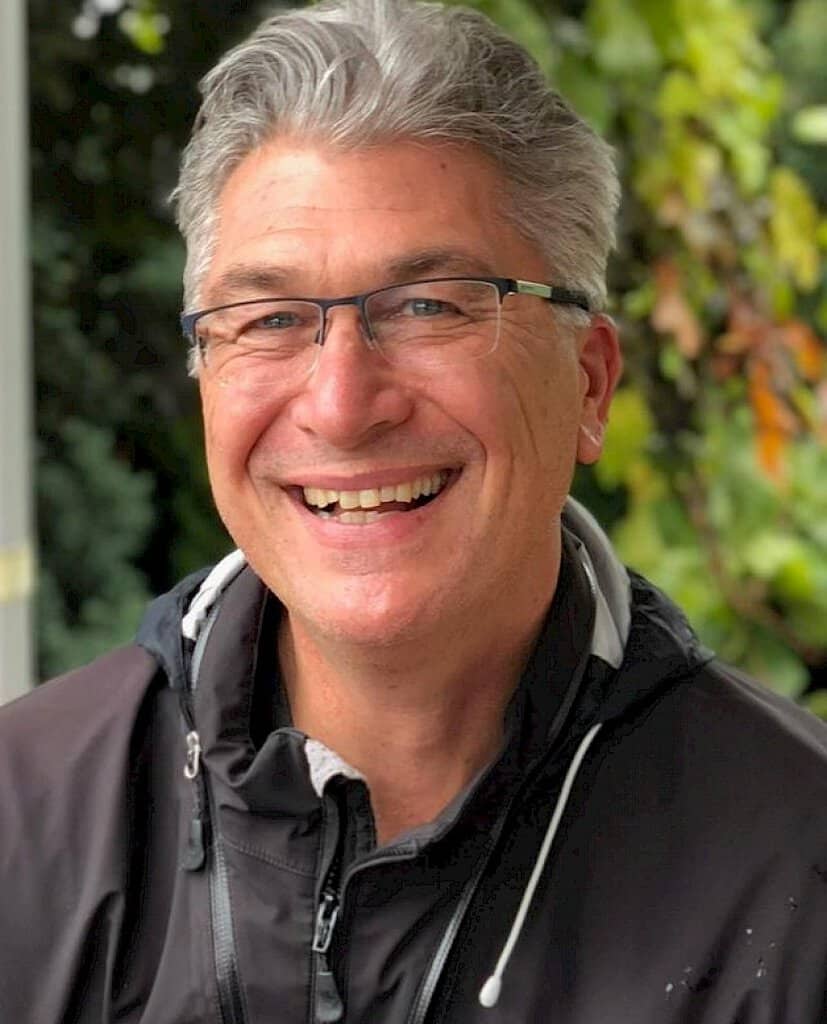
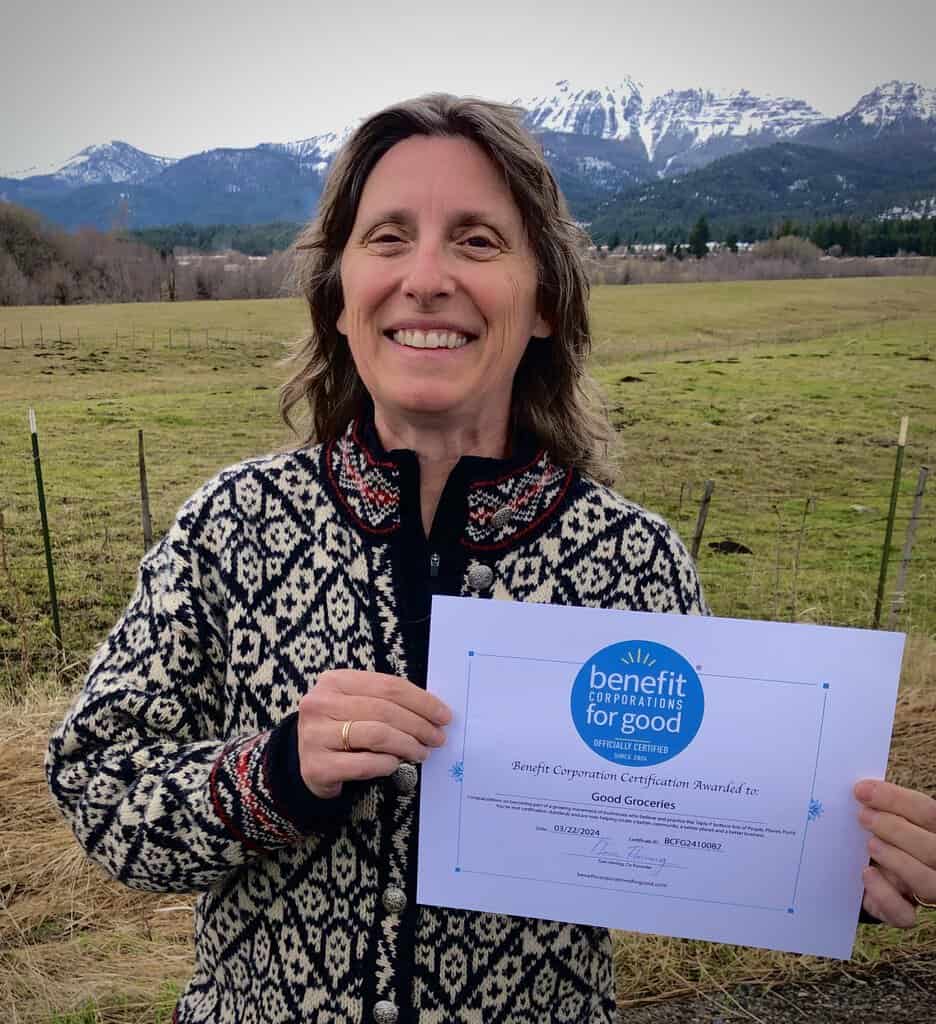
Kim Allchurch Flick: Hello everyone. This is Kim Allchurch Flick with a really, really interesting guest today. This is Jason Yost of who was a permaculture designer in Miami, Florida. Born in San Diego and working with Planet Amor for about four years. He’s passionate about prosperity, joy, neighborliness, and celebrating cultural differences as gifts that we give to each other.
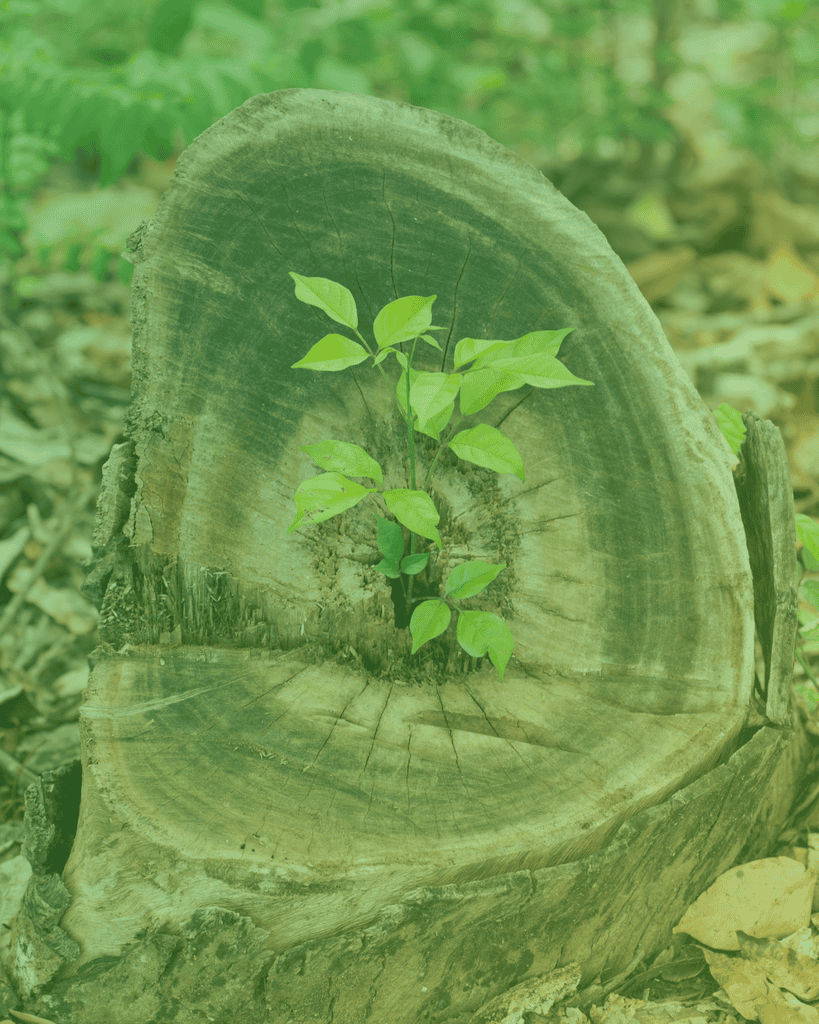
The topic of this is reforestation, improved forest management. Welcome. I’m so happy to have you here.
Jason Yhost: Thank you very much, Kim. It’s a pleasure to finally connect after a little back and forth.
Kim Allchurch Flick: Absolutely. And we met because of B Lab. B Corps companies have what’s called the beehive, which is a place where people share information, and that’s where I found you and planet more.
And I thought, oh. We have to have a conversation, so I’m so glad you’re here.
Jason Yhost: Absolutely. And it feels like, the beehive might be the first really functional application of social media. Kind of feels like a social media platform when I’m on there and it’s just people trying to do good work. So it’s a nice one.
We’re B Corp certified actually, so that was just pending for a while and then now
the last few months. So I just got on there.
Kim Allchurch Flick: Congratulations. Yeah. And as, as listeners know from my company, I help companies certify and my company just re-certified in November. I understand your pain and also the excitement of going, getting it done, so congratulations.
So talk to us a little bit about your, the journey that brought you here to this place in time and what values led you to Planet a more.
Jason Yhost: So I’ve always been a nature lover and a bit of a green thumb. After college I did some farming, just for fun and while I had some other things going on.
And then you fast forward I was involved in some things. I had played professional volleyball for a while in Europe. And then I came home and I wasn’t really sure what to do. I got involved in some tourism stuff and had started a business which the pandemic destroyed thoroughly. And I was talking to a friend of mine and he was a permaculture designer and he was doing installations and all that, and I just started volunteering for him and I loved it, it was nice to be back connecting, digging holes, planting trees, all that good stuff.
And. Over a few years. I, he, right away he offered to start paying me just ’cause he liked working with me and things were going well ’cause I was doing it for free for a while, for fun. And so then I got into it for a few years, worked from for some different people and really getting to learn a lot.
I got certified myself. Did some really interesting like school and apartment projects, really working a lot with kids and trying to replace the food in people’s grocery carts, with things that were growing at their school. And it was pretty cool. A lot of fun. Then I reconnected a few years ago with, at the same time I was doing this with our CEO, who was a friend of mine from beach volleyball.
And we just started chatting. We hadn’t chatted for a while and then he said, Hey, what are you doing now? He’s from Denmark, he’s from Copenhagen. And I said, oh, I’m working in permaculture, this and that. And he said, no way. That’s crazy. I just started a permaculture company. We’re in Peru let’s meet, I’ll tell you all about it.
We’ll talk and come to find out it was this planet of More, and it was one, it is 1000 hectares that was deforested a long time ago I believe by a European agriculture endeavor. And and then sold and left bear. Wow. So it was bought originally by our Peruvian owner. Then my friend Michael, I’ll try and it’s a really beautiful story.
I’ll try and tell a very short version. He was on a motorcycle tour of South America. He’s like a sustainability guy, entrepreneur, et cetera.
At this point, he was in his fifties and in the very remote part in the mountains of Peru. He got in a motorcycle wreck in the middle of the night and serendipitously.
The Peruvian man who owns this land, rescued him, helped him, found them there. They were remote, no hospital, no hotel, no nothing. Helped him get back to Lima, get the bike there, took care of ’em, helped him get to a hospital. Thankfully he could speak a little English. My friend could speak a little Spanish.
So they got all sorted out. Some months, maybe a year go by and he says, I’d like to thank you for helping me. How can I do that? My friend, the my friend the Peruvian guy said, well, I’ve got this land and I know I want to fix it. I bought it to do something with it and I don’t know what to do. And my Danish friend said, I’ll write you a plan.
How we do that? Did it, studied permaculture, studied all these things, carbon markets, all this. Wrote ’em the business plan. And he loved it so much. He said, let’s do this together. Then there came in a third guy as well, a friend, another Danish guy who the two Danish guys had done business and worked together throughout their lives and other things.
And he said, this is the third guy we need to make it happen. And then it was formed and they started planting trees very slowly. As anyone who has any experience in the snows, it goes very, very slow. So I got involved first. Helping to write some grants some uplink grants, and just getting to know the project, started studying carbon markets a little bit to help ’em out.
Giving them some ideas. And then it just blossomed into this relationship where all of a sudden I was in, and we were working together and doing things, and it’s a startup and everyone’s been working for free for most of the entire project. And and here we are now and I’m responsible for a lot of our technology stuff.
A lot of the things that we’re doing, we found there’s, a lack of the things we need to provide transparency. So we’re building a lot of things ourselves. Okay. In order to do things with, transparency, data verification, monitoring, all these kinds of things. We have to piece together a lot that will be, known to the world here pretty soon.
And I do that, I do a lot of,
Trying to connect investors with our land. And
yeah, I do a lot of the white collar kind of stuff you could say. I’ve got my own business here doing permaculture designs, vegetable gardens, that stuff here in south Florida, my blue collar where I go and sweat and get my hands dirty.
And then and then I’ve got this beautiful, beautiful thing. I’ve been to the land in Peru. I’ve seen it. It’s. The most inspiring thing I’ve ever done. When we first met, you said you didn’t want to do anything else, and that was the very same feeling that I got when I was there. I would like to finish this land that we have.
I would like to expand and buy more land. I’d like to move into other countries ’cause it’s really all about, and I think we’re touching on some of the things you wanted to chat about today. It’s really about reconnecting people with nature. We get all these terms, these buzzwords, all these hot things, oh this is, climate finance and this and that.
And really what it is a remembering of how people live with nature. There’s nothing new about what we’re doing. It’s actually, in my opinion, quite old. And we’ve labeled it new and we’ve tried to put science into it, which can help and that’s great. However. It’s just what we’ve always done before we had the capacity to do things at such large scale with technology the way it is, you, you just didn’t have the means to cut down a whole forest in a meaningful amount of time to sell the whole forest.
You had to work with your part and you worked with nature and you found value in having the animals around. So for me, permaculture is just reconnecting people with what’s around them. Reimagining how we deal with forests, improve forest management is one of the real topics now.
It’s like how do we get forest products and have more forest? People will never stop needing what comes from the forest. So how do we do that? And it’s easy. It’s not easy, if everyone gets on board, it’ll be easy. Yeah,
getting
easier more support.
Kim Allchurch Flick: And I think, yeah, what we’re both chatting about as well is people don’t know what they don’t know.
Sometimes we don’t look deep enough into where does our food come from and what are the alternatives if where it’s being sourced from is a burden on the planet, there are some alternative ways to get food that makes the planet healthier. And as you were speaking, I was thinking about the native wisdom.
That there are people even alive now that were children when their land was taken, but they tell stories in the local tribes here about how being out in the forests and in the prairies was like being in a grocery store. Yeah. They knew where everything was. They know the reciprocity of everything.
And then. It was taken away and now it’s a Superfund site. So there’s all this, but I’m also very optimistic. I was mentioning to you a short trip to Costa Rica for almost three weeks, only in eco lodges, but I’d been there before and thought it was beautiful. What I didn’t know when I was there before was it was deforested down to 25% remaining forest in the country.
And when we went back last year, just a few months ago, every naturalist guide to a person said that the country has invested, and it is now re forested to slightly above 50%. And a lot of it is small plots, small farmers who are doing everything in a biodiverse way, which means native plants are growing with crop plants.
The crop plants are native and they, every single one of them won’t buy a pineapple if it’s mass produced. They will if it’s off of their farm, but it’s changing a country. And so what we’re going to talk about during this time is also how can we think as individuals, even if we don’t have land, but if you have something or know somebody who does, how can it shape our perceptions about a, how we buy, what we think about, where our food comes from, and helping others who are the heavy hitters, like Planet Amor, who are doing some really big things.
Jason Yhost: Yeah, I I’ve been able to have some really interesting conversations actually with people because in South Florida, I live down here in Miami and most of my time has actually been spent living in Fort Lauderdale. Just for those who are detail oriented and really care, it’s just normally easier to say Miami.
And we have some really interesting issues, obstacles, heat flooding. Income inequality, all of these things, right? Like I, I personally am not on a crusade against wealthy people. I just think there’s a bare minimum that everyone can be afforded and we can probably find that, scraping the barrel a little bit.
I think, such a place like the United States could really provide a quality of life for others. And, wealthy people, that’s cool. Most of them work very, very hard. I think, not to go on this crazy tangent, but I think wealthy people often don’t get enough credit for how hard they work and a lot of the, where their mind goes.
And we have some really interesting dynamics here and I’m constantly preaching to everyone about how we need more trees. Trees will solve all of it. We have flooding problems, let’s. Plant trees, let’s we don’t see animals anymore. Let’s plant trees. We are hungry. Let’s plant trees.
It’s too hot. Let’s plant some trees. We can do all of these things and solve so many of our problems. And, I’m constantly on this work to get people to replace their ornamentals with natives.
Kim Allchurch Flick: Natives, yes.
Jason Yhost: We, it’s like I recently met a park ranger who gave me A-A-P-D-F that somebody in Florida had produced where it’s like, if you wanna produce or if you wanna plant this, consider planting this instead.
And it’s all this beautiful, like substitutes with flowers and butterflies and birds and it’s really magical. And I think that those are some of the, when we say we don’t know what we don’t know, it’s sharing with people the value in that. I think that this is such an interesting place because it’s, it’s hard to talk about certain things because it automatically comes, with the climate of our culture at the moment. If you have an opinion, it comes in a basket of all the opinions. And so I tow the line here a lot with the conversations that I have. And it’s also unique because even the most diehard of people that you would think normally are not gonna care about the environment here, they love it.
They’re water people. They love the Everglades, they love the ocean.
They love their stone crab and all of these things, and they see the value right away their houses on the intercoastal, on a waterway. And so we can bridge a lot of gaps. I always talk about let’s think about it simply, let’s talk about water.
Do you feel comfortable drinking the water that comes from your faucet? Do you feel comfortable diving into the nearest waterway? Could we maybe reimagine how we’re treating that? There’s muscle repopulation programs in the intercoastal to start cleaning up the waterway, right? Like, I think so much common sense has been removed from our system, and I think that’s where we start.
We start by sharing with people and connecting and meeting ’em where they’re at and finding what they care about and saying, Hey, this is how it’s deteriorating and this is a really simple way that we can bring it back. I don’t want to take things away from people. I want to have healthier systems so that we can all have more and have easier lives and enjoy our lives.
And I think generally speaking, that if people feel like their baselines are taken care of, they have the capacity to care about others more. This watching out for themselves, and the selfish mentality comes from feeling not safe. And so if you could feel a little safer, if you could feel like the people around you were your allies instead of trying to come to get something from you, I think in your intro I had forgotten that I wrote that neighborliness is something that I really pray for a lot in my life.
And it’s it’s like a fundamental thing that to me is what it is to be from the United States to be an American, you could say. And I think that comes with a level of caring about the people around you. And I think that’s missing from us a bit. And so that’s, being willing to talk about a group of people the way that you might talk about one person.
We all,
you
could point to any group of people that has a stereotype, however, everyone knows someone who isn’t that. And it’s like, we’ll begin to talk about that group of people the same way that you would talk about that one person that you actually know. And I think there’s so many of these simple common sense things where we be kind to each other and we start to just pay a little more attention.
And that’s where I think all the change comes from, whether you’re a big fish or a little fish, I shared with you earlier the universal arises from the specific, it’s something that, that really touched me in my life when I heard it, the idea that nothing was something that everyone did until someone did it, and
until someone did it, and it catches on. And so these little changes that feel like it’s too much for one person to do that’s just not how it works. If you want something to be a trend, someone has to do it first. Someone has to be a thing. And let that be inspiring to others. Let them see you. We all probably have stories where we’ve been touched by something that someone did and they didn’t know we were watching, or they didn’t know that we knew that they did that.
And we carry that with us in our lives. And so lives
Kim Allchurch Flick: Indeed. And sometimes just a little pearl of information. Like this happened to a friend of mine who started a restaurant based on the information that a hundred percent grass fed beef is much better for the planet and the individual than factory farmed and veganism is important too, but this is just to, to share some information.
And his doctor told him that if he was going to eat beef at all, to eat a hundred percent grassfed, so he’s the kind of PhD scientist who did a deep dive on it, came out with Joel s you know, regenerative ag and. Books and data that showed why. And the why is stressed animals are like us. If we’re stressed, we’re not healthy.
There’s high. Cortisols affects our lipid levels, blood pressure, everything that passes on down the food chain, grazing animals. It’s known that grazing is important for grass, for prairie, for a lot of things. And every animal contributes in terms of manure, which is healthy. Walking through it and cutting the grass makes everything healthier.
And they’re healthier because of it. They’re eating things, their bodies were planting seeds, seed, stomping those seeds into the dirt, making the soil healthier. So the seed bank is so much better. And there’s a couple of films that talk about this. Kiss the Ground common Ground, which is the sequel biggest little farm.
And there’s another one called the Serengeti Rules. And it’s more of a global film, but it’s a beautiful film about what is an apex predator and sometimes apex species are grazing animals. Why It makes the world so much better. And anytime I drive by a field that someone’s plowing and dust is rising up, I know the soil’s not healthy just because of watching one of those films saying, okay who’s planting their crops with cover crops?
Who’s doing it? So the soil is getting healthy and everything you’re talking about are things that we can think about doing on a small scale too, even in a backyard. And so I was wondering what, you’ve talked about the problems that that were first noticed when the, your company was started.
What are the problems are rising up that you see in the company sees as problems to be solved and what’s happening around you, where people are catching on?
Jason Yhost: Wow. So I think there are, for anyone who’s involved already in the things that we’re doing who might be listening, they know all of the bureaucracy that it takes to do this. Yes, how expensive it is. That’s been actually one of the most mind blowing parts to me, is for all the good intentions, it is not easy.
Our biggest problem is, yes, funding to scale, to pay more workers to be able to commit to a salary for people there. Like we’re creating a bunch of jobs and we can only create what we can guarantee. We need better greenhouses, more greenhouses. We can, we’re really interested in scaling up.
Workers. So we need more places for them to stay. It costs money to to get the materials there, to build and to assemble all that, all of these things you would do to scale up. Eventually we’re gonna be planting with a thousand hectares, we’re gonna be planting far away, so that’s gonna take investment to be able to make that possible.
Iot devices, all of these things that come with not just a forest, but also what you might need for carbon credits or for B Corp certifications. Sure. Like liquidity must be everyone’s number one issue when it comes to on the ground. I would say from my time there, speaking for myself, I think if you were talking to one of our owners, you would get different answers and they would also probably be very interesting.
For me, the biggest hurdle. Is is helping the, because we do a lot of support for the local people we work with the, we work with, local communities as much as we can. We do a lot of support, some interesting things. And I’m 90%, maybe 99% sure that basically all of them, except for maybe our engineer and some of our workers, don’t grasp exactly what we’re doing.
So Ashika is like a huge, there’s millions of people with different, I don’t know a ton about it. I just know that it’s, it’s a, people from the Amazon before these borders of countries were here. Okay. And so they’re extremely buried from A to Z. What type of practices remain?
What new ones they have? It’s a huge community and so I, I certainly don’t speak for all of them in our area. I can only describe it as disconnected. They grow yuca and plantains and like sweet potatoes. We get all these interesting local things, Peruvian things. And the main staple for many people is rice with a small side of yuca and potato and plantain, right?
Like they’re buying an imported starch that has basically the same digestive function as most of it. And having smaller portions of these foods that they grow around them. It’s almost like someone played a trick on them and convinced them something. The last time I was there we picked vegetables, peppers, and turmeric, different things
From the garden right outside the kitchen on the land there that they the lady that we pay when we go and visit, we hire a lady to cook meals. We bring like investors and different things down to see it. It’s the most touching special. I absolutely love it. It was my Thanksgiving last year.
Thanksgiving’s my favorite holiday and I went down there instead and I had two pieces of white bread. ’cause we got there late and, it was like a little late night snack. I had two pieces of white bread with a fried egg as my Thanksgiving dinner and it was like, it was so touching.
Normally I go crazy. But, they, it took us going out there to pick the things and in showing her how to incorporate them into the food, she didn’t realize that there was food and things out there. They were buying like broccoli and rice to feed us. And it’s like, I don’t want this rice, I want twice as much yuca, plantain and sweet potato.
And it’s, and you don’t go demanding things. You don’t want to go and tell people how to live. It’s like showing them and reconnecting and inspiring. Like we, this is my favorite story.
Absolutely.
They under, they have chickens, right? They know chickens give you eggs, you can eat the chickens, whatever, the ducks.
No. So we gave them ducks on the land to start breeding the ducks. Then they can get eggs and eventually we can be eating ducks. Just trying to provide food sources. Biodiversity, the whole thing, right? It’s a fantastic thing to have more animals. And it’s like a working farm and people live there.
They go, you have to get there by boat. So they spend a few days there at a time, and then they go home and back and forth. So there has to be lodging, food, a kitchen, et cetera. Right away they just ate the ducks. No more ducks. And when you scale that out, when you extrapolate that to all the changes we would like to make and all the things we would like to do to improve the quality of water, right?
I don’t want to tell anyone how to live. I wanna make sure they have clean water. I wanna make sure their food is good. I wanna make sure that they can meet the opportunities that they want for themselves. Live the life you want. Not really a too much concern to me. As long as it’s a good, healthy one your children have options.
You feel safe, you feel well fed, right? And so there’s a minimum need, kind of what I touched on earlier, where we have to touch their lives and inspire their lives, the local people and let them see a benefit to their own lives personally, in a small way in their stomach, in their kids’ opportunities, in their wallet.
Somehow that, oh, I’m interested in what they’re doing. Nobody’s listening. We can’t show up with a thousand ducks and say, now you have ducks. Your problems are solved. That’s like a month of good eaten, and the ducks are gone. What it is two ducks, four ducks per family, three families over and over again until they really are like ducks.
I love this. Thank you. And they tell somebody else. And those people want ducks. And in a year, then there’s a thousand ducks because we started one at a time. And if somebody eats the ducks, we give ’em four more ducks. And we say, try it again. You see those guys, they got eggs, there is there is this level of disconnection where they’re buying food, buying medicine and buying water, we can clean the water instead, they can have clean water themselves.
These kinds of improvements and. I before I went, I thought it would be easy to do that. And it’s not. People have to really it’s like the old saying, I used to do a lot of coaching. And especially with young kids, they say, and maybe teachers know this, they don’t care what you know until they know that you care.
And so if you are less hungry and we sit down and we have some beers, then maybe you’re listening to me about the ducks. You’re not listening to me about the ducks when I show up and you speak a dialect that I don’t understand and you’re not listening to me and I get that.
I wouldn’t wanna listen to you either. And so working like, can we produce things at a higher quality on our land in a really good regenerative agriculture way? That cost slightly less. Like organic people are not gonna pay extra for organic. They don’t care. Nobody cares. And so they just see that a kilo of limes is 5% cheaper, 10% cheaper, the quality is as good or better.
And then they’re interested and they notice that maybe our presence is helping. And they’re curious. They see that we helped send a kid who wanted to study something to a university because she was really interested in music or art or agroforestry or engineering or whatever, and it wasn’t gonna happen.
And we were able to help with that. Then they’re gonna listen. And so there’s the way, one of the biggest obstacles is, the World Economic Forum has nothing to do with the Han Inca. They don’t care at all about the un And these goals, they don’t care at all. Zero. Explain a carbon market to them.
They don’t, they, it’s, they could understand if they had some idea of the reality that we are living over here and they don’t care about any of that. And so finding ways to connect with them to improve the life of the people around there, to make a ripple in a way that is inspiring, that we can have clean water, clean food, less import, right?
I would love for them to import less rice from Asia or wherever that rice is coming from and stick to local products that are more delicious, healthier, cheaper, just all, it’s just all around better. Of course you can still have rice if you want it, but that’s not the biggest part of your plate.
So that’s where I find, hopefully I answered your question. I, I find a lot of words very easily
Kim Allchurch Flick: I think you’re touching on something too. And a lot of it has to do with perception and. And it makes me think about what people see now, what is their perception?
A golf course can look beautiful to someone who doesn’t know what was there before or didn’t think about it. I grew up in England where when I was a kid I thought pastures and mall and hedgerows were absolutely beautiful and rolling hills and all of that. And then I grew up and start learning more and more about what was there first.
And those are overgrazed and England is in trouble. And there are people like a man named Jake Fis, who wrote Land Healer just recently about, I was trying to turn that around, but I hadn’t seen a forest in England except maybe a couple small spots and what it would mean to reforest. There’s a farm in England called the nep, K and EPP that was dying.
And Elizabeth Tree and her husband decided to do something differently. They were almost going bankrupt. And she wrote a book called Wilding about the 20 years of them bringing a variety of grazing animals in not to eat, but to actually wander to plant some more native plants to save an oak tree that was living by itself.
And oak trees like to be closer together and to really learn about healing the soil. And now they have a place where you can go and stay in a tent and eat from the land and tour and learn. And it’s our perception. And I brought up golf courses because there are a couple places now that are actually reforesting golf courses and turning them into public spaces for everyone.
And the amount of water it takes goes way down. The amount of heat generated way down, the amount of joy for the people that are visiting way up, more birds, more all sorts of things. And in Costa Rica, that had been down to 25% deforestation. We stayed in two eco lodges, one in the Caribbean side, one on the Pacific.
And on the Pacific, a man from France came in and bought it cow pastures. And now it’s 10 years in. And he said, with planting, he said, the first ones to show up were the birds. Took five years for the monkeys to come back. And when they did, he said, now I know I’ve made it. Now I know that this is a habitat.
This is a biodiverse habitat where everybody gets to play and be in like a, it’s a community and how important it is to support all the layers from soil to pollinators to bigger creatures. And I think that’s what you’re talking about. And, but you talked about the obstacles. Some people are against that.
Some people see land is developable for a lot of money. How can we balance that as a species? And I was wondering what makes you optimistic and what can we tell people to look for, even if it’s small, to think about ways that we can support what people like you are doing or the biggest little farm or people that are truly doing regenerative ag.
Where I live, Carmen Ranch is the first, I believe it’s the first regenerate certified ranch in the country. Because she’s actively restoring tall grass prairie with a hundred percent grass fed beef. And even if people don’t eat the beef, know that that land is becoming healthier. So it’s sometimes it’s not about what is the cow part of it, except they’re the ones making the land better.
And how do we reframe things? So I was wondering if you could speak to that a little bit about what people can start to notice, how they can contribute, how they can contribute to planet and more so you, your work grows bigger and affects more land, more people. How can we make progress together as a community when we don’t always see that there’s a problem?
Because what we’re looking at, like a golf course or a beautiful pasture look beautiful. And yet can, our framing is all what we know.
Jason Yhost: That’s true. My, my favorite example actually, i’ll touch on one and share maybe a little more in detail. My opinion on the other. One that most people will probably know is most recently we had this soybean debate, this big debacle about what are we gonna do with all of our soybeans?
If I’m not mistaken, the government subsidizes the farmers to grow those soybeans. Someone is in the comments or knows better than me please help. I believe we make that viable for the farmers through subsidies and the fact that when there was not a buyer for our soybeans, right?
We just had this big thing with China and they buy the majority of our soybeans, but they also don’t eat, they give it to animals. And that’s a separate thing. So we spend all of our resources to feed animals in other countries, which is absolutely insane to me. But never once in the entire conversation did I ever hear anyone, no matter what their opinion was.
I’m shouting from the rooftops, but nobody’s listening is, how about we just let the farmers farm? How about we stop subsidizing the food that isn’t food, that’s, that we can use as like a leverage tactic and other countries are using as a manipulation tool. How about we just let farmers farm? I bet they don’t want to grow only soybeans.
I bet they’d like to plant trees and have animals and have healthy biodiverse systems where they feel comfortable walking outside and eating their own food. I feel like we have enough land in the United States that we could start to localize a lot of people’s products. So much of it, imagine all these subsidies go to helping farmers convert to biodiverse stable systems to improving the logistics and supply chains of connecting local people to their farms of sharing all the data.
Like, all you have to do is listen to the testimonials of farmers of ranchers who have switched to letting their animals graze. Like there, there isn’t a single, I’ve never heard of anything. Maybe they’re out there of somebody saying, you know what? This made things worse. I have to go back. I haven’t heard it.
I haven’t heard it.
Kim Allchurch Flick: I agree with you. And that brings me to those two films. The first was Kiss the Ground Second, the sequel Common Ground. About that very thing. And there’s a farmer in both movies who was losing so much money because the industry had said, you need all these chemicals to support your soil, to give the plants more nutrients, all purchased.
And his boundary is with another farmer. He decided, no, I’m going to do this differently. I’m not gonna plow anymore. I’m gonna have cover crop. I’m not, I’m gonna regenerate. I’m going to throw compost back into the soil. We’re gonna churn everything back into the soil. And there is a line where the neighbor is doing it.
The well, the current more factory ways. Conventional way. Yeah. Would say conventional. And that land looks almost barren next door to the southern man that it bounced back. And I’ve noticed. Even in a small forest that I live on that is being regenerated with the help of a grant from Clark Conservation District the person who owned this before us used to mow down in the forest.
We started letting everything own except for noxious weeds and just have pathways. And in six years, more and more comes up each year. And one of the experts that was down here was saying, it’s the beauty of a seed bank. And when you, when a tree falls, leave it there or wood chip it, put it back on, let things start to rot back into the ’cause.
It’s not wrought in a bad way. It is, it’s a beautiful cycle of nature to have things be able to go back into the soil. And I started taking pictures year over year to see the change because you can’t always remember it. There’s a place where the first picture I ever took it was just trees and nothing but moss.
Now it’s several species of ground cover and medium sized shrubs. That all came from a seed bank that was just waiting to be left alone.
Jason Yhost: Waiting to be left alone. Exactly. Yep. Exactly. Yeah. I think of all these kinds of things, and I think I tend to be kind of a one trick pony.
I have a lot of opinions about a lot of things, and really it just comes down to like common sense and paying attention is like my number one thing. The other example that I, that we don’t have to dive into, ’cause it isn’t exactly nature related, it’s similar in thought process to me, to the soybean thing, which is when we maybe a couple years ago we had the big baby formula thing, and everyone was losing their mind, we don’t have enough baby formula.
What are we gonna do? And. Never once. Never once did I hear a conversation about breastfeeding. I get it, that maybe there are not, maybe there are women who can’t breastfeed and they need formula. However, if we were having actual conversations about women’s health and about nutrition, then there wouldn’t be, there would be plenty of formula for the women who actually naturally couldn’t breastfeed.
That must be such a small percentage compared to the norm, right? And not wanting to is not the same, right? That’s a stigma thing. That’s a cultural thing. Never once did we have a conversation about women’s health, about breastfeeding, about why do we actually need all of this baby formula.
And we don’t have to dive into that. However, there’s all these things, right? When the conversation starts about formula, about soybeans, I’m like, why are we talking about this? It’s all dumb. Why are we arguing about the best way to preserve a system that doesn’t help anybody? It’s like, it just doesn’t compute to me.
And so that’s naturally where I go. You asked me about staying positive. I’m just like that. It’s never had to be any work for me, to be honest with you. I just am happy to be alive. I think the world’s wonderful. And, for every problem there’s a solution, and it’s like, where does your mind go?
If you were to tell me that you were thirsty, I don’t sit around thinking how sad. And imagine a dry mouth. I think of water, maybe a beer. If you’re old enough, maybe you’d like some juice or some lemonade. Like, where’s a water fountain? Do you have a bottle? Like, when you tell me you’re thirsty, that’s where my mind goes.
I’m just like that. It’s easy for me. I love being alive. I love connecting with people. I love. All kinds of things. And for me it’s easy to make that connection to, I don’t dwell on things, I’m pretty sensitive to negativity. So when people start saying, a lot it’s you’re gonna get whatever you focus on.
You’re part of shaping all of this, just like the rest of us. And so our attitudes mean a lot. The effort that we give, it’s, it’s kind of that universal to the specific thing is do you want to complain or do you just want to be able to live with yourself? Like I pick up trash everywhere I go.
I have this big project that I’m working on for the city of Fort Lauderdale. There’s a venue, a big festival where they leave a lot of trash on the beach. And I’m kind of on this crusade to, to get some accountability so that when it’s over, they clean it up. And I pick up trash everywhere I go, boom, boom, boom.
I just put it in my pocket, I throw it away, whatever. I don’t pick up gross stuff, but and it’s easy to be like, how can people don’t throw away their trash? And then, and it’s easy to feel overwhelmed and it’s also easy to look at that and say, if I don’t pick it up, it’s gonna sit there and at least that one won’t be there anymore.
Kim Allchurch Flick: I call this karma pickups that it’s not my trash, it’s somebody else’s, but I still picked it up. So the world’s a better place in that little,
Jason Yhost: yeah. Yeah. That’s nice. I frame it a little different. I just say there has to be balance in the world, and there’s some people not picking up enough trash, so some of us have to pick up a little extra.
And then soon everyone will just be responsible for their own. And so there will be balance and nobody has to pick up more trash than their own. That’s where my mind goes with that. But it’s the same as the karma thing. It’s just I don’t get defeated because things are a certain way, I always imagine that.
Things are a pendulum and we’re swinging back the other way. For everything that’s happening, there’s a bunch of people who are sick of it, and no matter what you really believe in our society, I believe most people are very level-headed, very reasonable, ready to be neighborly.
And really we live in, now get a little, bigger picture. We live in a giant propaganda machine, and what that machine feeds you is the really extreme ends of everything. And the majority of us live in the middle. However, many people are not stopping to think, wait, this person actually doesn’t represent no matter what they believe.
This person doesn’t really represent what most of us think. And if I talk to anyone that I know, they’re far more reasonable and level headed and somewhere falling in this just want everyone to be happy kind of area. And so it’s easy to feel overwhelmed if you have that sort of personality where you think that the person screaming way over there and the person screaming way over there somehow represent most of us.
They don’t, and it’s, there’s no money in, there’s no revenue, there’s no profit in letting a bunch of reasonable people be the voice for the majority, and so in knowing all of that, I just, I don’t get too down, I just like, I don’t think that we can really pollute water. I don’t think that we can ruin nature.
I think we ruin water for ourselves. I think we ruin nature for ourselves and the other animals that are around. And if we make it bad enough, we are toast. And then nature will be fine. I don’t grieve for the earth, it’s not the earth. It’s not nature that suffers, right? Like it’s a very.
Arrogant human thing to think that we can contaminate water and somehow the water is ruined. The water is the water, and the stuff in it is bad for us. The water will be fine and eventually the water will figure out how to clean itself. The landfills are cleaning themselves. All that will sort itself out.
It’s just us. We’re cutting ourselves out of the equation. And that is something I would like for us to also keep enjoying life and live it in a balanced way, so I don’t think that I think it’s a human thing to think that humans are in control of everything and we’re not. And I find also a lot of peace in that, we’re gonna swing the pendulum and it’s gonna swing.
And I think, hopefully it lands in the middle. I don’t know if that’s ever a thing. However I’m full of optimism. I’m full of belief in the power of nature and the power of inspiring people. And, that’s just where I’m at. It’s easy for me to be that way.
Kim Allchurch Flick: Can I share a couple of observations that were sparked in me while you were talking and it’s observations about where I live, but I think we can all ask questions wherever we live or wherever we go.
But in the Portland, Oregon area of what I’ve noticed is there’s, over the last 20 years ago or so, and I didn’t even know this until recently because of the expert who does the planting, but there’s been an increase of what’s called bioswales where instead of putting water down a storm drain from the road, ’cause we get heavy rain here, it goes into a bioswale and they’ve been able to test it and they know how much pollutants and matter are captured that are not going all the way down the sewer system.
So that’s one on small scale. There are so many nonprofits that are doing really niche and wonderful things. Like we have growing gardens, which deals with. Underprivileged and underserved communities to help them with gardens, even if it’s as small as containers on a patio or a deck. But they work in larger scales for community gardens as well, and they’re teaching people how to grow food, how to create nutrition out of it.
And it’s such a bonding experience. There’s another one, a friend of mine has created a nonprofit to make medicinal gardens so physicians can actually write a prescription for these people to be able to go and cool and get the produce as a prescription. Friends of Trees is planted well over a million trees now, and we have a problem in Oregon where I’d say probably 30 years ago, plus no one built buildings with air conditioning, but heat in the summer that.
Demands it. And most people who are underserved can’t afford it. So trees are a big part of that shade really, really helps. And underserved communities often don’t have the trees that richer communities. Do you know these organizations are doing that? And on scale from local, the things that you’re doing internationally as well?
I think what we can all think about is what’s, what small things can we do on our own? If we don’t work in an organization that’s doing really, really big things, what can we do on our own? And then also, who can we support? Who are the heavy hitters, like Planet A more that we can support? So we’re all making a con contribution for regeneration.
And it, and I know a lot of the references I had like Reading Healer, it’s quite scientific. It’s a wonderful book, but lighter reading is anything by Robin Wall, Kimmler about. Reciprocity and regeneration. She makes short books that speak to the heart of exactly what we’re talking about, and it brings in community as well.
And another thing that just recently happened, and this involves the local tribes as well, is there are dams all over the place in Oregon and four were taken down, I think four four at the Oregon California border. It’s the Klamath area. And Senator Merkley was involved in that as well. Those dams came down after 60 years of no salmon.
And wow. There were plantings like hun, tens of thousands of new plantings along the stream bed, making the stream better for young salmon. The native people reported that they saw salmon coming back within four to six weeks.
Jason Yhost: Wow.
Kim Allchurch Flick: If you give nature a break. It’s amazing what can happen. And the same thing in Washugal Washington, a smaller dam that was built for Girl Scouts primarily 60 years ago so they could play and have camping and getting canoes.
The water level got so hot, well too high and too hot. Salmon couldn’t live. And on the Wild Boy, boy Creek that comes out of that, they decided with the tribes to take the dam down. It’s a process. You don’t just knock it down, gotta prepare all the downstream. The stream had been denuded to bedrock and salmon can’t live on bedrock.
They need organic matter. They planted, the dam came down within six weeks they had salmon, DNA. Wow. Amazing. So that makes me so optimistic. If we give things a chance to breathe the way they were supposed to. I’m a big com proponent, and I know I get pushed back on this ’cause people love lawns and they’re a place to play.
Think of something else you can put there. Lawns take a lot. They release a lot of carbon. They take a lot of water. Yes, people like to play on lawns, but as I have literally killed a lot of my lawn through, shading it out and put in bark chips and pathways and ground covers that the dogs can run through by water.
Less the number of birds and butterflies and all sorts of breeders that are, and it’s a small little backyard.
Jason Yhost: And your trees,
if there’s trees there, they’re probably doing better.
Kim Allchurch Flick: They’re every, everything’s healthier. And it’s such a remarkable thing to think about, but there was a time when I thought lawns were beautiful.
I don’t anymore, but it’s, so we gotta give ourselves a little grace for having grown up with, ’cause most of us were born after a lot of deforestation. After a lot of sub developments with lawns. So we didn’t see what was before. So I want to really say that giving us all grace, that we only, we have a baseline and that baseline may be devoid of the knowledge of what the possibility of what had been.
And to see something regenerate and come back can help us reset. And that’s where we can see beauty again. And to me, a forest with trees that are half down and all sorts of variety of plants coming up to somebody it looked, might look messy and chaotic. Nothing’s in rows, but to me it’s abs absolutely beautiful.
And I think that’s what you’re talking about as well, is there’s a new beauty to be observed. And that’s in the movie, the Serengeti rules too. That’s about nature being regenerated. There’s, it’s amazing what we, what I didn’t know. Was possible when we leave nature alone.
Jason Yhost: Absolutely. It’s really amazing.
Really, really amazing. We got it took almost no time at all, and we got leaf cutter ants back on our land.
there, there are, we have two kinds of monkeys. They don’t come into what’s been reforest yet. They stay, we have some places in our plot that were never cut down.
And so those stay preserved. And so they, they tend to live in there. I think they know that they could be dinner, to be honest with you, if they come around the people there will, if it looks like it has meat on it, it could end up on a grill. So I think the monkeys are smarter than that, than to come around.
Eventually they will, but yeah, I mean it’s really amazing how nature works. In terms of making an impact. I guess I would start with like an individual level. We talked a little bit in the beginning, I like to take my own to-go cup, whether that’s like my metal steel thing to get my coffee or my little ceramic espresso mug.
If I don’t have the other one, I’ll take that and I’ll ask them to put my to-go coffee in there. Typically your small businesses are the ones that will do it and the big places are the ones that won’t anyway. So you’re doing yourself also a favor avoiding that moldy giant brand coffee.
It’s got mycotoxins in it, so watch out. Those little things. For me, like every time you’ve mentioned the balcony gardening, I think of the value of connecting kids with food and with plants. Like adults are gonna be adults in some care and some don’t, and there’s not really much changing that in any significant way.
However children are the action. I, I remember when I first started doing this, my first project I ever worked on, we built. A food forest, a farm, like row beds, this giant thing in a school. And there was this particular tree that was always fruiting. These little red berries, we call it like bubble gum tree or Jamaican chariot has all these cute names and the fruit are delicious.
They’re highly perishable. You never see ’em in the store. It’s a beautiful tree. And I would eat a bunch while I was working. I’d be working, I’d eat some, and the kids would walk by and they would look at me like I was crazy. The idea that somebody would be eating something from a plant was entirely foreign to them.
If it doesn’t come wrapped in a bag from Publix, from the grocery store, they do not recognize it as food. And over a few years, slowly, we had a garden club. We had kids taking things of produce home. The, when the kids were walking by the tree instead of looking crazy, they would
Show their friends how they were edible. And they’d all be picking ’em and eating ’em. And those are the ones who grow up to care about having their herbs on their patio. Those are the ones. If a parent is out there and really wants to affect the world in a meaningful way, grow some cilantro on your balcony.
Like if nothing else, it’s cheaper, it’s more delicious. They’ll have fun planting the seeds. The, you can send them down ai, rabbit holes. You’re not gonna stop them from the technology, the computer stuff. So give them something interesting and meaningful to study. Tell them to tell you all about it.
Find out about soil. There’s interesting videos and books. If you can connect kids with food and disconnect them from the idea that everything has to come from the grocery store. We’ve solved so many problems at once. We’ve solved people, getting outside, getting fresh air. We’ve solved a nutrition problem.
We’ve solved a sustainability problem. We’ve solved like a circular finance kind of thing. We’ve taken at least a little bit of the revenue from these giant places that don’t give a crap about you and probably put it somehow in some, unless you’re getting, everything from Home Depot.
Find a nursery around you. Be really mindful. You were talking about grass fed beef to tell a personal story, I tried for a while to stop eating meat. And it was terribly unhealthy. My, and I was with a woman at the time who was like vegan while she was a power lifter, and we were doing all the beans and doing all the, doing all the food, right?
I’m not a processed food kind of guy. Like I was eating a ton. I was doing my best with all the, mushrooms and chickpeas and black beans and all these ways you can get all your protein and all that. And my hair was brittle, my nails. I looked unhealthy, I had no energy, and I couldn’t eat enough by the end.
And I started eating meat again and I instantly felt better. Like right away. There are just those people who are not gonna be vegetarians. We’re never gonna force veganism or vegetarianism on the world. As an American, I highly resent the idea that people would produce these like fake patties and try to convince us that it’s somehow healthier than, this processed fake meat is somehow a healthier and more environmentally sustainable alternative to animals.
This idea to me, and I’m probably ruffling a lot of feathers when I say this good thing I did it at the end is I don’t think that burping or farting cows are an issue at all. I think that people who want to change what we feed these animals so that they’re less gassy, I think that is stupid. Sorry to be offensive.
However, if we put these cows in pastures where there’s biodiversity, nobody’s talking about the methane, are there more grazing animals and cows now in the world? Or are there less trees, bigger cities, more people, entirely different cultures, right? And so I don’t think that, I don’t think that old things are the problem to our new or to our new or the cause of our new problems.
I think the way we treat animals, the way that we farm, the way that we do all that is an issue. And so I’m less about these high tech solutions, the stuff you can spray on grass. I had a long conversation with a guy who said, it’s made from seaweed, and it’s so good and it’s so interesting. Like maybe that just doesn’t seem, that doesn’t seem like there’s a lot of common sense, and so I’m all for natural common sense solutions that make people healthier. I think where we spend our money matters. It really matters that you support that farm that’s trying to produce beef in a different way. Unless you want Bill Gates who owns all of your farmland to tell you, you know what nutrition is, you have to support the small farms.
You have to support local. You have to care about what you’re putting in your body. You have to reconnect children and your family with plants, with this idea, even if it’s something simple, growing a flower watching a butterfly turn or caterpillar turn into a butterfly. All these little things they really, really add up.
And that, so if you wanna do things in your life, care about where your money’s spent, care about the trash that you’re making. And I think in just a way, I’ve probably by now saved thousands of to-go cups by just bringing my own assuming a little personal responsibility, making the commitment to remember it.
To clean it, you’re gonna forget whatever, right? And you need your coffee. You forgot that day. Ha. Like you said, have the grace with yourself to just take the to-go cup. That’s fine, right? As long as it’s not millions of people every day after day, billions of cups every day. I think if you’re a, an entrepreneur, a small business, consider, especially if you have a lot of regulars, consider rethinking how you do business.
If you’re a young person and you wanna start a business, consider that. You don’t have to subscribe to the same rules that were laid out to you. Some of it makes sense and other things don’t. My favorite example is I bartended for a long time and people always wanted to go cup for their water, and I always dreamed of just being able to say no.
If you want a glass of water, I will give you a glass of water. You can sit here, I’ll give you 10 glasses of water. You can drink all the water you want. If you have a bottle, I’m happy to fill your bottle up with water. I’m not giving you trash that we paid for, that you expect for free, that I’m gonna pick up in the parking lot later, half full anyway.
Because you think right now that you’re thirsty, wherever you’re going is between five 20 minutes away, there’s water there, you’re gonna survive. That’s my dream for businesses is to say, no, that’s dumb. You expect something that is unreasonable, and this is actually how we play it here. Thank you for your understanding.
Thank you for caring. I think there’s an overhead in business that comes simply from cultural expectations that can make it easier. You don’t want your food to get more expensive. Stop demanding garbage just comes to you automatically, like you deserve it. I can I got a lot of strong opinions about things and I sometimes I could use a prettier bow on the language.
However, I like to just be really straight and that’s really what I think, is we can readdress, we can address our relationship with convenience, with what we expect from people. With what we see as disposable. We can reconnect children these kinds of things. And that’s in the small day-to-day life, we can control where our money goes.
And they trick us with packaging and it’s okay to make mistakes, right? And we all have a computer connected to the world in our pocket that we can check on a brand if it’s really important, those are the ways I think you gotta always check the back. The front they say is advertising and the back is information.
So always look at the back, your, that’s good of your products. And then when it comes to the big picture stuff, there’s a lot of big projects out there. A lot of really great ones. I personally wouldn’t plug any of them. Now I would take this moment to plug us at Planet a more like every single project, we always, the number one thing you can do for us or any project is if you have it, is always investment. Some sort of liquidity. Invest in infrastructure, invest in some way, find out, if you want to talk to us, I’m sure we can get all my info, my contact info to people. There’s tons of ways that people need always financial support to scale to make, to invest in technologies that they need in order to do this work in a good, transparent way.
All the bad actors have forced those of us doing the right thing to really have to go through hoops to prove that we aren’t monsters that we aren’t taking advantage of anyone. Your data is a huge asset that all of us have. Your infor your attention and your data, sharing our social medias, all the social medias of projects, searching things train your algorithm to send you things that are more enriching, that are like our stuff.
Share our stuff. We always need help with. If you’re an influencer out there and you wanna help share our stuff if you’re involved in a university and you want to team up with us and send some students out there and start doing some really interesting,
there you
go. Research, like, we are very open to public partnerships, private partnerships.
We work, we plant trees with tourism companies, with hotels, with private investors. We do all kinds of things. Your attention sharing, educational research opportunities. If you have experience in this work already and you want to go and check it out and work with us, somehow there’s no.
Partnership collaboration that I’m not willing to explore. I can’t say yes until we talk, but there’s any way that you’ve ever dreamed of to get involved in this kind of work. Fantastic. We export banana flour if one of our forest commodities is green plantain flour. And we’re looking for somebody who is interested to start importing that from us.
Organic regenerative agriculture, it’s a resistant starch, so it doesn’t spike your blood sugar. It’s gluten-free. Super, super good stuff, really high quality. So we’re looking for a bakery, a restaurant, a retail shop, anything who’s interested in our banana flour, so
Kim Allchurch Flick: I love that. Well, Jason, thank you so much and they can find you@planetamor.org.
Jason Yhost: Correct. And I am jason@planet-a-mor.org. It’s, so, it’s planet hyphen a hyphen MO r.org. So planet hyphen a planet more.org. So it’s kind of a little play on words there, more planet and planet love.
Kim Allchurch Flick: I love that. Well, this is a very rich topic and I think this set the record for one of the longest podcasts.
And the reason being, it’s a very rich topic. There’s so much to it, but we can all do something. We can definitely find ways to support your work. And is there anything else you’d like to say in closing before we say Adios?
Jason Yhost: Thank you very much, Kim. It’s been really a joy. And happy to work together, Chad, anytime.
And thanks to your listeners, for checking us out and we’re here and happy to work together, thank you.
Kim Allchurch Flick: Thanks for all the tips and everyone, thank you for listening, the planet’s really worth taking a look at, and even on small scales, seeing where we can make change because it can all be good when the right changes are made and the planet gets a chance to breathe.
So much, Jason.
Jason Yhost: Thank you, Kim.
Kim Allchurch Flick: Take care everyone.